


The Unsung Hero of Sourdough
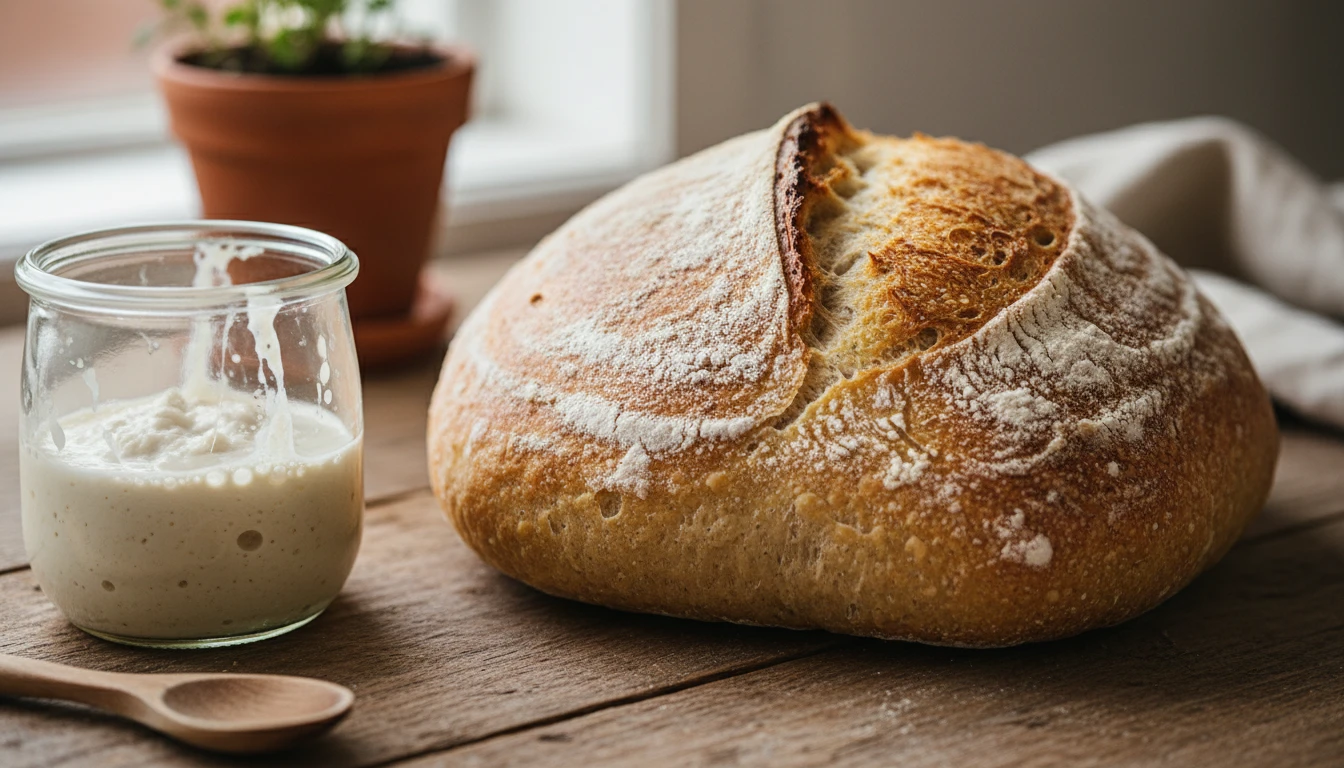
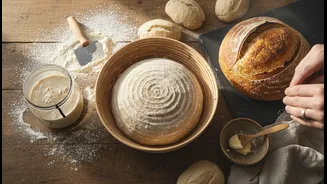
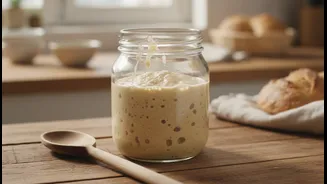
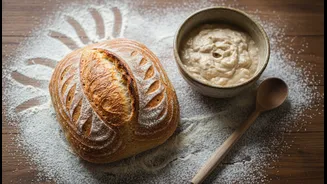
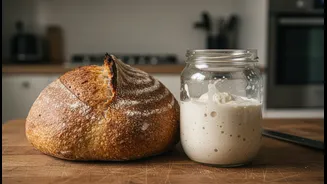
If you've ever nurtured a sourdough starter, you know the daily ritual of 'feeding' it with fresh flour and water to keep the culture of wild yeast and bacteria healthy and active. To prevent your starter from growing into a countertop monster and to maintain
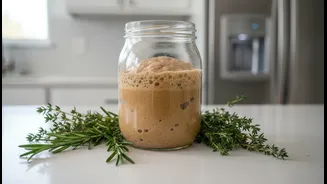
its vigour, you must first remove a portion. This removed portion is called 'sourdough discard'. For a long time, as the name suggests, many bakers simply threw it away. However, this 'discard' is not waste; it's a flavour-packed, tangy mixture of fermented flour and water. Though it lacks the leavening power of a freshly fed starter, it's a versatile ingredient ready for a second life.
From Pandemic Hobby to Green Habit
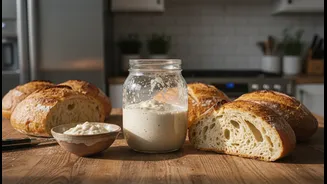
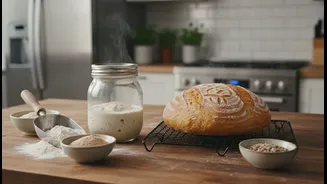
The sourdough baking boom that swept through homes during the COVID-19 lockdowns created a generation of avid home bakers. As kitchens filled with the scent of crusty loaves, a parallel trend began to emerge, driven by a growing consciousness around food waste. Bakers started to question the sustainability of throwing away a portion of their starter every day. This shift coincided with a broader movement, particularly among millennials, towards more sustainable and mindful consumption. The solution was simple yet revolutionary: instead of tossing the discard, they started baking with it, transforming a routine chore into an act of eco-conscious creativity.
A World of Creative Possibilities
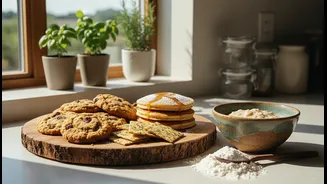
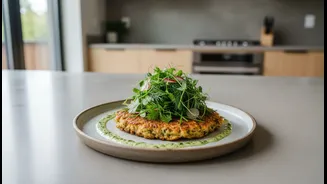
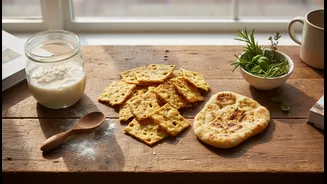
The beauty of sourdough discard lies in its versatility. It adds a complex, tangy flavour to a wide array of recipes that don't require the powerful rise of an active starter. Think fluffy pancakes, savoury crackers, and crispy waffles. Bakers are getting even more creative, using discard to make everything from fudgy brownies and soft pretzels to pizza bases and granola bars. This nose-to-tail approach to baking ensures that every bit of flour and water is put to good use, closing the loop in the kitchen and significantly reducing food waste. The result is not just a saved ingredient, but an elevation of everyday treats with a unique depth of flavour.
The Millennial Mindset
This trend is particularly resonant with urban millennials in India, a demographic that increasingly values sustainability, health, and authenticity. For a generation that is digitally savvy and influenced by global wellness trends, using sourdough discard is more than just frugal; it’s a lifestyle choice that aligns with their values. It's a tangible, Instagram-friendly way to demonstrate a commitment to reducing waste. Recent studies show that Indian millennials are more inclined than their global peers to make sustainable food choices, driven by a desire for a positive personal and environmental impact. This eco-baking trend fits perfectly into that narrative.
A Modern Twist on an Old Value
While the sourdough trend feels modern, the principle behind it is deeply rooted in Indian culture. The ethos of not wasting food and using every part of an ingredient has been a cornerstone of Indian kitchens for generations. Creative uses for leftovers and vegetable scraps are common practice in many households. The sourdough discard trend applies this traditional wisdom in a new, urban context. Home bakers are adapting discard into Indian recipes like cheelas, parathas, and even Mangalore buns, blending a global baking trend with local culinary heritage. It represents a full circle, where a modern hobby reinforces a timeless cultural value of resourcefulness.