



1. They Drink Responsibly
One of the biggest challenges for any Indian gardener is water management, from the scorching summer heat to the intense monsoon. Foreign, ornamental plants often require constant, specific watering schedules to survive. Local plants, on the other hand,
are evolutionary geniuses. They have spent thousands of years adapting to our unique climate patterns. Plants native to drier regions are naturally drought-tolerant, while those from coastal areas can handle humidity and salinity. This means you'll spend less time with the hose, reduce your water bill, and have plants that won't wilt in despair during a heatwave. They work with our seasons, not against them.
2. Natural Pest and Disease Resistance
Are you constantly battling mealybugs, aphids, and fungal diseases on your prized roses or exotic ferns? Many non-native plants have no natural defence against local pests and pathogens. Local plants, however, have co-evolved with our region's insects and microbes. They have developed their own chemical defences and resistances, making them far less susceptible to attack. Plants like Neem (Azadirachta indica) and Tulsi (Ocimum tenuiflorum) are not only hardy but are themselves famous for their pest-repelling properties. By planting local, you can significantly reduce your reliance on chemical pesticides, creating a healthier environment for your family and your garden.
3. You'll Attract the Best Guests
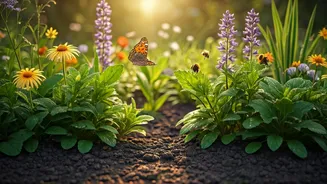
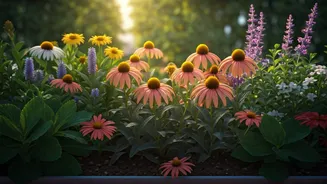
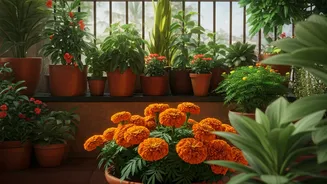
A garden full of local plants is a five-star hotel for local wildlife. Indian butterflies, bees, sunbirds, and other pollinators have specific relationships with native flora. The shape of a flower might be perfectly suited for a sunbird’s beak, or the leaves of a particular shrub could be the only food a certain butterfly caterpillar will eat. By planting species like Indian Jasmine (Mogra), Hibiscus (Gurhal), or Marigolds (Genda), you are rolling out a welcome mat for these beautiful creatures. Your garden transforms from a quiet, static display into a dynamic, living ecosystem buzzing with activity and colour.
4. Less Work, More Beauty
Ultimately, a garden should be a source of joy, not a constant chore. Because local plants are perfectly suited to your soil, sun, and water conditions, they require far less intervention. They don't need special soil mixes, imported fertilisers, or constant pruning to force them into a shape they don't want to be. They thrive with a certain 'masti' that imported varieties lack. This frees up your time to simply enjoy the space you’ve created. Their beauty is often more natural and harmonious, fitting seamlessly into the landscape and reflecting the true aesthetic of our country.
5. A Connection to Culture and Cuisine
Many of our local plants are deeply woven into the fabric of Indian culture and cuisine. Think of the Curry Leaf tree (Kadi Patta) in your backyard, providing fresh leaves for your daily tadka. Or a Tulsi plant, not just for its medicinal properties but for its sacred place in the household. Planting a frangipani (Champa) or a Parijat connects you to generations of tradition, poetry, and fragrance. These plants are more than just greenery; they are living heritage. They fill your garden with familiar scents, flavours, and stories, making it a space that is not only beautiful but also deeply personal and rooted in place.