





Ginger and Turmeric: The Warming Duo
As the rains cool the air, our bodies crave warmth. Ginger and turmeric are quintessential monsoon spices that provide just that. Traditionally used in Ayurveda to aid digestion and boost immunity, they are particularly beneficial during a season when
digestive fire (Agni) is considered weaker. A cup of adrak chai is a classic monsoon ritual for a reason. Turmeric, with its anti-inflammatory properties, can be added to milk (haldi doodh) or used generously in dals and vegetable curries to help ward off seasonal infections. These rhizomes are not just flavour enhancers; they are a core part of seasonal wellness in Indian households.
Bhutta (Corn): The Roadside Staple
The smoky aroma of roasted corn on the cob, or bhutta, is inseparable from the Indian monsoon experience. This seasonal delight is more than just a nostalgic snack; it's a healthy one too. Corn is a good source of fibre and essential nutrients. During the monsoon, it's typically roasted over coals and seasoned with lemon juice, salt, and chilli powder, creating a perfect blend of tangy, salty, and spicy flavours. Enjoying a hot bhutta while watching the rain is a simple pleasure that defines the season for many across the country. It's a healthier alternative to deep-fried snacks, offering comfort without heaviness.
Seasonal Gourds: Light and Healthy
The monsoon brings an abundance of gourds like bottle gourd (lauki), ridge gourd (turai), and bitter gourd (karela). According to Ayurvedic wisdom, these vegetables are ideal for the rainy season because they are light and easy to digest, which is crucial when the digestive system is sluggish. Lauki, known for its high water content, helps keep you hydrated, while karela, despite its bitter taste, is prized for its ability to boost immunity and manage blood sugar levels. Incorporating these vegetables into simple, home-cooked meals like soups, stews, or light curries aligns perfectly with the seasonal need for nourishing, uncomplicated food.
Jamun (Indian Blackberry): The Seasonal Fruit
The deep purple Jamun, or Indian blackberry, is a fruit that makes a brief but memorable appearance during the monsoon. Its unique sweet, sour, and astringent taste is a seasonal highlight. Beyond its flavour, jamun is packed with nutrients, including Vitamin C and iron. It is traditionally known to be excellent for digestive issues, which can be more common during this season. It also plays a role in managing blood sugar levels. Enjoying a handful of fresh jamuns with a sprinkle of black salt is a classic way to savour this monsoon-specific fruit.
Colocasia Leaves (Arbi ke Patte)
Known as Patra in Gujarat, Alu Vadi in Maharashtra, and Pathrode in Karnataka, dishes made from colocasia leaves are a monsoon specialty. These large, heart-shaped leaves are rich in nutrients but need to be cooked properly. Typically, they are layered with a spiced gram flour batter, rolled, steamed, and then either tempered or fried. This traditional method of preparation turns a seasonal green into a delicious and nourishing snack or meal. It’s a prime example of how regional cuisines have evolved to make the best use of local, seasonal produce.
Moong Dal: The Digestive Powerhouse
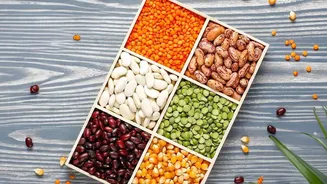
Moong dal is one of the most recommended lentils during the monsoon because it is incredibly light and easy to digest. It’s the star ingredient in Khichdi, India's ultimate comfort food, which is often prepared during the rains. A simple moong dal khichdi, tempered with ghee, cumin, and ginger, provides balanced nutrition and soothes the digestive system. Moong dal can also be used to make soups or cheelas (savoury crepes), offering a versatile and healthy protein source that is gentle on the stomach during a season prone to indigestion.