








The Great Visa Divide
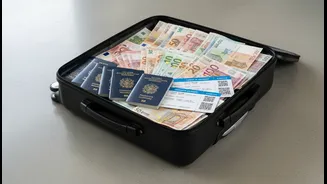
Perhaps the biggest driver of this trend is the stark difference in visa policies. Securing a Schengen or US visa has become a significant hurdle for many Indians, involving extensive paperwork, long waiting times, and a tangible risk of rejection. In 2024,
the Schengen visa rejection rate for Indian applicants was approximately 15%, meaning more than one in seven applications failed. Common reasons for refusal range from insufficient financial proof and questions about the applicant's intent to return to India, to minor errors in travel insurance documents. In contrast, many popular Asian countries have rolled out the welcome mat. Nations like Thailand, Malaysia, Indonesia, and Sri Lanka offer visa-free entry or straightforward visa-on-arrival processes for Indian passport holders. This ease of access eliminates a major source of pre-trip anxiety and financial risk, making spontaneous or short-notice travel a viable option.
Your Rupee Goes Further
The economic advantage of choosing Asia is undeniable. A European holiday can be significantly more expensive, with daily costs for accommodation, food, and transport often two to three times higher than in Southeast Asia. A trip to Europe can cost between ₹2,00,000 and ₹3,50,000 per person, while a similar-length holiday in Southeast Asia can be managed within ₹70,000 to ₹1,20,000. This difference is felt across the board, from flights, which are shorter and more competitively priced, to activities and dining. Street food in Thailand or Vietnam offers delicious meals for a fraction of the cost of a sit-down dinner in Paris or Rome. This value proposition allows Indian travellers to enjoy longer stays, more luxurious accommodation, or a wider range of experiences without breaking the bank.
Convenience and Comfort
Beyond cost and visas, proximity plays a crucial role. Shorter flight times to destinations like Bangkok, Singapore, or Kuala Lumpur—typically four to six hours from major Indian cities—mean less travel fatigue and more vacation time. This is a significant advantage, especially for families with young children or those planning shorter trips. Moreover, there's a level of cultural familiarity and comfort. Finding vegetarian or Indian food is often easier, and many Asian countries have significant Indian-origin populations, creating a more welcoming environment. Countries like Malaysia, Singapore, and Mauritius have deep-rooted Indian communities, making them feel like a home away from home.
A World of Experiences Nearby
The notion that Asia offers a monolithic experience is long outdated. The region provides an incredible diversity of holiday options that cater to every type of traveller. Popular choices range from the bustling cities and vibrant street life of Bangkok to the serene beaches of Bali and the Philippines. Vietnam has emerged as a breakout star, attracting visitors with its stunning landscapes and affordable luxury. According to recent travel data, Indian tourists are flocking to experience-led attractions like theme parks and island tours across Southeast Asia. Universal Studios in Singapore, coral island tours in Pattaya, and the natural beauty of Phu Quoc in Vietnam are among the most booked activities, showing a clear preference for immersive and entertaining holidays.