






The Science of 'Meal Sequencing'
The idea of starting your dinner with a raw salad isn't just a tradition; it's a scientifically supported strategy known as 'meal sequencing' or the 'vegetables first' method. The concept is simple: eat the different components of your meal in a specific
order to better control how your body processes them. For optimal blood sugar management, the recommended order is fibre-rich vegetables first, followed by protein and fats, and finally, carbohydrates. This approach doesn't require you to eliminate any food groups, but rather to strategically time them to your advantage.
Taming the Blood Sugar Rollercoaster
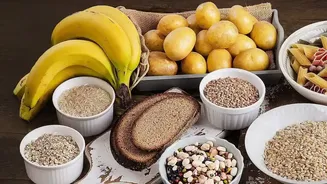
When you eat carbohydrates, your body breaks them down into glucose (sugar), which enters your bloodstream. Eating carbs first or alone, especially refined ones like white rice or bread, can cause a rapid spike in blood sugar. Your body then releases insulin to manage this surge, which can often lead to a subsequent crash. This up-and-down cycle is what can cause feelings of lethargy, irritability, and more cravings. Starting with a raw salad changes this dynamic entirely. The fibre in the vegetables acts like a sponge, slowing down digestion. Specifically, soluble fibre forms a gel-like substance in your stomach, which delays the absorption of glucose from the rest of your meal. This leads to a much gentler, more gradual rise in blood sugar, preventing the dramatic spikes and crashes that lead to late-night energy fluctuations and cravings.
Fighting Cravings with Fibre and Fullness
The benefits of a starter salad extend beyond blood sugar control. Raw vegetables are high in both fibre and water, making them very filling. By starting your meal with a voluminous, low-calorie salad, you begin to feel full sooner. This sense of satiety can prevent you from overeating during your main course. Furthermore, stable blood sugar is directly linked to appetite control. The sharp glucose dips that follow a carb-heavy meal are a primary trigger for subsequent hunger and cravings. By blunting that initial glucose spike with a salad, you are less likely to experience a 'crash' that sends you to the pantry for a midnight snack. This helps break the cycle of overeating and craving.
Building the Perfect Starter Salad
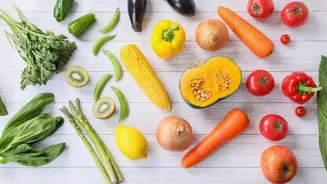
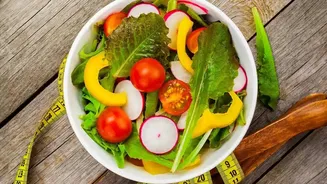
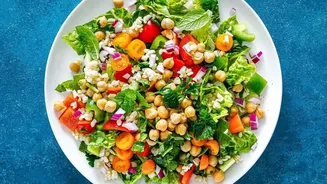
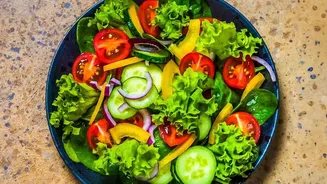
Not all salads are created equal. To get the maximum benefit, your starter salad should be focused on fibre and nutrients. Build your base with non-starchy, leafy greens like spinach, lettuce, or kale. Add other raw vegetables like cucumbers, bell peppers, and tomatoes for more fibre and vitamins. The dressing is just as important. Avoid creamy, sugary store-bought dressings that can counteract your efforts. Instead, opt for a simple vinaigrette made with olive oil and vinegar. Acetic acid, the main component of vinegar, has been shown in some studies to further help with blood sugar control by improving insulin sensitivity and slowing digestion. Adding a source of protein or healthy fat, like a sprinkle of nuts or seeds, can also enhance satiety.
Making the 'Vegetable First' Habit Stick
Incorporating this practice into your routine doesn't have to be complicated. You can prepare a large batch of washed and chopped salad greens at the beginning of the week for easy access. Keep a simple, homemade vinaigrette in the fridge. The goal is to make the healthy choice the easy choice. Even when eating out, it's often possible to order a simple side salad to have before your main dish arrives. The key is consistency. By making this small change a regular habit, you are setting the stage for better energy levels, fewer cravings, and improved metabolic health in the long run.