





The Invisible Invasion
You may have sealed your home against the cold, but outdoor pollutants are persistent intruders. Fine particulate matter, or PM2.5, is microscopic—more than 100 times thinner than a human hair—and can easily sneak through tiny cracks around windows, doors,
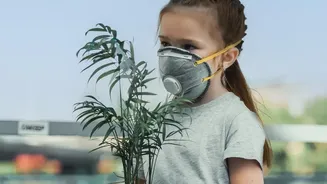
and any structural gaps. These particles, common in the winter smog that blankets northern Indian cities, can also hitch a ride indoors on our clothes, shoes, and even pets. Once inside, they can travel deep into our respiratory system, reaching the lungs and even entering the bloodstream, which is why they are a significant health concern.
The Pollutants We Create Ourselves
It's not just the outside air. Our homes are also sources of pollution that get trapped inside during winter due to a lack of ventilation. Cooking, especially frying or tadka, releases smoke and oils into the air. Burning incense (agarbatti), diyas, and candles also adds to the particulate load. Furthermore, many household items like furniture, new carpets, paints, and cleaning products release chemicals called Volatile Organic Compounds (VOCs) that can cause headaches, nausea, and irritate our eyes and throat. When windows stay shut for days, these pollutants accumulate to unhealthy levels.
Seal the Gaps
Your first line of defence is to fortify your home. Conduct a thorough check of all windows and doors. Feel for drafts that indicate a poor seal. Applying weatherstripping tape around window frames and door seals at the bottom of doors can significantly reduce the amount of polluted air seeping in. Pay attention to exhaust fan outlets and any openings for pipes or wires. Sealing these gaps is a low-cost, high-impact step to control the infiltration of outdoor smog and create a more protected indoor environment.
Invest in an Air Purifier
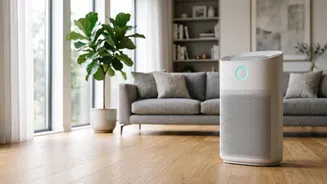
For dealing with the fine PM2.5 particles that inevitably get in, an air purifier is the single most effective tool. Look for a model equipped with a High-Efficiency Particulate Air (HEPA) filter. HEPA filters are designed to capture particles larger than 0.3 microns, making them highly effective at removing PM2.5, dust, pet dander, and pollen from the air. Studies have shown that using a HEPA purifier can reduce indoor PM2.5 concentrations by over 50%. Choose a purifier with a Clean Air Delivery Rate (CADR) that matches your room size for optimal performance. Placing one in the bedroom can significantly improve air quality while you sleep.
Ventilate, But Wisely
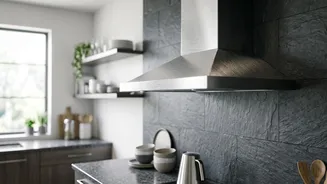
While sealing your home is important, some ventilation is necessary to flush out indoor pollutants. The key is timing. Keep an eye on the local Air Quality Index (AQI). Air quality is often slightly better in the early afternoon when the sun is out. If the AQI drops to a moderate or better level, open windows on opposite sides of the house for 15-30 minutes to create a cross-breeze and let stale, contaminated air out. Additionally, always use your kitchen chimney or exhaust fan when cooking and the bathroom fan after a shower to expel moisture and pollutants directly outside.
Clean Smarter
Your cleaning routine can make a big difference. Instead of dry dusting, which can just stir particles back into the air, use a damp cloth to wipe surfaces. When you vacuum, use a machine with a HEPA filter to ensure it’s trapping fine dust rather than recirculating it. Mopping floors with water also helps capture settled dust. Consider switching to low-VOC or natural cleaning products to reduce chemical emissions inside your home. These small adjustments help manage the dust and allergens that accumulate faster when the house is sealed.
Bring Nature Indoors
While not a replacement for purifiers, certain houseplants can help improve indoor air quality. Plants like the Snake Plant, Spider Plant, Areca Palm, and Peace Lily are known for their ability to filter common indoor toxins like formaldehyde and benzene from the air. They also add a touch of nature to your home, which can be a welcome sight during the grey winter months. A few well-placed plants can complement your other air-purifying efforts and contribute to a healthier living space.