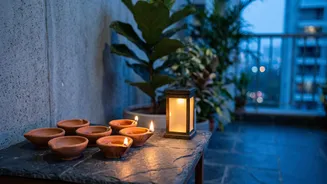







A Return to Earthen Roots
The humble clay diya, a cornerstone of Indian festivals for centuries, is experiencing a major revival. For a generation increasingly concerned with sustainability, the choice is both symbolic and practical. Unlike mass-produced plastic or gel lamps,
earthen diyas are completely biodegradable, returning to the soil without a trace. This choice represents a conscious rejection of the single-use culture that contributes to the mountains of non-biodegradable waste generated during festivals. Furthermore, purchasing clay diyas directly supports local potters and artisans, keeping traditional crafts alive and ensuring that festive spending benefits communities directly. This connection to heritage and local economy resonates deeply with young people who value authenticity and purpose-driven consumption. The warm, natural glow of a diya also offers a serene and traditional aesthetic that many feel has been lost in the glare of synthetic lighting.
The Smart Glow of Solar Technology
On the other end of the spectrum is the enthusiastic adoption of solar-powered string lights. This choice reflects a modern approach to the same sustainable goal. While dazzling light displays are a beloved part of festive decor, the associated electricity consumption and carbon footprint are significant concerns. Solar string lights offer a brilliant solution, harnessing renewable energy to create the same magical effect without straining the power grid or running up electricity bills. These lights, often featuring LED bulbs, are a one-time investment that can be reused for years. Available in various designs, from traditional warm white to festive multicolour options, they cater to diverse aesthetic tastes while being practical and energy-efficient. For the tech-savvy youth, choosing solar is a logical step, aligning their celebrations with the clean energy principles they advocate for in other areas of their lives.
A Shared Philosophy of Mindfulness
The pairing of clay diyas and solar lights may seem like a contradiction—one ancient, the other modern. However, they are two sides of the same coin, united by a philosophy of mindful celebration. Both choices are a deliberate move away from the environmental cost of festivities, which often includes immense air, light, and plastic pollution. For eco-conscious youth, a festival's spirit of light over darkness and good over evil should not come at the expense of the planet. Research shows that younger generations like Gen Z are increasingly making consumption choices that align with their personal values, and sustainability is a top priority. They are more likely to seek out eco-friendly practices and support local vendors, turning their festive decor into a statement of what they stand for: a celebration that is both beautiful and responsible.
The Influence of a Digital Generation
This trend is amplified and accelerated by social media. Platforms like Instagram and Pinterest are flooded with images of beautifully styled, sustainable festive decor. Influencers and creators showcase how to artfully combine traditional elements like diyas and flower garlands with modern innovations like solar lights. This digital validation makes sustainable choices not just responsible, but also aspirational and trendy. It provides a visual guide for how to celebrate in style without compromising on environmental ethics. This online conversation, driven by a generation that researches and shares its findings, is instrumental in shifting mainstream preferences. It creates a community around green celebrations, encouraging more people to adopt practices that are kinder to the earth, proving that tradition and progress can coexist beautifully.