




A Historic Airstrip's New Beginning
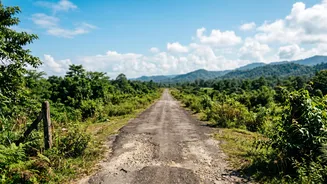
At the heart of Rupsi's newfound fame is its airport, a relic with a rich past. Originally built by the British during World War II, the Rupsi airfield was a critical node for supplying Allied forces in the China-Burma-India theatre. After decades of disuse
following the 1980s, the airport was revived under the government's UDAN scheme, with commercial flights resuming in 2021. This reopening has been a game-changer, unlocking the tourism potential of a region that was previously difficult to access. The government has also announced plans for a phased expansion to further boost its capacity, hinting at a future as a key aviation hub for Lower Assam.
Gateway to Western Assam's Treasures
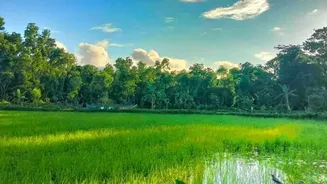
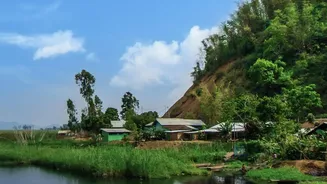
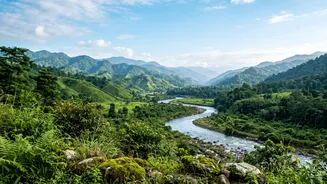
Rupsi is more than just an airport; it's the perfect launchpad for exploring the cultural and natural wonders of western Assam and the Bodoland Territorial Region. Located near the borders of Dhubri and Kokrajhar districts, it provides easy access to a tapestry of experiences that have long remained off the beaten path. From royal heritage sites and ancient craft villages to serene wildlife sanctuaries, the area offers a glimpse into a side of Assam that many travellers have yet to discover. The renewed connectivity means these unique destinations are now just a short flight and a road trip away.
Wildlife, Spirituality, and Royal History
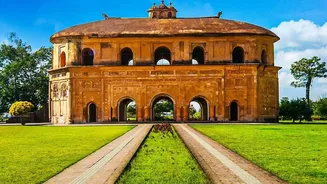
The region surrounding Rupsi is dotted with attractions. A must-visit is the Chakrasila Wildlife Sanctuary, the second protected habitat for the endangered Golden Langur in India. This sanctuary is a haven for nature lovers and was established thanks to the efforts of local environmental groups. For a spiritual journey, the Mahamaya Dham, a revered Shakti Peeth dating back at least 400 years, offers a profound cultural experience. In the historic town of Dhubri, on the banks of the Brahmaputra, stands the magnificent Gurudwara Sri Guru Tegh Bahadur Sahib Ji, built to commemorate the 17th-century visit of the ninth Sikh Guru. History buffs can also explore the crumbling royal palace of the Gauripur zamindari, which tells tales of a bygone era.
A Melting Pot of Cultures
Western Assam has long been a crossroads for diverse cultures, a fact reflected in its unique social fabric. The district of Dhubri is known for its distinctive 'Desi Bhasha' or Goalpariya dialect and a rich tradition of indigenous folk music. This cultural confluence is a result of centuries of assimilation between various ethnic groups, traders, and settlers who arrived through this 'gateway of Assam'. Exploring the region offers travellers an opportunity to engage with this living heritage, from the terracotta craft village of Asharikandi to the vibrant local markets and festivals that define life along the Brahmaputra.
Planning Your Visit to Rupsi
The best time to explore Rupsi and the surrounding areas is during the winter months, from October to March. The weather during this period is pleasant and dry, making it ideal for sightseeing, wildlife safaris, and river cruises. Summers (April to June) can be hot and humid, while the monsoon season (July to September) often brings heavy rainfall and potential flooding, which can disrupt travel plans. Rupsi Airport is connected by flight to Guwahati and Kolkata. From the airport, taxis and local transport are available to reach Dhubri, Kokrajhar, and other nearby attractions. A well-planned itinerary of two to three days can cover the major highlights, offering a rewarding and unique travel experience.