





A New Era of Travel Turbulence
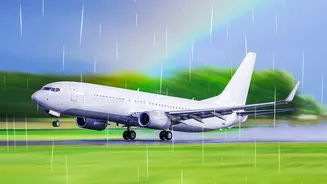
Not long ago, the biggest travel uncertainties were booking a good hotel and avoiding tourist traps. Today, travellers face a more complex set of challenges. The post-pandemic travel boom has strained the global aviation industry, leading to staff shortages
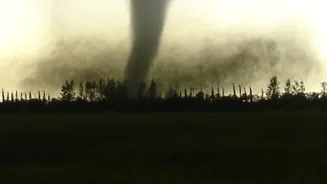
and an uptick in flight delays and cancellations. Airlines that drastically scaled down operations are still struggling to meet the renewed, voracious demand for travel. At the same time, climate change is making weather patterns increasingly unpredictable. Popular destinations are experiencing unseasonal heatwaves, floods, and storms, turning what was once considered a safe travel window into a gamble. This combination of operational stress and environmental volatility means that the chances of your perfectly laid plans going awry are higher than ever.
Redefining 'Flexible Travel'
Flexibility in travel used to simply mean buying a changeable flight ticket. Now, it's a comprehensive mindset. It means moving away from a minute-by-minute schedule and embracing a more adaptable plan. A key strategy is building 'buffer days' into your trip. Instead of landing and immediately starting a packed tour, give yourself a day to settle in. This cushions you against travel delays and allows you to adjust to the local environment without pressure. It also means being flexible with your destination choice. Rather than being fixated on one specific location during its busiest, most expensive, and potentially most volatile peak season, consider alternatives that offer similar experiences with fewer risks.
The Strategic Power of the Shoulder Season
One of the most effective ways to build flexibility into your travel is by aiming for the 'shoulder season'. This is the period just before or after a destination's peak season. Think of Europe in September and October, or many national parks in the early fall. The benefits are significant. You’ll find fewer crowds, which means less time in queues and more authentic interactions. Prices for flights and hotels can be substantially lower, allowing your budget to stretch further. Crucially, the weather is often more pleasant and stable than during the extreme heat of summer, which is becoming more intense in many regions. Travelling in the shoulder season is no longer just a budget hack; it's a strategic move to ensure a more relaxed and predictable holiday.
Your Toolkit for Adaptability
Embracing flexibility is easier with the right tools. When booking, actively look for options that allow changes or cancellations without heavy penalties. For ultimate peace of mind, consider investing in 'Cancel For Any Reason' (CFAR) travel insurance. This add-on lets you cancel your trip for any reason not covered by standard policies and get a significant portion of your non-refundable costs back, usually between 50-75%. It provides a safety net for everything from work conflicts to simply changing your mind. Additionally, pack for multiple scenarios. Lightweight layers, a waterproof jacket, and comfortable shoes can prepare you for a sudden downpour or an unexpected change in temperature. Finally, having a backup plan for key activities can turn a potential disaster into a minor detour. If the weather ruins your beach day, knowing about a great local museum or indoor market keeps the adventure going.