


For millions of people, contact lenses offer freedom from glasses. But that convenience comes with a critical rule: lenses and water do not mix. From pools to showers, exposure can pose a serious risk to your eye health.
The Hidden Dangers in Water
It might seem harmless, but exposing
your contact lenses to any type of water is strongly advised against by eye care professionals. This includes swimming pools, oceans, lakes, hot tubs, and even the tap water from your shower. The reason is simple: water is not sterile. It contains countless microorganisms, including bacteria, fungi, and other pathogens. Because contact lenses are porous, they can absorb these tiny organisms and trap them against the surface of your eye, creating a perfect breeding ground for infection. Water can also cause soft lenses to swell or change shape, leading to discomfort and potential scratches on your cornea, which further increases the risk of infection.
Acanthamoeba Keratitis: A Risk You Can't Ignore
Among the pathogens lurking in water, one of the most serious is a microscopic amoeba called Acanthamoeba. This organism is commonly found in all water sources, including chlorinated pools, lakes, and tap water. While infection is rare, it is most common in contact lens wearers. When Acanthamoeba gets trapped behind a lens, it can cause Acanthamoeba keratitis, a severe and painful infection of the cornea. This condition is notoriously difficult to treat, can cause permanent vision loss, and in extreme cases, may even require a corneal transplant. Symptoms to watch for after any water exposure include eye pain, redness, blurred vision, excessive tearing, and sensitivity to light.
The Simple Solution: Well-Fitted Goggles
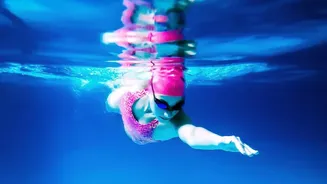
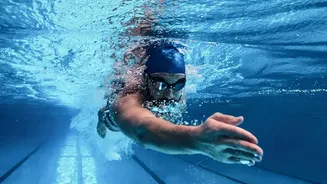
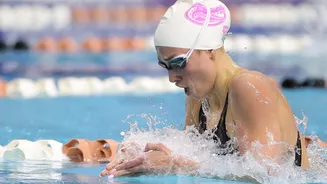
So, how can you see clearly and stay safe while swimming? The answer is a pair of high-quality, well-fitted swimming goggles. Goggles create a protective seal around your eyes, providing a physical barrier that keeps contaminated water away from your lenses. While experts at the CDC note that goggles reduce but do not entirely eliminate risk because they can leak, it is by far the safest way to swim if you must wear contacts. For frequent swimmers, prescription swimming goggles are an even better alternative, as they remove the need for contact lenses in the water altogether.
Choosing and Using Goggles Correctly
The effectiveness of goggles comes down to their fit. Look for a pair with a strong, comfortable seal, often made of silicone, and adjustable straps. A good way to test the fit before buying is to press the goggles to your eyes without using the strap; if they stay in place for a few seconds from suction alone, you have a good seal. When putting them on, place the goggles over your eyes first and then pull the strap over your head to avoid dislodging your lenses. If any water does leak in, you should remove your contact lenses as soon as possible after your swim.
Best Practices for Lens-Wearing Swimmers
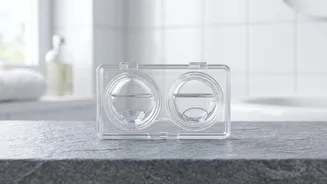
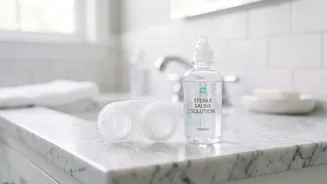
If you choose to swim with contact lenses and goggles, following a few key practices can further minimise your risk. Opt for daily disposable lenses; you can simply throw them away immediately after swimming, reducing the chance of contaminants lingering. After your swim, wash and dry your hands thoroughly before handling your lenses. Remove the lenses immediately and discard them. It can also be beneficial to use rewetting or lubricating eye drops before and after your swim to help with dryness caused by chlorine or salt water, but remember that drops do not prevent infection. Never use tap water to rinse or store your lenses—only use fresh, sterile contact lens solution.