




The 2026 Footwear Shift: Style Meets Practicality
For years, monsoon footwear in India was a purely functional affair, dominated by clunky rubber boots and basic flip-flops. The primary goal was simply to survive the waterlogged streets. However, 2026 marks a clear evolution in consumer expectations.
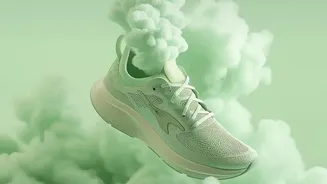
People want shoes that can handle a sudden downpour during their office commute, look presentable for a meeting, and feel comfortable enough for all-day wear. This shift is driven by a demand for versatility. Consumers are moving away from single-purpose rain boots towards all-rounder footwear that integrates waterproof technology with modern style. The market is responding with a surge in options, from water-resistant sneakers and stylish loafers to chic, ankle-length boots that pair as well with trousers as they do with casual wear.
Material World: Beyond Simple Rubber
The single most important factor in monsoon footwear is the material. Traditional choices like leather and canvas are poor performers, as they absorb water, become heavy, and can take days to dry, leading to odours and fungal growth. The best materials are inherently waterproof or quick-drying. EVA (Ethylene Vinyl Acetate) has become a popular choice for its incredibly lightweight and comfortable properties. It's the foam-like material used in many popular clogs and slides, offering excellent cushioning and drying almost instantly. Natural rubber remains a top contender, especially for soles, because it offers superior durability and tear resistance. While heavier than EVA, its resilience makes it ideal for rugged use. Many modern designs now use a hybrid approach: a durable rubber outsole for grip combined with a comfortable EVA midsole for cushioning.
The Unseen Hero: Understanding Grip
Comfort is pointless if you're slipping on wet tiles. Grip is a non-negotiable safety feature, and not all soles are created equal. The key lies in both the material and the tread pattern. Rubber soles are widely considered the best for wet conditions because they provide excellent traction. Look for footwear with deep, multi-directional lugs or grooves in the outsole. These channels are designed to push water away from the point of contact, allowing the sole to grip the surface more effectively. A smooth, flat sole, even if made of rubber, can easily lead to hydroplaning on slick surfaces like marble floors or painted road markings. Trail-walking shoes and water-resistant sneakers often have the most advanced sole technology, designed for reliable footing on unpredictable terrain, making them a surprisingly practical choice for city commutes.
Defining All-Day Comfort
The concept of "everyday rainwear" hinges on comfort. A shoe that feels fine for a quick errand can become unbearable during a long commute. For the 2026 season, comfort means more than just a soft footbed. Breathability is crucial. In India's humid monsoon weather, feet can sweat even when it's not raining. Closed, non-breathable shoes can create a swampy environment, increasing the risk of skin issues. This is why open designs like sandals or shoes with ventilated uppers are often recommended. Weight also plays a significant role. Heavy, water-soaked shoes lead to fatigue. Lightweight materials like EVA keep you feeling agile and reduce strain on your legs throughout the day. Finally, proper cushioning in the midsole is essential to absorb the impact of walking on hard, urban surfaces, ensuring your feet feel supported from morning to night.
Choosing Your Monsoon Companion
The perfect monsoon shoe depends entirely on your daily routine. If your commute involves wading through unpredictable puddles, a pair of quick-drying sandals with a robust, grippy rubber sole might be best. For office-goers seeking a more polished look, waterproof loafers or treated leather-look shoes offer a smart alternative that doesn't scream "rainwear." Those with an active lifestyle or long walking commutes should consider water-resistant sneakers that provide both ankle support and superior traction. The trend towards ankle-high boots also offers a stylish compromise, protecting you from splashes without the bulk of traditional knee-highs. The key is to assess your primary needs—are you prioritizing quick-drying capabilities, professional style, or all-day walking support?