






Why Bir Billing?
Once known primarily as a paragliding haven, Bir Billing has quietly blossomed into a preferred destination for digital nomads and remote workers. The appeal is simple: it offers the perfect blend of adventure and tranquility. Unlike many commercialised
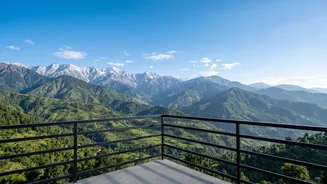
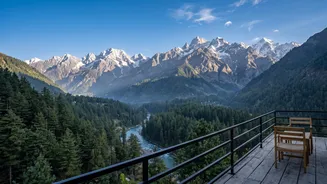
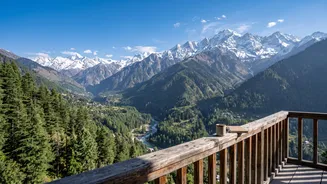
hill stations, Bir has retained its calm, authentic personality with quiet cafés, serene walking paths, and a slower pace of life. This environment allows for focused work during the day, while evenings and weekends are free for paragliding, exploring Tibetan monasteries, or simply enjoying a sunset over the Dhauladhar mountain range. The town's infrastructure has grown to support this trend, with a reliable ecosystem of stays and eateries catering specifically to the needs of working travellers.
The Non-Negotiables: What to Look For
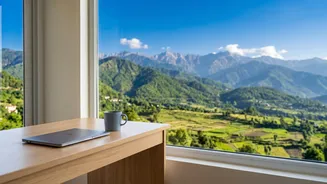
For a tech professional, a workation is only as good as its infrastructure. The primary requirement is stable, high-speed internet. Many hostels now offer fibre optic connections, but it's crucial to also check for power backup. Power cuts can be common in the mountains, so a combination of a generator and a UPS for the router is a must to avoid interrupting a crucial meeting. Beyond the basics, look for dedicated workspaces or common areas that are quiet during work hours. Ergonomic seating can make a huge difference during long workdays. Finally, a strong sense of community is what elevates a good stay to a great one. Hostels that foster interaction through events, communal dinners, or shared spaces provide valuable networking and social opportunities.
Your Search Toolkit: Where to Find Your Stay
Finding the perfect co-working hostel involves a multi-pronged approach. Start with large booking platforms like MakeMyTrip, Goibibo, and Airbnb, using filters for "workation," "free Wi-Fi," and long-term stays. These sites provide a broad overview of options, from chains like Zostel and The Hosteller to boutique properties. However, don't stop there. Many hostels offer better rates and long-stay packages when booked directly through their own websites or even via WhatsApp. Social media is another powerful tool; search for Facebook groups and Instagram pages dedicated to workations in Himachal. Here, you'll find candid reviews and real-time feedback on Wi-Fi speeds and hostel vibes from fellow remote workers. Reddit threads can also offer unfiltered suggestions and experiences.
A Glimpse into Bir’s Co-Working Scene
Bir is home to a growing number of hostels designed for remote work. Well-known brands like Zostel Plus Bir are often praised for their stunning views and large common areas, though their location can be a bit of a walk from the main town. Others, such as Flashpackers Bir, specifically market their robust workation infrastructure, including redundant Wi-Fi lines and full power backup, ensuring productivity even during monsoon season. Boutique options like SOWA Stays focus on a balance between a community feel and hotel-like comfort, attracting freelancers and creators. Hipostel is noted for its cosy, homely vibe and central location, making it easy to balance work with exploration. Meanwhile, places like Bir Nest and Barefoot Bir are dedicated co-living and co-working spaces, offering amenities like ergonomic desks and home-cooked meals for long-stay guests.
Final Steps Before You Go
Before confirming your booking, do some final checks. Read recent reviews on multiple platforms, paying close attention to comments about internet reliability and the work environment. If possible, contact the hostel directly to ask specific questions about their power backup system and whether their Wi-Fi is supported by an inverter. For longer stays, inquire about weekly or monthly discounts, which are often substantial. Pack essentials like a universal extension cord, noise-cancelling headphones, and any specific gear you need for comfort. By planning ahead, you ensure your workation in the mountains is as productive and stress-free as you imagined.