


The Nutritional Power of Ragi
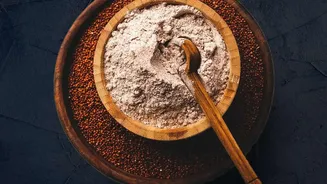
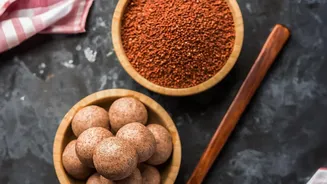
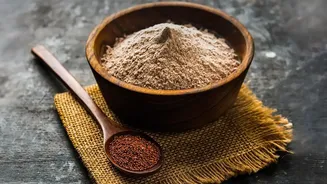
Ragi, also known as finger millet, has been a staple in Indian households for thousands of years, and for good reason. This humble grain is a nutritional powerhouse, making it an ideal way to start your day. It is one of the best non-dairy sources of calcium,
crucial for strong bones and teeth. Ragi is also rich in dietary fibre, which aids digestion, promotes a feeling of fullness, and can help with weight management. For families managing dietary needs, ragi is naturally gluten-free. Furthermore, its high iron content can help combat fatigue and boost energy levels, while its low glycaemic index ensures a slow release of energy, preventing mid-morning slumps.
An Easy, Family-Friendly Recipe
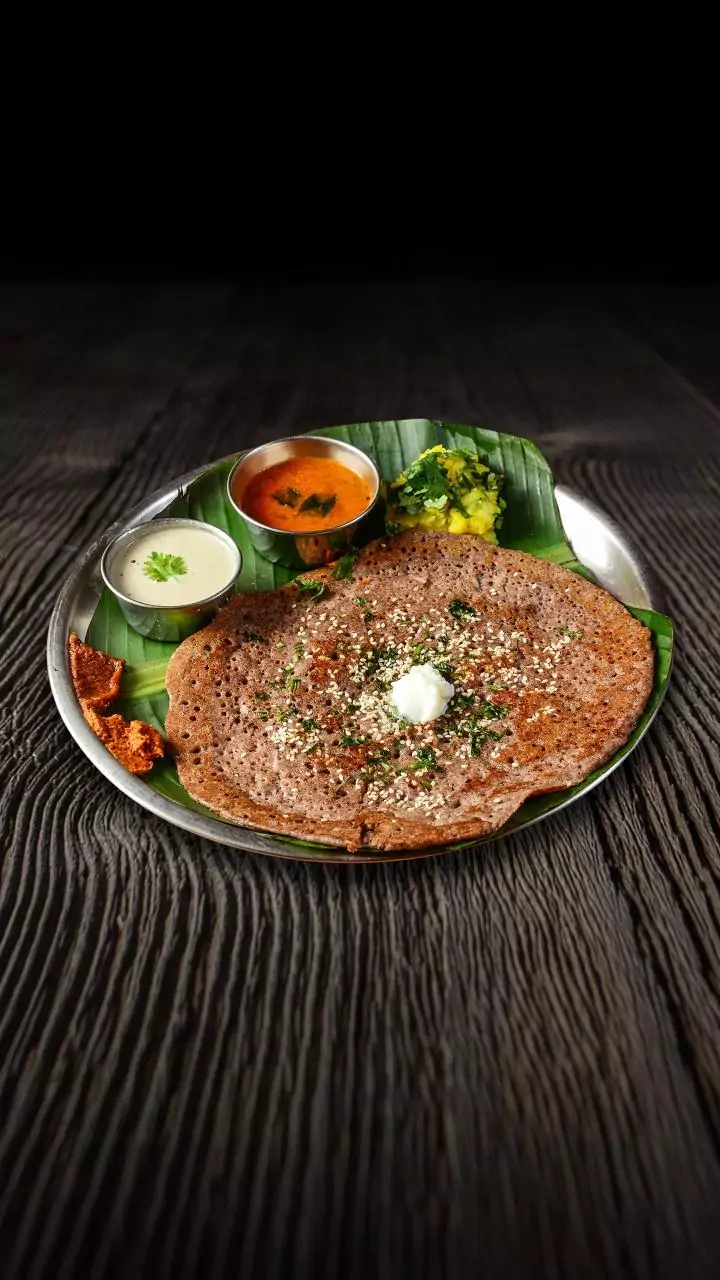
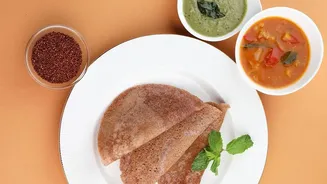
Making these savoury crepes, often called ragi dosa, is simpler than you might think. This instant version requires no lengthy fermentation. To begin, combine one cup of ragi flour, half a cup of rice flour, and a quarter cup of fine semolina (rava) in a large bowl. To this dry mix, add finely chopped onion, grated ginger, minced green chilli, and fresh coriander leaves for flavour. Pour in about three to four cups of water gradually, whisking continuously to create a smooth, thin, lump-free batter. The consistency should be quite runny, similar to buttermilk. Let this batter rest for about 15 to 30 minutes to allow the flours to hydrate. This short rest is key to achieving a good texture.
Cooking for Crispy Perfection
The secret to a crispy ragi crepe is a very hot pan. Heat a non-stick tawa or griddle on a medium-high flame. Once hot, lightly grease the surface with oil. Because the batter is thin and the flours will settle, you must stir it well before making each crepe. Pour a ladleful of the batter onto the hot pan, starting from the edges and moving toward the center to create a lacy pattern. Don't try to spread it like a traditional dosa. Drizzle a little oil or ghee around the edges and on top. Cook for about two to three minutes on one side, until the bottom is golden brown and crisp. These crepes are often so thin they don't need to be flipped, but you can cook the other side for a minute if you prefer.
Tips and Delicious Variations
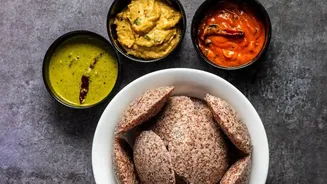
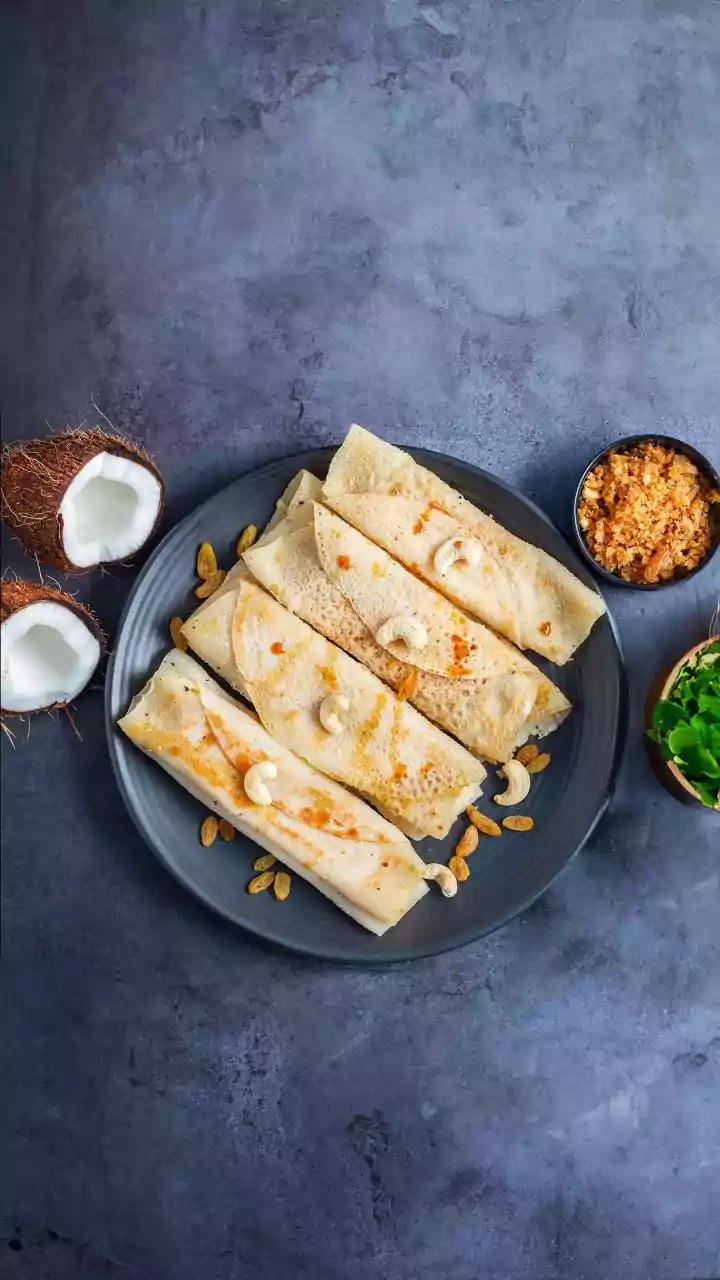
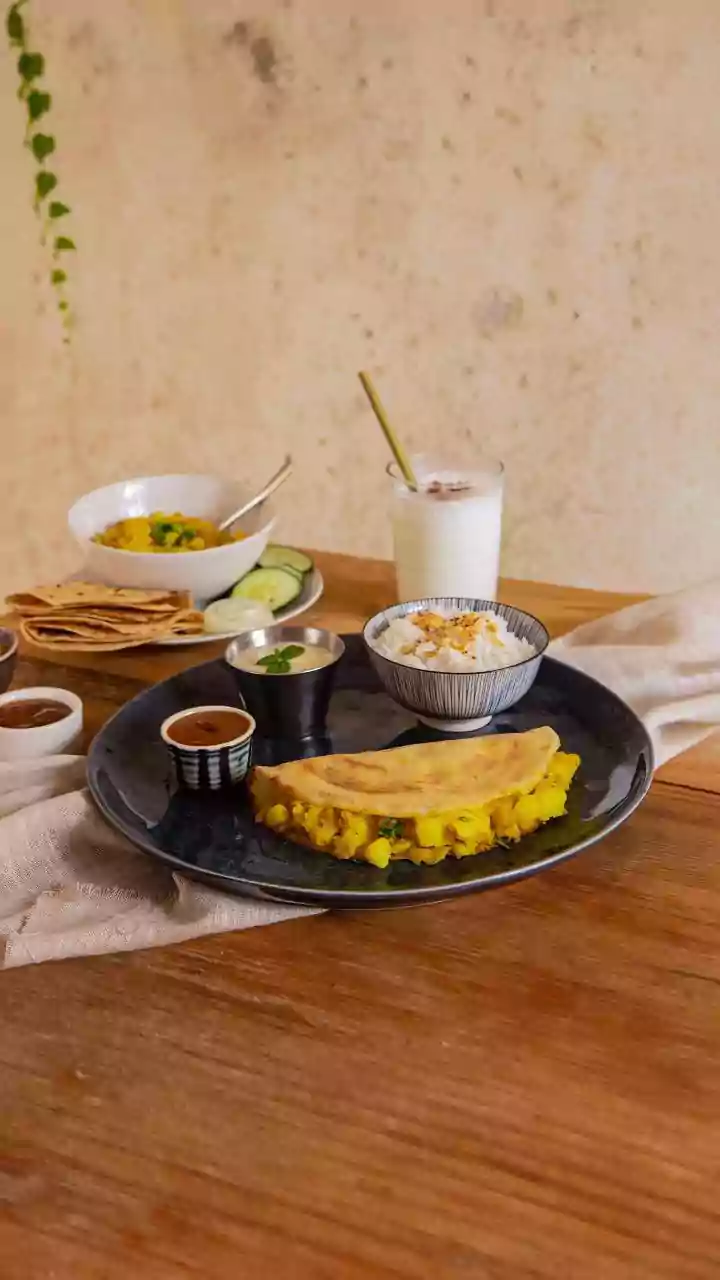
To make these crepes a hit with children, you can easily adjust the spice. Simply replace the green chillies with a pinch of black pepper. You can also make the crepes more nutritious by adding finely grated vegetables like carrots, zucchini, or beetroot directly into the batter. For fillings, the options are endless. A simple filling of spiced mashed potatoes, similar to a masala dosa, is a classic choice. Other great options include crumbled paneer (paneer bhurji), mixed vegetable stir-fry, or even just a sprinkle of cheese. Serve these savoury crepes hot off the pan with coconut chutney or a mild sambar for a complete and satisfying meal that will keep the family energised all morning.