




The Non-Negotiable Tyre and Brake Check
Your tyres are the only connection your car has to the slippery road, making them the single most critical safety component during the monsoon. Ensure your tyres have adequate tread depth—at least 3mm is recommended for wet conditions. Worn-out tyres can
lead to hydroplaning, where a layer of water builds between the tyres and the road surface, causing a complete loss of steering control. Also, check the tyre pressure weekly, including the spare. Wet roads significantly increase your car's braking distance. Get your brake pads, discs, and brake fluid checked by a professional. If you hear any squeaking or grinding sounds, or if the brake pedal feels soft, get it inspected immediately.
Maximise Your Visibility
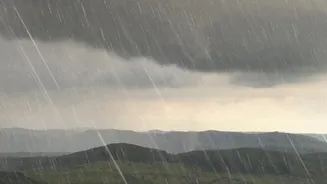
Heavy rain and fog on hilly routes can reduce visibility to almost zero. Your wipers, lights, and defogger are your first line of defence. Inspect your wiper blades; if they leave streaks or make a chattering noise, replace them. Don't wait for them to fail in a downpour. Top up your windshield washer fluid with a proper cleaning solution, not just water, to effectively clear oily grime splashed from the road. Test all your lights: headlights, taillights, brake lights, and indicators. In overcast conditions, always drive with your headlights on, not just to see but to be seen by other drivers. Ensure your AC and defogger are working correctly to prevent the windshield from fogging up from the inside.
Under the Hood and Body Protection
Moisture is the enemy of your car's mechanical and electrical systems. Before any long trip, check your car’s battery. Humidity and increased use of lights and wipers can strain it. Ensure the terminals are clean and the connections are tight. A coat of petroleum jelly on the terminals can prevent corrosion. Inspect all fluid levels, including engine oil, coolant, and brake fluid. Water ingress into the engine can cause catastrophic, expensive damage. To protect the car's metal components, consider getting an anti-rust coating for the underbody, as mud and water can accelerate corrosion.
Safe Driving Techniques for Hilly Terrain
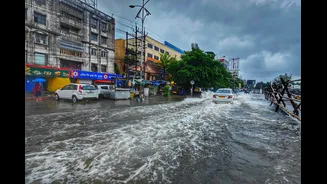
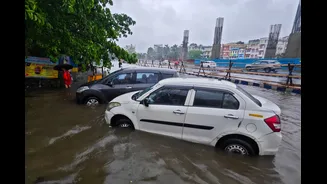
Driving on wet, winding hill roads requires a different approach. Reduce your speed significantly and maintain a much longer following distance from the vehicle ahead—double what you normally would. Avoid sudden braking, acceleration, or sharp turns, as these can easily lead to a skid. When driving downhill, use a lower gear to control your speed through engine braking, preventing your brakes from overheating. Never use cruise control on wet roads; it can cause the car to accelerate if you hydroplane. Be extra vigilant for landslides, rockfalls, and waterlogged patches. If you can't see the road surface under a patch of water, do not attempt to drive through it. The water may be deeper than it looks and could stall your engine or even sweep your vehicle away.
Assemble a Monsoon Emergency Kit
On a remote highway, help might not be readily available. A well-stocked emergency kit is crucial. Your kit should include a first-aid box, a powerful torch with extra batteries, a tow rope, and jumper cables. A tyre inflator and a puncture repair kit are also essential, along with a properly inflated spare tyre. Pack a few microfibre cloths for wiping foggy windows, a raincoat, and an umbrella. It’s also wise to have a power bank for your phone, drinking water, and some non-perishable snacks like biscuits or nuts in case you get stranded for an extended period.