



What Exactly Is Gut Health?
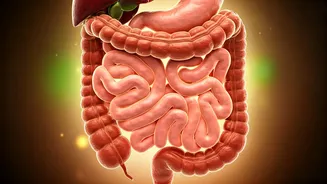
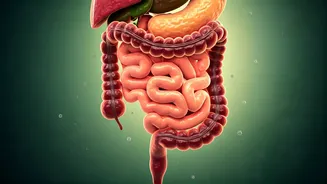
Think of your gut, specifically your intestines, as a bustling metropolis populated by trillions of microorganisms—bacteria, viruses, and fungi. This community is known as the gut microbiome. For years, we thought of bacteria only as germs to be destroyed.
But science now shows that a diverse and balanced microbiome is crucial for our overall well-being. These tiny residents help digest food, produce essential vitamins, regulate our immune system, and even influence our mood. When the 'good' bacteria are flourishing and keep the 'bad' bacteria in check, our gut is considered healthy. An imbalance, however, can be linked to everything from bloating and indigestion to more serious chronic health issues.
Why the Sudden Focus in India?
While the concept is modern, the practice is deeply traditional. The current trend isn't so much a 'switch' to something new as it is a 'return' to age-old wisdom, now validated by modern science. Several factors are driving this renewed interest. The post-pandemic era has ignited a nationwide focus on immunity and preventative wellness. Furthermore, rising awareness of lifestyle diseases like diabetes and obesity has prompted people to look for sustainable dietary solutions beyond temporary fixes. Social media influencers and celebrity nutritionists have also played a huge role in popularising the link between gut health and everything from clear skin to mental clarity, making it a mainstream topic.
The Indian Kitchen Advantage
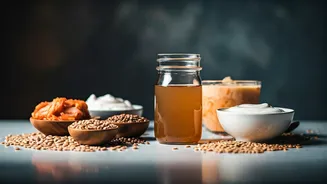
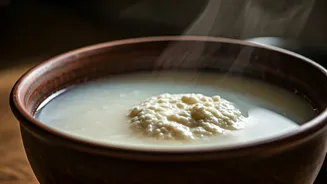
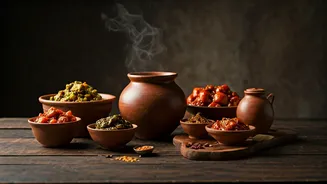
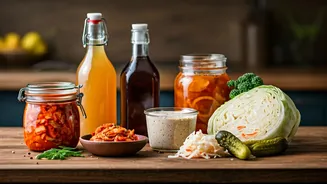
The best part about this trend is that you don’t need to hunt for exotic, expensive ingredients. The Indian kitchen is already a treasure trove of gut-friendly foods. That bowl of homemade dahi your grandmother insisted you have? It's a powerhouse of probiotics. The fermented batter for idli and dosa is teeming with beneficial bacteria. Traditional pickles (achar), when made correctly without excessive oil and preservatives, are also a great source. Even drinks like kanji, a fermented beverage made from black carrots, are fantastic for the gut. This movement is about appreciating and reviving the incredible biodiversity of our own culinary heritage.
Probiotics vs. Prebiotics: A Simple Guide
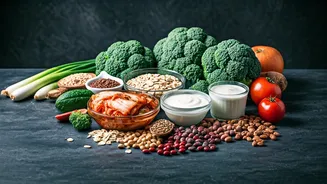
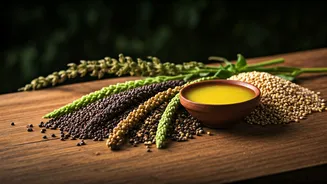
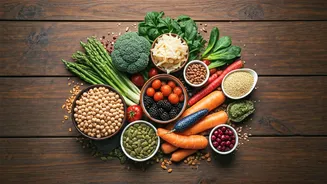
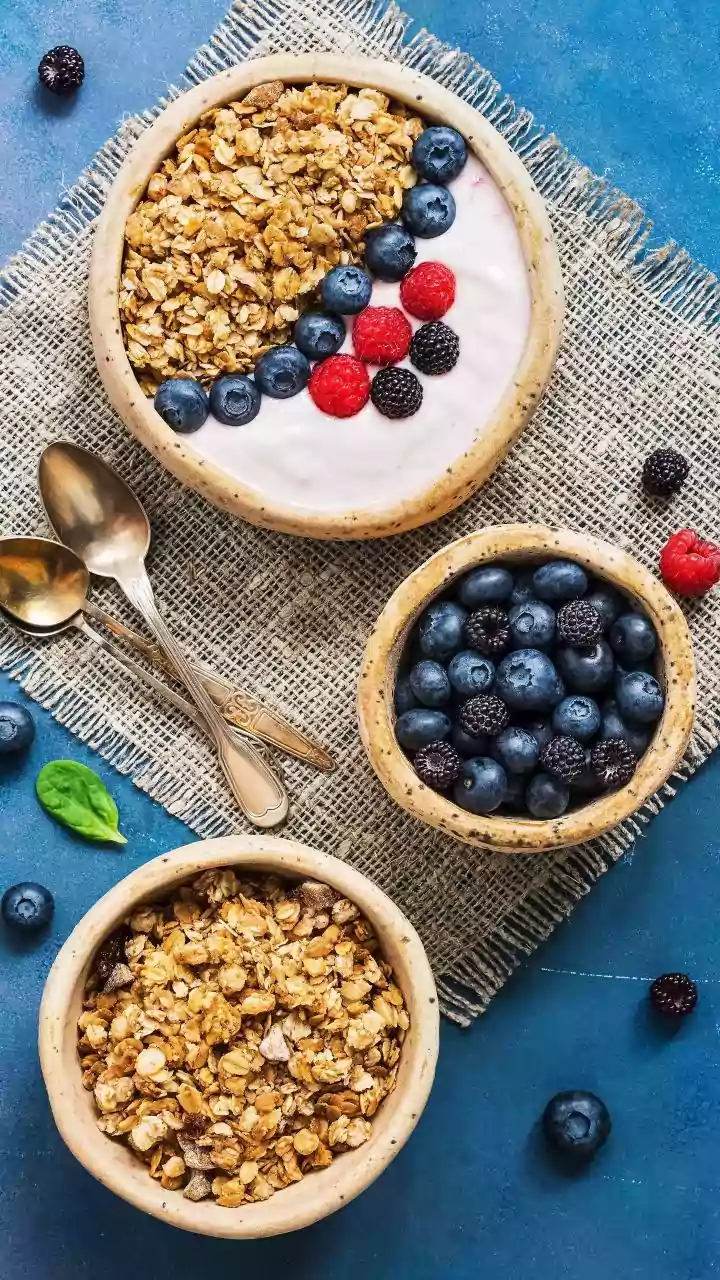
You’ve likely heard these two terms, and they work as a team. Probiotics are the 'good' live bacteria themselves. You can find them in fermented foods. - **Probiotic-rich Indian foods:** Dahi (curd), buttermilk (chaas), kefir, kombucha (a modern addition), and fermented foods like idli, dosa, and dhokla. Prebiotics, on the other hand, are the 'food' for these good bacteria. They are types of fibre that our bodies can't digest, but our gut microbes love to feast on. A diet rich in prebiotics helps the good bacteria multiply. - **Prebiotic-rich Indian foods:** Onions, garlic, bananas (especially slightly unripe ones), whole grains like oats and barley, and legumes like chickpeas and lentils (dal).
Simple Swaps for a Healthier Gut
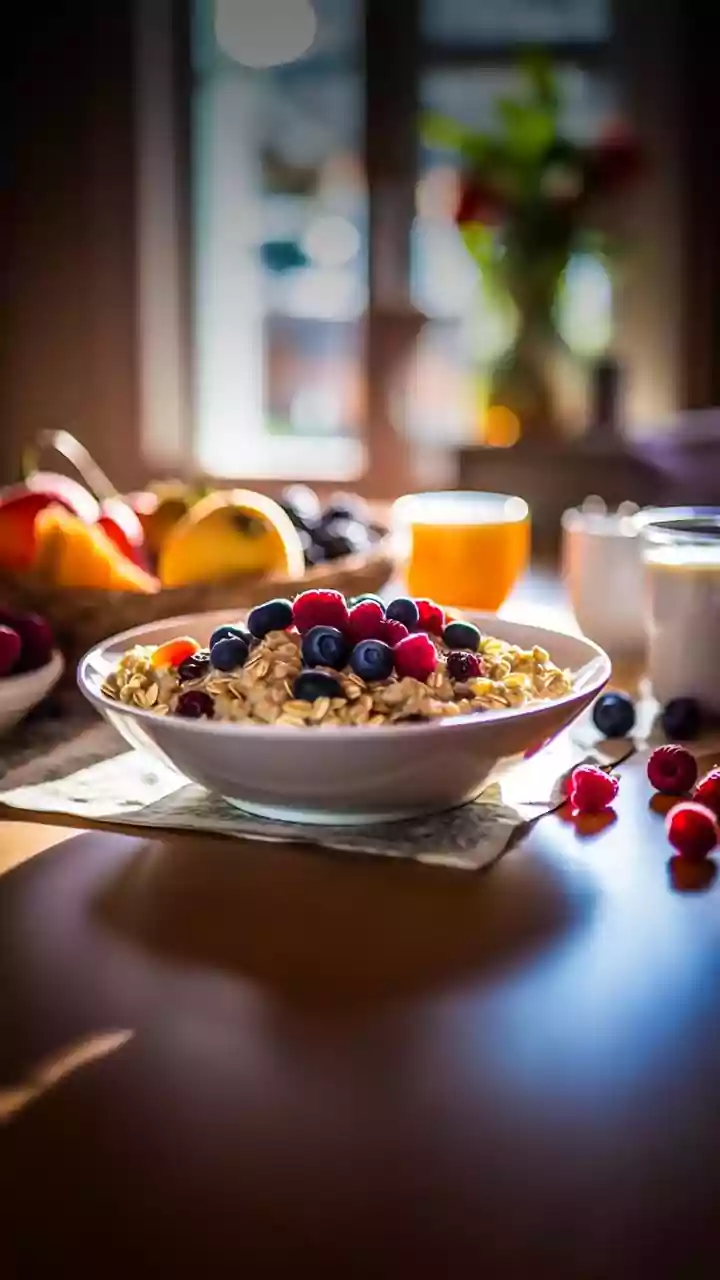
You don't need a complete diet overhaul. Small, consistent changes can make a big difference. Start by adding a small bowl of plain dahi to one of your daily meals. Swap refined white bread or maida-based rotis for whole-wheat or multi-grain options to increase your fibre intake. Aim to 'eat the rainbow' by including a variety of colourful, seasonal vegetables and fruits in your diet—each colour often signifies different nutrients and fibres that feed different types of good bacteria. Instead of a sugary packaged juice, try a glass of homemade buttermilk. Finally, be mindful of overuse of antibiotics, which can wipe out both good and bad bacteria, and only take them under a doctor's supervision.