





The Science of a Rain Shadow
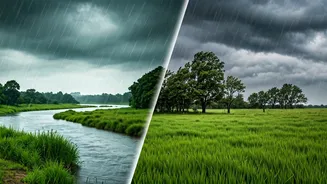
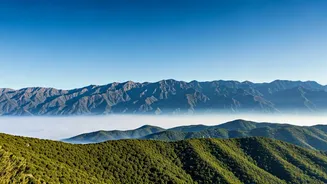
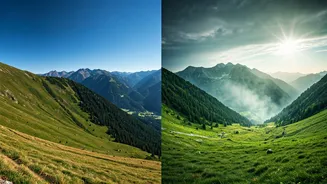
The secret lies in a simple geographical phenomenon: the rain-shadow effect. When moisture-laden winds from the sea encounter a mountain range, they are forced to rise. As the air ascends, it cools, and its moisture condenses to fall as rain on the windward
side of the mountains. By the time this air mass crosses over the peaks and descends on the other side—the leeward side—it has lost most of its moisture. This descending air warms up, further reducing humidity and creating a dry, often arid or semi-arid, region known as a rain shadow. It’s nature’s own umbrella, creating pockets of dry land even during peak monsoon season.
Ladakh: The High-Altitude Desert
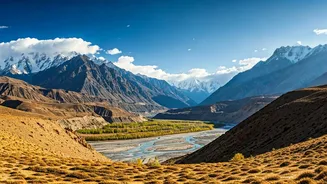
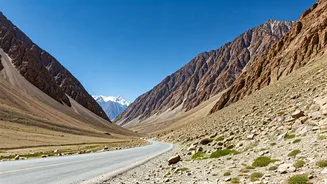
Often called the 'Land of High Passes', Ladakh is India’s premier rain-shadow destination. Tucked away behind the mighty Himalayas, it is a cold desert that receives minimal rainfall, even in July and August when the rest of India is drenched. July is, in fact, one of the best months to visit, with pleasant daytime temperatures hovering around 25°C in Leh. This is the peak season when all roads, including the iconic Manali-Leh and Srinagar-Leh highways, are open, offering full access to the region's surreal landscapes. You can explore the dramatic valleys of Nubra and Zanskar, witness the impossible blue of Pangong Lake, and immerse yourself in the serene atmosphere of ancient Buddhist monasteries, all under predominantly clear, sunny skies.
Spiti Valley: A World Within a World
Like its neighbour Ladakh, Himachal's Spiti Valley is a cold desert cradled in a rain-shadow zone. The towering Himalayan ranges effectively block the monsoon clouds, ensuring that Spiti remains overwhelmingly dry and sunny throughout July. While the destination itself is dry, the journey requires some planning. The approach road from Manali can be susceptible to landslides and swollen water crossings due to rains in the lower Himalayas. For this reason, the longer but more reliable route via Shimla and Kinnaur is often recommended during the monsoon months. Once there, the stark beauty of villages like Kaza, Kibber, and Tabo, along with the iconic Key Monastery perched on a hilltop, make for an unforgettable adventure far from the monsoon's reach.
The Other Side of the Ghats
The rain-shadow effect isn't limited to the Himalayas. The Western Ghats, which run parallel to India’s west coast, create a similar phenomenon. As the southwest monsoon winds move in from the Arabian Sea, they drench the coastal areas and western slopes in states like Kerala, Karnataka, and Maharashtra. However, the region to the east of the Ghats receives significantly less rainfall. Much of interior Tamil Nadu, for instance, lies in this rain shadow, getting most of its rainfall later in the year from the northeast monsoon. This makes cities like Madurai, Coimbatore, and the surrounding arid plains a viable, though warm, option for July travel if you’re looking to avoid relentless downpours. It's a chance to explore ancient temples and a different side of South India's landscape without the disruptions of heavy rain.
Planning Your Rain-Shadow Trip
While these destinations offer a respite from the rain, they come with their own set of considerations. For high-altitude locations like Ladakh and Spiti, acclimatisation is crucial. Plan to spend at least a day or two at a lower altitude before ascending further to avoid altitude sickness. Roads in these remote regions can be challenging, so it’s wise to build buffer days into your itinerary to account for any potential delays, even if they aren't rain-related. For all rain-shadow areas, the sun can be deceptively strong, especially at high altitudes. Packing essentials should include sunscreen, sunglasses, and a hat, alongside layered clothing to handle the wide temperature swings between day and night. With a little preparation, you can turn the monsoon season into a prime window for exploration.