






The Old Bottleneck at 10,000 Feet
Ask anyone who has travelled to Ladakh during peak tourist season, and they’ll likely have a story about the old airport terminal. Officially known as Kushok Bakula Rimpochee Airport, it serves as a critical, year-round lifeline for a region whose roads
are cut off for months by snow. However, the previous infrastructure was struggling to cope. With a capacity for about nine lakh passengers annually, the terminal was frequently overwhelmed during the summer rush, leading to long, winding queues for check-in and security. This congestion was more than just an inconvenience; at an altitude of over 10,682 feet, standing in crowded lines can be physically taxing for travellers not yet acclimatised to the thin air. The modest building, though functional, often felt like a stressful bottleneck at the start of an otherwise serene Himalayan adventure.
A New Era of Himalayan Travel
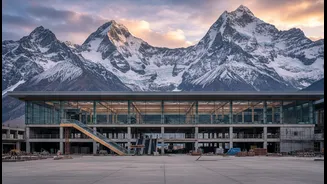
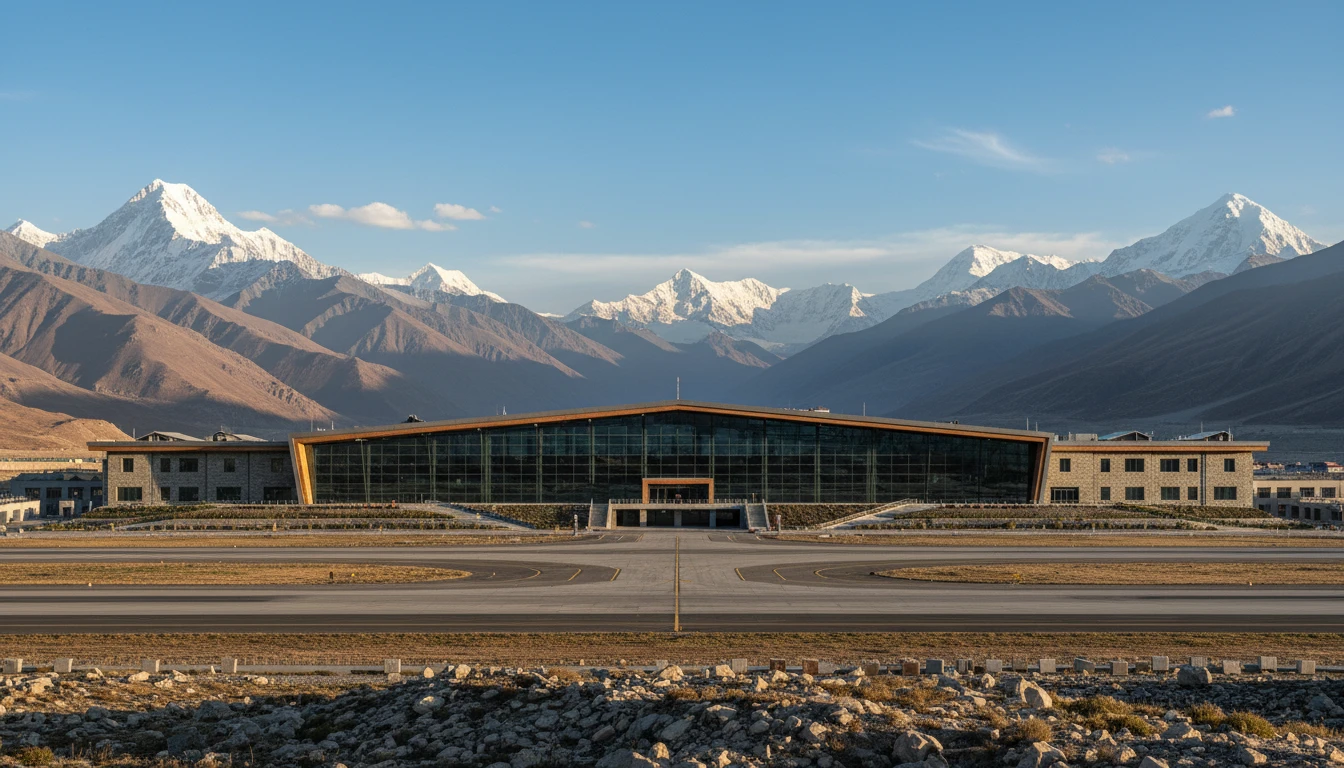
The game-changer is an entirely new, state-of-the-art integrated terminal building. As of early July 2026, the project was reported to be 83% physically complete, with officials pushing for a full opening soon. The new facility is a monumental leap forward, designed to handle a peak hour capacity of 2,000 passengers and up to 3.5 million passengers annually. Once fully operational, the airport will be able to manage up to 54 flights a day, a threefold increase from its previous capacity. This expansion includes 20 check-in counters, modern inline baggage handling systems, and eventually, three aerobridges, all aimed at drastically reducing congestion and streamlining passenger flow from touchdown to exit.
A Green Gateway to a Fragile Land
Perhaps the most remarkable aspect of the new terminal is its commitment to sustainability, making it a fitting gateway to the ecologically sensitive region of Ladakh. The project is set to be India's first airport to run on a hybrid of geothermal and solar power. A massive geothermal system, the largest of its kind in India, will harness the earth's natural heat for the terminal's heating and cooling needs, a critical feature in a place with extreme temperatures. This is complemented by a 700-kilowatt solar power plant. Together, these green technologies will significantly lower the airport's carbon footprint and make it a model for sustainable infrastructure in high-altitude environments. The design itself is inspired by Ladakhi culture, with architectural elements that reflect the region's rich Buddhist heritage.
What This Means for Your Ladakh Trip
For travellers, this upgrade translates directly into a smoother, more comfortable, and less stressful experience. The tripling of flight handling capacity means better connectivity and potentially more competitive airfares in the long run. The increased number of check-in counters and modern baggage systems will slash waiting times, allowing you to get out of the airport and begin your acclimatisation and adventure sooner. The spacious, climate-controlled waiting areas will offer a much more pleasant environment, whether you're arriving or departing. In essence, the new terminal removes a significant logistical hurdle, making the prospect of planning a trip to Ladakh, even during the busiest months, far less daunting. It promises an arrival experience that finally matches the spectacular beauty of the destination itself.