



The Magic of 'Black Gold'
Why bother with composting? The simple answer is that it’s one of the best things you can do for your plants and the planet. When food scraps end up in landfills, they decompose without oxygen and release methane, a potent greenhouse gas. By composting,
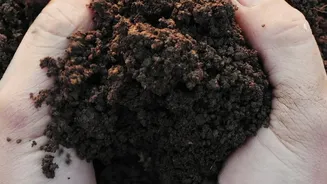
you divert this waste and transform it into a nutrient-rich soil amendment often called 'black gold'. This finished compost improves your soil's structure, helps it retain moisture, and feeds the beneficial microbes that keep your plants healthy. It’s a free, all-natural alternative to chemical fertilisers, recycling nutrients back into the earth.
Gathering Your Ingredients: Greens and Browns
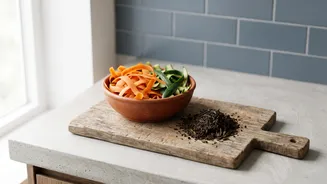
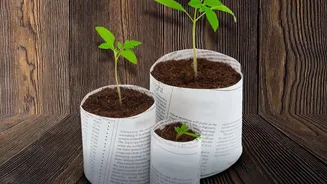
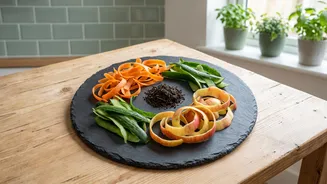
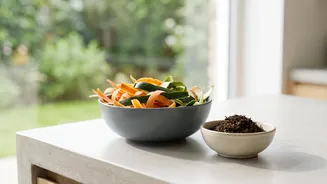
A healthy compost pile needs a balance of two types of materials: 'greens' and 'browns'. Greens are rich in nitrogen and include most of your fresh kitchen waste. Think fruit and vegetable peels, coffee grounds and their filters, and used tea leaves (just remember to remove any staples from the bags). Crushed eggshells are another fantastic addition, providing valuable calcium. Browns are carbon-rich materials that provide structure and prevent the pile from becoming a smelly, slimy mess. Good examples for home composters include shredded newspaper, non-glossy cardboard (like toilet paper rolls), and paper towels. A good rule of thumb is to aim for a ratio of about one part green material to two or three parts brown material.
What to Strictly Avoid
Just as important as what you put in is what you leave out. Certain items can create foul odours, attract pests like rodents and flies, or introduce harmful pathogens to your compost. The main culprits to avoid are meat, fish, bones, dairy products, and any oily or greasy foods. These materials break down differently from plant matter and can cause your indoor compost bin to smell unpleasant. It's also wise to limit the amount of citrus peels and onions you add, as their acidity can be harmful to the beneficial worms and microorganisms that do the hard work of decomposition. Finally, never add weeds that have gone to seed, as they can sprout in your finished compost and spread through your houseplants.
A Simple Bin for Small Spaces
You don't need a large backyard to compost. An indoor bin system, often called vermicomposting (composting with worms), is perfect for apartments. You can start with a simple plastic storage bin with a secure lid. Drill several small holes in the bottom and sides for aeration and drainage. Start by filling the bin about halfway with moistened 'browns' like shredded paper or cardboard to create bedding. Add a handful of soil, which introduces the microorganisms needed to kickstart the process. When you add your kitchen scraps ('greens'), chop them into smaller pieces to help them break down faster. Each time you add food, bury it under the top layer of bedding material. This simple step is crucial for preventing odours and discouraging pests.
Patience and Turning
Composting requires a little patience. If you're using a worm-free system, you'll need to turn the contents of your bin about once a week with a small garden fork or trowel. This aerates the mixture, distributing air, moisture, and microbes, which speeds up decomposition. If you've opted for vermicomposting, the worms will do most of the turning for you. Keep the contents of the bin consistently moist, like a wrung-out sponge, but never soggy. Over a few months, you’ll see the materials transform. Your compost is ready when it is dark, crumbly, and smells earthy and rich—not like kitchen scraps. You shouldn't be able to recognise the original items you put in.
Feeding Your Houseplants
Once your compost is ready, it’s time to share the love with your plants. For houseplants, it’s best to use compost as a soil amendment rather than a complete potting medium, as it can be too rich on its own. One simple method is to use it as a top dressing. Just sprinkle a thin layer of the finished compost over the soil in your pots and water it in. The nutrients will gradually work their way down to the roots. When repotting a plant, you can mix a small amount of your homemade compost—a good starting ratio is about one part compost to eight parts potting soil—to give the plant a long-lasting, slow-release nutrient boost.