
Venus: The Unmistakable Evening Star
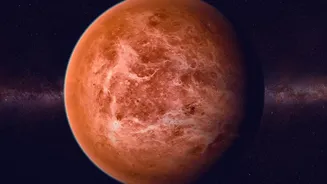
Venus is the main event in the western sky after sunset throughout August. You truly cannot miss it; the planet is exceptionally bright, easily outshining every star. On August 15, Venus reached its greatest elongation, meaning its farthest point from
the sun in our sky, making it a prominent fixture of the twilight hours. If you have a telescope, you might notice that Venus is currently in a half-moon phase. As the month progresses, keep an eye on Venus as it appears to draw closer to the bright star Spica in the constellation Virgo. This celestial pairing offers a beautiful sight nightly, leading up to a close conjunction in early September.
Chasing the Perseid Meteor Shower
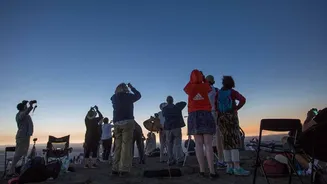
August is famous for the Perseid meteor shower, which peaked under ideal, moonless conditions around August 12-13. While the peak has passed, the show isn't entirely over. The shower remains active until around August 24, so you can still catch some straggler “shooting stars” in the late hours. For your best chance, find a location far from city lights, give your eyes about 30 minutes to adjust to the darkness, and look towards the northeast. The meteors are debris from Comet Swift-Tuttle, and they burn up in our atmosphere at incredible speeds, often leaving persistent, glowing trails.
The Giants: Jupiter and Saturn
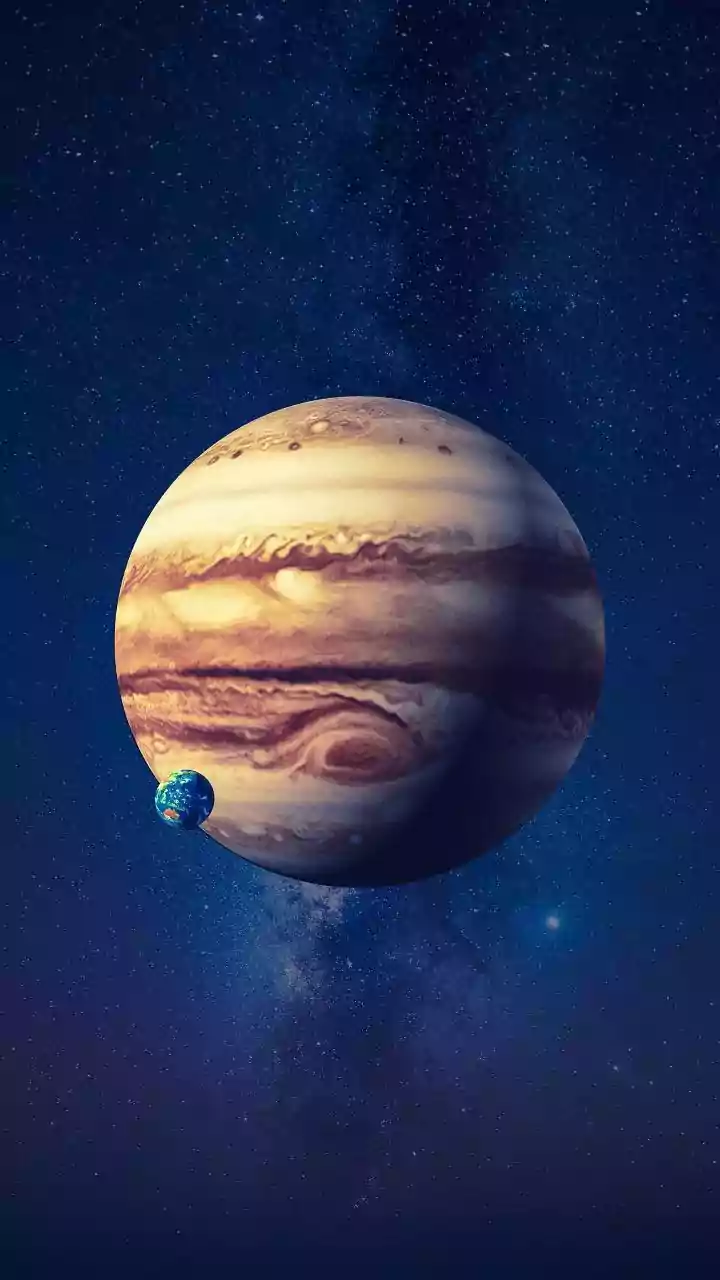
Two other magnificent planets are on display this month. Yellowish Saturn rises in the east during the evening and will be visible for most of the night. It's an easy naked-eye target, appearing as a bright, steady point of light. Even a small pair of binoculars might reveal its oblong shape, a hint of its famous rings. Mars, the red planet, is also visible in the pre-dawn sky, high in the east. Later in the month, very bright Jupiter also begins to rise in the east just before dawn, though it will remain quite low to the horizon.
A 'Blood Moon' Eclipse
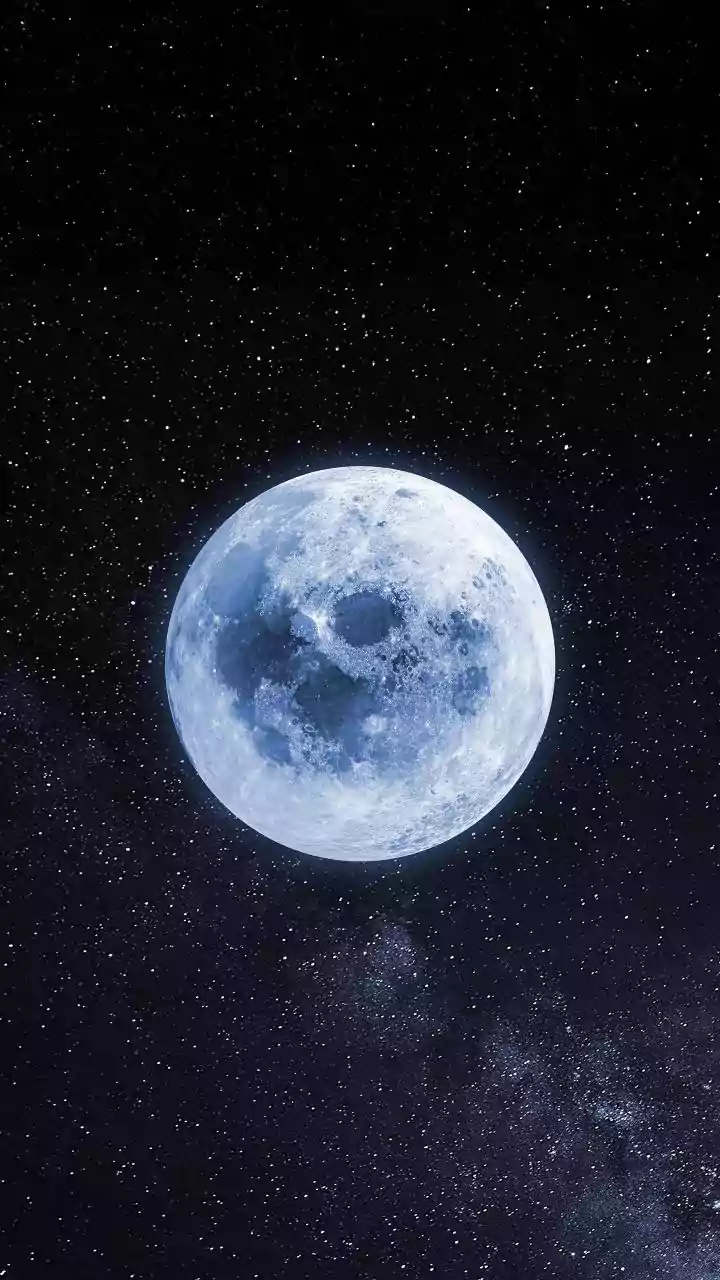
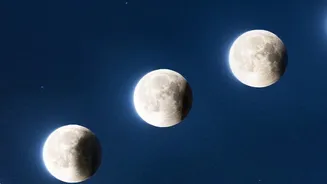
Mark your calendar for the night of August 27-28 for another major event: a deep partial lunar eclipse. This occurs during the full moon, which is traditionally known as the Sturgeon Moon. Earth will pass between the Sun and Moon, casting its shadow over the lunar surface. At its peak, around 96% of the Moon's face will be covered by Earth's darkest shadow, which will cause it to take on a reddish, coppery hue, often called a 'Blood Moon'. The eclipse will be visible across the Americas and parts of Europe and Africa. For viewers in India, the full moon rises on the evening of August 27, with the eclipse happening in the early hours of August 28.
Tips for Stargazing in India
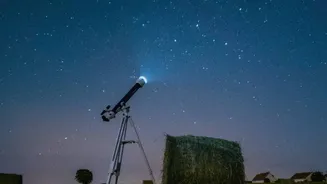
For observers in India, August can be a challenging month due to the monsoon. However, breaks in the clouds, especially later in the month, can provide stunningly clear, rain-washed skies. To make the most of it, escaping city light pollution is essential. High-altitude, rain-shadow regions like Ladakh and Spiti Valley offer world-class stargazing conditions. The Thar Desert in Rajasthan is another excellent option. Even a short drive from cities like Mumbai to areas like Jawhar can reveal the faint, beautiful band of the Milky Way, which is still well-positioned for viewing on clear, moonless nights. Always check the weather forecast before heading out.