





From Awkward Angle to Intentional Space
Every home seems to have one: the awkward corner. It might be in the living room, at the top of the stairs, or in a wide hallway. For years, these spaces have been design dilemmas, often becoming magnets for clutter or simply ignored. However, a growing
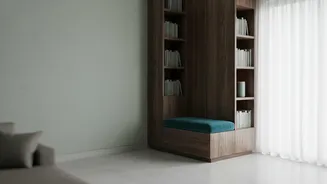
trend is reimagining these architectural quirks not as problems, but as opportunities. The solution is the small reading zone, a dedicated nook for quiet retreat. This isn't just about filling space; it's a response to our increasingly digital lives, carving out a tangible spot for calm, focus, and the simple pleasure of reading a book. By turning a forgotten corner into a destination, you add function, personality, and a layer of coziness to your home.
The First Step: Choosing the Right Corner
Before you buy a single cushion, assess your potential corners. Not all are created equal. The ideal spot is typically low-traffic, preventing you from being disturbed. A corner near a window is a huge bonus, providing natural light that is perfect for daytime reading. Consider the size and shape. Is it a tight 90-degree angle or a wider, more forgiving niche? Think about its location within the home. A corner in a bustling living room might require more effort to make it feel separate, while one in a quiet bedroom is a natural fit for a tranquil escape. Observe the light at different times of day and listen for the ambient noise level. This initial assessment will guide all your subsequent design choices.
The Anchor: Finding Your Perfect Seat
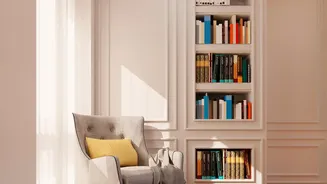
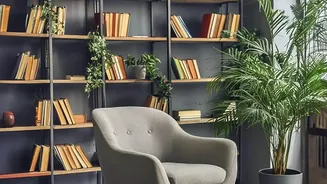
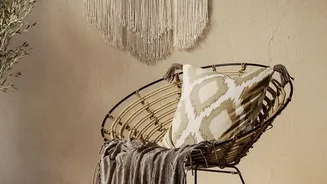
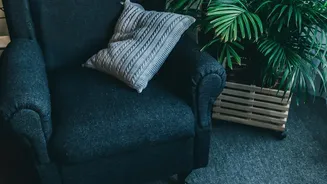
Comfort is non-negotiable in a reading nook. The seating is the anchor of the entire zone and should be chosen with care. For a classic approach, a plush armchair with a matching ottoman allows you to put your feet up. If space is tight, consider a more compact but equally comfortable option like a modern accent chair. For a more bohemian or relaxed vibe, large floor cushions, a chaise lounge, or even a soft bench can work wonders. The key is to select seating that invites you to settle in for an extended period. Don't forget to layer on comfort with soft throws and plush pillows that add both coziness and a pop of color or texture.
The Mood-Setter: Layering Your Lighting
Proper lighting is crucial for both function and atmosphere. Relying solely on a room's main overhead light will create harsh shadows and strain your eyes. The best reading zones feature layered lighting. If you have natural light from a window, maximize it. For evenings or cloudy days, a dedicated task light is essential. This could be a stylish floor lamp that arcs over your chair or a wall-mounted sconce that saves floor space. Battery-operated sconces are a great hack if you don't want to deal with wiring. Add a secondary, softer light source, like a small table lamp or even some string lights, to create a warm, ambient glow that makes the space feel intimate and inviting.
The Necessities: Smart Storage and Surfaces
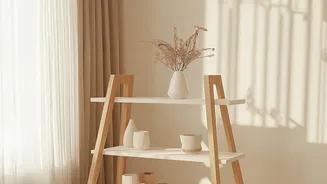
A reading nook needs to be practical. You'll want a place for your current book, a cup of tea, and perhaps a few other essentials. A small side table is a must. C-shaped tables are particularly useful for small spaces as their base can slide under the chair. When it comes to book storage, think vertically. Floating shelves are a popular choice as they take up no floor space. You could also use a movable book cart or a slim, ladder-style bookshelf. For hidden storage, an ottoman with a removable lid can hold extra blankets, magazines, or future reads. The goal is to have everything you need within arm's reach, keeping the area tidy and relaxing.
Defining the Zone: Creating a Nook Within a Room
To make your reading corner feel like a true retreat, it helps to visually separate it from the larger room. A small, plush rug is one of the easiest ways to do this, anchoring the furniture and defining the nook's perimeter. Another effective technique is to use paint or wallpaper. Painting the corner in a different, perhaps deeper or more calming, color can create a powerful zoning effect. A patterned wallpaper can add personality and make the space feel like a special feature. Even hanging a piece of art or a fabric wall hanging can help designate the area as a distinct and intentional zone.