








Aspirations Beyond Price Tags
For years, the narrative around non-metro consumers was dominated by affordability. While value remains important, it's no longer the only factor. Today's shoppers in cities like Lucknow, Jaipur, and Kochi are seeking products that deliver on performance
and quality. The information boom, powered by affordable data and smartphones, has created a highly aware consumer who is no longer willing to settle for substandard products. They have seen what global and premium brands offer and are now seeking the next best thing that fits their budget, driving demand for a new category of affordable yet high-performing products. This shift marks a significant change from occasional, festival-driven purchases to incorporating beauty and skincare into a daily self-care routine.
What 'Smarter' Really Means
So, what defines a 'smart' choice for this new generation of buyers? The definition has become increasingly sophisticated. It starts with ingredient transparency. Shoppers are actively checking labels, looking for clean, toxin-free formulas and avoiding harmful chemicals like parabens and sulfates. This has fueled the growth of the 'conscious beauty' segment, which is projected to expand significantly in the coming years. 'Smarter' also means products tailored to specific local needs. Brands are noticing that a one-size-fits-all approach doesn't work. For example, shoppers in humid coastal regions have different needs than those in arid northern climates. This has given rise to 'PIN Code Beauty', where searches in Bengaluru focus on hard-water scalp solutions, while those in Rajasthan prioritise hydration.
The Digital Awakening
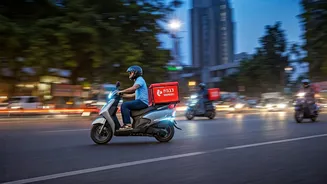
This entire movement is supercharged by digital access. Social media platforms like Instagram and YouTube have become the new beauty classrooms, where influencers and creators demonstrate products and share authentic reviews. For many in non-metro areas, discovery happens online, often through a peer or a regional influencer they trust. E-commerce has been the other great equaliser, democratising access to brands that were once available only in big-city malls. Major platforms report that a huge chunk of their beauty orders now come from outside the metros. Flipkart, for instance, sees two in three beauty orders originating from non-metro cities. This online access, combined with faster delivery, has unlocked latent demand and allowed shoppers to act on impulse purchases driven by social media trends.
How Brands are Responding
The industry is paying close attention. Direct-to-Consumer (D2C) brands have been particularly quick to cater to this audience, offering innovative, targeted products that legacy players might have overlooked. Brands like SUGAR Cosmetics and Mamaearth found that a significant portion of their sales, over 60% for SUGAR, comes from Tier 2 and 3 towns. These digital-first brands built their success by engaging directly with this consumer base. Even premium and international brands are expanding their footprint, opening stores in cities like Indore, Chandigarh, and Lucknow, recognising the rising disposable incomes and aspirations in these markets. The strategy is shifting from just being present online to creating a true omnichannel experience, blending digital discovery with the option of physical trials and in-store validation.