



Understanding the Itch Factor
That familiar prickly feeling from some wool garments isn't usually an allergy; it's a mechanical irritation. It happens when coarse, stiff wool fibres, which are larger in diameter, don't bend against your skin but instead poke it, stimulating nerve
endings. Finer wools like merino have thinner, more flexible fibres that lie flat against the skin, which is why they feel much softer. For those more traditional, rustic woollens, creating a physical barrier is the most effective way to guarantee comfort.
Choosing Your Perfect Inner Layer
The right base layer is your first line of defence against itchiness. Its job is to create a soft buffer and manage moisture. Top choices include merino wool, which despite being wool, has superfine fibres that don't itch and are excellent at regulating temperature. Silk is another fantastic option; it's incredibly lightweight and soft, adding warmth with no bulk, making it ideal for low-key activities. Plant-based fabrics like Tencel, Modal, and bamboo viscose are also popular for their silky smoothness and breathability. For high-exertion activities, synthetics like polyester excel at wicking sweat away quickly, keeping you dry and comfortable.
Caring For Your Delicate Base Layers
Your soft inner layers made of silk, modal, or merino require gentle handling to maintain their texture and shape. It is often safest to hand wash these items. Fill a basin with cool or lukewarm water and use a small amount of a mild detergent formulated for delicates. Submerge the garment, gently swish it for a few minutes without twisting or rubbing, and let it soak for about 15 minutes. If machine washing is allowed on the care label, use a delicate cycle with cold water and place the items in a mesh laundry bag to prevent snagging. Always avoid high heat when drying; air-drying flat is the best method.
How to Wash Woollens Without Fear
Wool has natural anti-bacterial properties, so it doesn't need to be washed after every wear; often, simply airing it out is enough. When it is time for a wash, hand washing is the safest method. Use lukewarm water and a wool-specific, pH-neutral detergent. Submerge the garment, let it soak for 10-15 minutes, and gently squeeze the water through the fabric. Avoid any harsh rubbing or wringing, which can cause the fibres to felt. If your washing machine has a certified 'wool' cycle, this can be an alternative; just be sure to use a low temperature and a low spin speed. Always turn wool garments inside out before washing to reduce friction.
The Art of Drying and Shaping
Never, ever put a woollen garment in a tumble dryer, as the heat and agitation will cause it to shrink and felt. After washing, gently squeeze out the excess water—do not wring it out. The best way to dry wool is to lay the garment flat on a clean, dry towel. Gently reshape it to its original dimensions while it is still damp to prevent stretching or misshaping. Keep it away from direct sunlight or heat sources as it dries. This patient process is key to ensuring your woollen pieces last for years.
Smart Storage to Prevent Damage
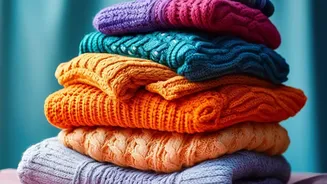
Proper storage is crucial for extending the life of your woollens. Always clean your garments before storing them for a season, as lingering body oils or food stains can attract pests like clothes moths. The best way to store heavy knitwear is folded flat in a drawer or a breathable container, as hanging can cause the garment to stretch out of shape. To naturally deter moths, place cedar blocks or lavender sachets in your storage area. These not only protect your clothes but also leave them with a fresh, pleasant scent, far from the chemical smell of old-fashioned mothballs.