



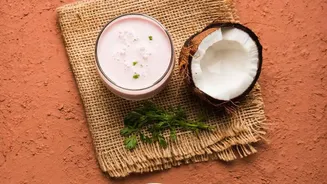

The Cooling Power of Pudina (Mint)
Pudina, or mint, is a staple in Indian households, celebrated for more than just its use in chutneys. Its primary active compound, menthol, is responsible for its characteristic cooling sensation and a host of digestive benefits. Traditionally used in Ayurveda
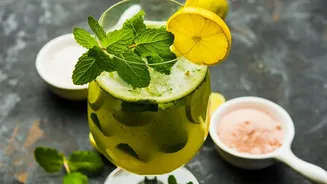
to pacify excess Pitta (heat) in the body, mint is excellent for soothing the stomach. It helps relax the muscles of the digestive tract, which can provide relief from issues like bloating, gas, and indigestion. This makes a simple glass of mint-infused water a powerful ally after a heavy meal or during a hot day. Beyond digestion, its natural cooling effect helps regulate body temperature, providing relief from summer heat without the need for sugary cold drinks. The fresh aroma is also known to combat bad breath, making it a complete sensory refresher.
A Simple Mint Cooler Recipe
Creating your own pudina pani is incredibly easy and takes just a few minutes. This basic recipe can be customised with other ingredients like lemon or cucumber for added flavour and benefits. To start, you will need a handful of fresh mint leaves (about half a cup), two cups of chilled water, and a pinch of black salt. First, gently crush the mint leaves to release their essential oils. You can do this with a mortar and pestle or simply by hand. Combine the crushed leaves with the chilled water in a large jug. Stir in the black salt and let the mixture infuse for at least 15 to 30 minutes in the refrigerator. For a more elaborate version, you can blend the mint leaves with a little water to create a smooth paste, then strain it into the jug before adding the remaining water and seasonings. Serve chilled for a zero-calorie drink that hydrates and aids digestion.
The Digestive Magic of Jeera (Cumin)
Jeera, or cumin, is a cornerstone of Indian cooking, but its role as a digestive aid is just as significant. For centuries, a glass of warm jeera water has been the go-to home remedy for an upset stomach, and modern science has begun to validate this tradition. Cumin seeds are rich in thymol, a compound that stimulates the pancreas to produce digestive enzymes. This enhanced enzyme activity helps the body break down food more efficiently, leading to better nutrient absorption and relief from common issues like bloating, gas, and acidity. Jeera water also has mild laxative properties and contains fibre, which helps regulate bowel movements and prevent constipation. Furthermore, its anti-inflammatory properties can soothe the digestive tract, making it beneficial for those with sensitive stomachs.
How to Prepare Jeera Water
There are two popular methods for making jeera water. The quickest way is the boiling method. Simply add one teaspoon of cumin seeds to two glasses of water in a pan, bring it to a boil, and let it simmer for about five to ten minutes until the water turns a golden-brown colour. Let it cool, then strain out the seeds. For a different approach, you can use the overnight soaking method. Add a teaspoon of jeera to a glass of water and let it steep overnight. In the morning, you can either strain and drink the water directly or briefly boil it before straining. This drink is most effective when consumed warm on an empty stomach, as it helps kick-start your metabolism and prepares your digestive system for the day.
The Tangy Twist of Kokum
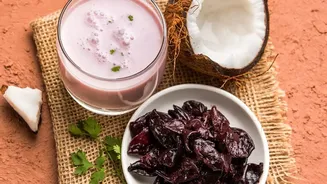
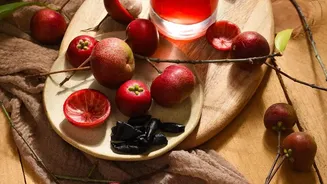
A jewel of India's coastal regions, kokum is a tangy fruit celebrated for its cooling and digestive properties. Often used as a souring agent in Maharashtrian and Goan cuisines, its juice, known as Kokum Sharbat, is a traditional summer beverage that excels at hydration and gut health. Kokum acts as a natural antacid, making it effective for relieving acidity and heartburn. It is also used in traditional remedies to improve overall gut function. The fruit contains hydroxycitric acid (HCA), which has been studied for its role in appetite regulation. Rich in antioxidants, kokum also helps combat cellular damage and supports skin health by promoting hydration from within. Its unique sweet and sour taste makes it a refreshing alternative to other beverages, especially after meals to promote smoother digestion.
Classic Kokum Sharbat Recipe
To make a refreshing Kokum Sharbat, you will typically start with dried kokum petals. First, soak about 10-12 dried kokum petals in warm water for at least 30 to 60 minutes. This will soften the petals and release their deep, reddish-purple colour. Once softened, gently mash the petals to extract as much pulp and syrup as possible. Strain this concentrated liquid into a jug. To this concentrate, add chilled water to dilute it to your preference. For sweetness, you can dissolve jaggery, which complements the tartness of the kokum perfectly. Finally, add a pinch of black salt and some roasted cumin powder to balance the flavours. Stir everything well, and serve the sharbat chilled, garnished with a few mint leaves for extra freshness.