




Embrace the Cost-Per-Wear Mindset
The most powerful tool for a savvy shopper is the 'cost-per-wear' calculation. It’s a simple formula: divide the total price of a garment by the number of times you wear it. A ₹500 top worn only twice has a cost-per-wear of ₹250. But if a ₹2000 jacket
is worn 50 times, its cost-per-wear drops to just ₹40. This mindset shifts your focus from the upfront cost to the long-term value. Before buying, ask yourself not just if you like it, but how many times you will realistically wear it. This simple calculation transforms your wardrobe from a collection of disposable trends into a portfolio of smart investments.
Master the Art of Smart Laundry
How you wash your clothes has a massive impact on their lifespan. Many fast-fashion items are made from blends of polyester, viscose, and cotton that don't respond well to harsh washing. To preserve them, wash less frequently by spot-cleaning minor stains instead of doing a full wash. When you do run a load, use cold water, which prevents colours from fading and reduces fabric shrinkage. Turning garments inside out protects prints and textures, while separating heavy items like jeans from delicate tops prevents damage from zippers and buttons during the spin cycle. Whenever possible, air-dry your clothes. High heat from dryers can weaken synthetic fibres and cause irreversible damage.
Simple Repairs Make a Big Difference
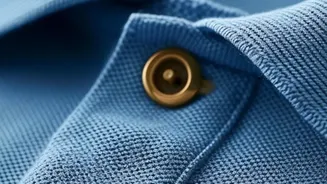
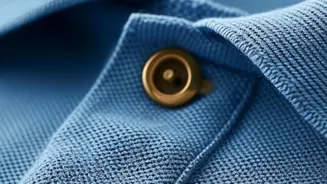
You don't need to be a professional tailor to handle the most common clothing issues. Learning a few basic mending skills can save you a significant amount of money and keep your favourite items in rotation. Sewing on a loose button, for instance, is a simple skill everyone should have. Small rips in a seam can often be fixed with a basic running stitch or a more secure backstitch. For a small hole or tear, you can place a patch behind the fabric and secure it with neat stitches, a technique inspired by Japanese sashiko mending that can add a unique, personalized touch. These small fixes prevent minor issues from becoming garment-ending disasters.
The Power of Proper Storage
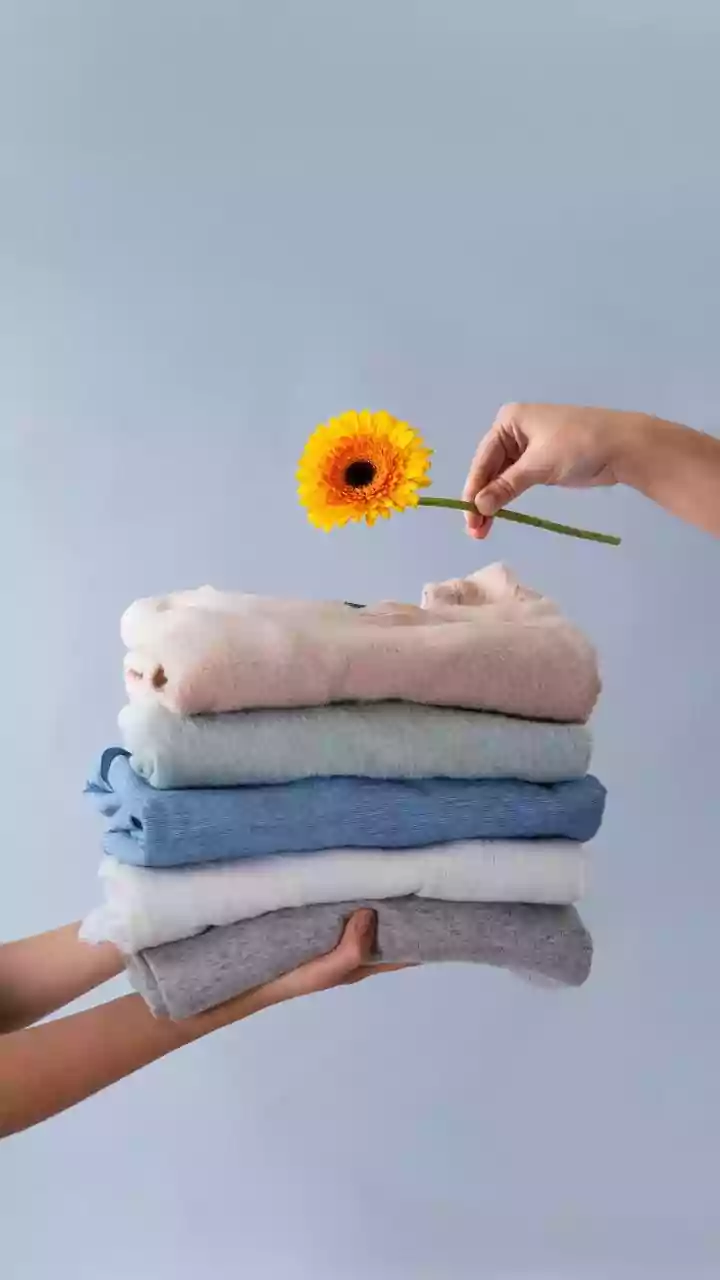
How you store your clothes between wears matters just as much as how you wash them. Cramming items into a packed wardrobe can cause wrinkles and strain seams. Give your clothes room to breathe. It's best to fold heavy sweaters and knits instead of hanging them, as hanging can cause them to stretch out of shape over time. For more structured items like jackets or dresses, use proper hangers that support the shoulders. To protect special occasion outfits or seasonal clothing from dust and pests, use breathable garment bags instead of plastic covers, which can trap moisture and lead to mildew.
Beyond Wear: The Value of a Second Life
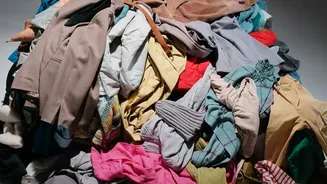
Extending the life of a garment has benefits that go beyond your own wallet. Research shows that keeping an article of clothing in use for just nine extra months can reduce its carbon, water, and waste footprints by 20-30%. When you truly feel you've gotten all the wear you can from an item, its journey doesn't have to end in the bin. Consider giving it a second life. If it's still in good condition, it can be donated or resold. If it's too worn, the fabric can be upcycled into cleaning rags, cushion stuffing, or other household items. This circular approach ensures that you extract the maximum possible value from every piece, reducing waste and the demand for new production.