

A World Beyond Button Mushrooms
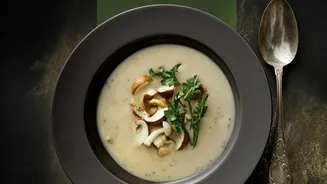
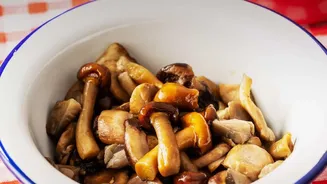
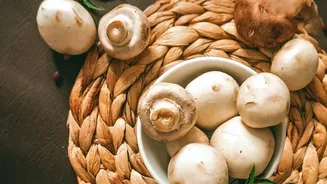
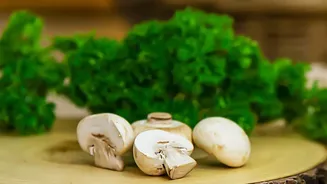
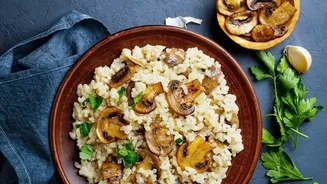
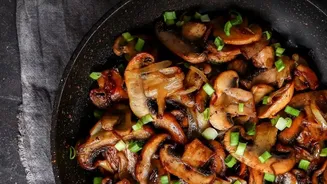
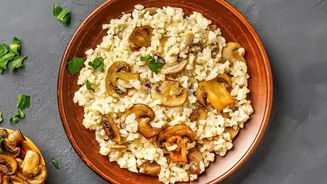
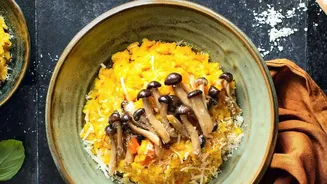
The foundation of this new trend is a massive expansion in the variety of mushrooms available. While the humble button mushroom once dominated the market, a growing appetite for new flavours has made room for a host of specialty and exotic varieties.
Consumers and chefs are now embracing oyster, shiitake, portobello, and even more niche types like lion's mane, reishi, and wood ear. This shift is largely driven by a growing network of local, sustainable mushroom farms. These farms are making previously rare mushrooms more accessible, allowing chefs to experiment and home cooks to broaden their culinary horizons. The shiitake mushroom, in particular, is gaining significant traction for its rich, umami flavour and reputed health benefits, quickly becoming a favourite in gourmet circles.
The Chef's New Creative Muse
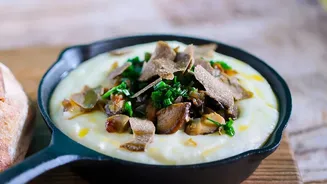
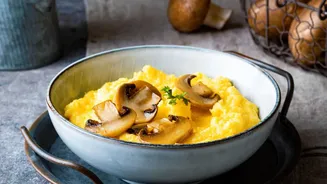
Indian chefs are leading the charge, treating mushrooms not as a mere vegetable but as a primary ingredient with the power to be the star of a dish. Their versatility is being showcased in ways that were once unimaginable. In upscale restaurants, you might find a king mushroom confit, where the mushroom is slow-cooked to a meaty, tender perfection. Elsewhere, chefs are using mushrooms to add a deep, savoury character to everything from contemporary small plates to inventive main courses. Goa-based chef Satish Sridhar, known as the 'Mushroom Chef,' is even reimagining traditional Tamil dishes like sambar and rasam with varieties such as lion's mane and cordyceps, showcasing their unique textures and flavour profiles. This innovative spirit extends to plant-based meat alternatives, where mushrooms provide a satisfyingly hearty texture and umami depth.
The Rise of Umami and Health-Conscious Eating
The trend is also fuelled by two major shifts in consumer behaviour: a growing appreciation for umami and a stronger focus on health and wellness. Umami, the fifth basic taste, provides a savoury richness that makes food more satisfying. Mushrooms are a natural source of this flavour, making them a perfect ingredient for adding depth to dishes without relying on meat. This has been a game-changer for India's large vegetarian population and the increasing number of people adopting plant-based or flexitarian diets. Furthermore, mushrooms are recognised as a superfood, packed with protein, vitamins, and antioxidants while being low in calories. As health awareness grows, more people are seeking out foods that are both delicious and nutritious, and mushrooms fit that description perfectly.
From Niche to Mainstream
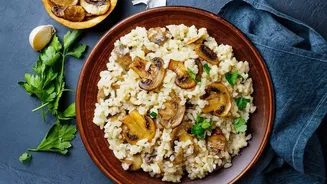
What started in high-end restaurants is now trickling down into everyday food culture. The trend is visible in the emergence of mushroom-infused products, from protein bars and snacks to mushroom coffee and tea, which are gaining popularity for their wellness benefits. The demand is supported by a booming domestic market for mushrooms, which is projected to grow significantly in the coming years. This growth is making specialty mushrooms more available in supermarkets and local stores, not just in urban centres but across the country. As home cooks become more adventurous, classic recipes are being updated with new mushroom varieties, from a rich Goan mushroom xacuti to a flavourful mushroom biryani. This mainstream adoption signals a fundamental change in how mushrooms are perceived and enjoyed in India.