




A Gift From the Rains
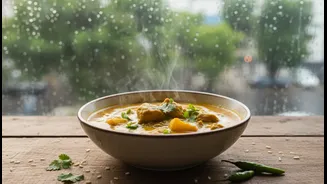
The connection between monsoons and mushrooms is as old as the seasons themselves. The damp, humid weather creates the perfect conditions for a wide variety of fungi to sprout, making them a natural seasonal bounty. For generations, communities, particularly
in forested regions like the Western Ghats and the Northeast, have foraged for these edible treasures. This year, that tradition is being translated onto urban menus, with chefs embracing the earthy, complex flavours of both cultivated and wild mushrooms that come alive during the rains. The season naturally brings varieties like the prized termite-mound mushrooms, known as 'olmi' or 'alambi' in Goa and parts of Karnataka, which cannot be commercially grown and are foraged from the wild.
Beyond the Button Mushroom
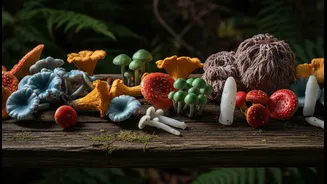
While button mushrooms have long been a staple in Indian kitchens, the current trend sees a much wider and more exciting variety. Restaurants are showcasing a delightful array of fungi, each with its own unique texture and taste. On monsoon menus, you're now likely to find dishes featuring delicate oyster mushrooms, meaty shiitakes, and spongy morels (gucchi). In Mumbai, some restaurants are featuring Japanese and Korean-inspired hot pots with an assortment that includes enoki, shimeji, and king oyster mushrooms. In Bengaluru, you might find a Truffle Mushroom Benne Dosa, while in Delhi, a creamy 'Penne Shroom Jang' could be the star. This exploration of diversity is introducing diners to a whole new world of fungal flavours.
The Chef's Perspective
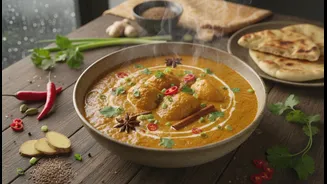
For chefs, mushrooms are a versatile and exciting ingredient to work with. Their ability to absorb flavours makes them perfect for a range of preparations, from rich, spicy curries to delicate stir-fries and even as a substitute for meat. In Goa, for instance, the traditional mushroom xacuti, a coconut-based curry typically made with chicken, is a monsoon specialty made with wild olmi mushrooms. Across cities, chefs are crafting innovative dishes like Truffle Wild Mushroom Baos, Mushroom Birria Tacos, and silky Mushroom Pâté. This trend aligns with a broader movement in Indian cuisine towards ingredient-led cooking, where the focus is on seasonality and letting the natural flavour of the produce shine.
A Healthy and Hearty Choice
As diners become more health-conscious, mushrooms offer a compelling alternative to heavier monsoon snacks. They are a rich, low-calorie source of fibre, protein, and antioxidants. Many varieties are packed with vitamins and minerals, including immune-boosting selenium, vitamin D, and B vitamins. Studies have also highlighted their potential benefits for heart and brain health. This nutritional profile makes mushroom dishes a guilt-free indulgence, offering the warmth and comfort expected from a rainy-day meal without the heaviness of deep-fried food. The deep, savoury flavour, often described as 'umami', also makes them incredibly satisfying, especially in vegetarian cooking.
Exploring the Trend
This monsoon, the mushroom's presence on menus is undeniable. You can find them in hearty hot pots at Japanese restaurants in Mumbai, in special dim sum menus in Bengaluru, and as the star of regional Indian curries. For example, Yauatcha in Bengaluru has a monsoon menu pairing dim sum with tea, featuring various mushroom dumplings. In Mumbai, Dome at InterContinental is offering a bao menu with a Truffle Wild Mushroom option, while Bluebop Café has a Cream of Mushroom soup on its special monsoon list. These offerings reflect a broader trend where restaurants are creating special, limited-time menus to celebrate the season, moving beyond the predictable to offer something fresh and exciting.