




The Honeymoon Period is Over
For decades, names like Shimla, Manali, Mussoorie, and Nainital were synonymous with crisp mountain air and scenic retreats. They were the default choice for family vacations, honeymoons, and a quick escape from city heat. But the post-pandemic travel
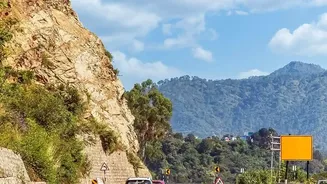
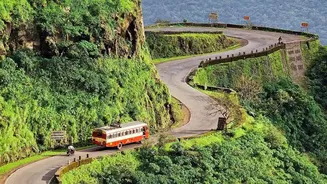
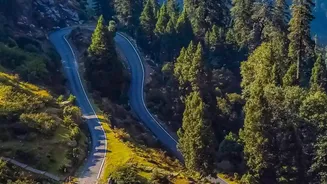
boom, often termed 'revenge travel', has pushed these beloved destinations to their breaking point. What was once a peaceful retreat now often involves hours spent in traffic just to enter the town, followed by navigating crowded mall roads and facing strained local resources. The very peace that travellers seek is often lost in the chaos of getting there, leading many to question if the journey, and the destination, are still worth it.
What's Driving the Shift?
This isn't just about avoiding traffic. A deeper, generational shift in mindset is at play. Young travellers today are driven by a desire for authenticity over performative tourism. They are less interested in ticking off a checklist of popular photo spots and more invested in unique, immersive experiences. The rise of social media has, ironically, played a dual role. While it once glorified these popular spots, it now also amplifies the ugly reality of overtourism, showcasing the long lines and environmental strain. Furthermore, a growing consciousness about sustainable travel means more people are looking for ways to explore responsibly, supporting local communities without overwhelming them.
The Allure of the Uncharted Path
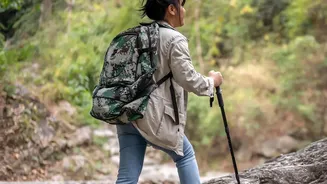
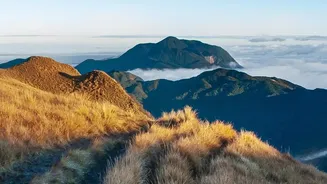
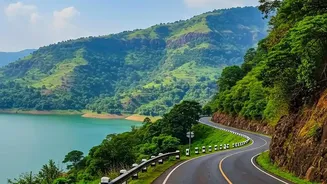
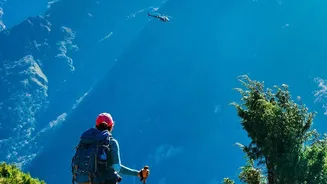
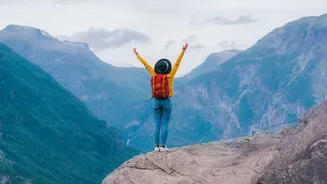
In place of the mainstream, travellers are now seeking out destinations that promise quiet, connection, and discovery. These 'offbeat' locations offer what the crowded hubs no longer can: serene landscapes, untouched local culture, and a genuine sense of adventure. The new travel currency isn't a picture at a famous viewpoint, but a story about discovering a hidden waterfall, sharing a meal with a local family, or waking up to the sounds of nature instead of car horns. This trend has been further accelerated by the 'work from mountains' culture, which allows for longer stays in more remote areas, fostering a deeper connection with the place.
Beyond Manali and Mussoorie
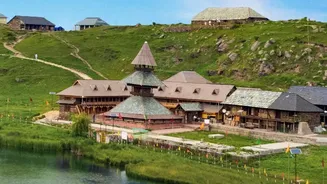
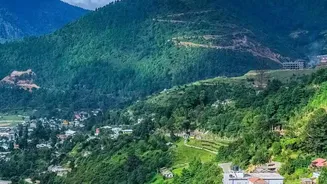
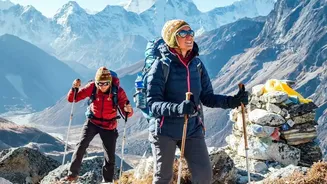
So, where is everyone going? Instead of heading straight to Shimla, travellers are exploring the quieter corners of Himachal Pradesh like the Tirthan Valley, Jibhi, or remote parts of Kinnaur. These places offer a rustic charm with homestays and small guesthouses. In Uttarakhand, the pilgrimage circuit is giving way to eco-tourism hubs and tranquil hamlets. Destinations like Chopta, once primarily known to trekkers, and Munsiyari, with its stunning Himalayan vistas, are gaining traction. The focus is on experiences—trekking through pristine forests, bird-watching, or simply enjoying the solitude of the mountains away from any commercial hustle.
A More Conscious Footprint
This shift is a double-edged sword. On one hand, it provides much-needed relief to overburdened tourist towns and spreads economic benefits to more remote communities that rely on tourism. It fosters a more sustainable model where small-scale, community-led tourism can thrive. On the other hand, it carries the risk of turning these hidden gems into the next over-touristed hotspots. The challenge for both travellers and local administrations is to manage this growing interest responsibly. The key is to ensure that the influx of visitors doesn't destroy the very authenticity and tranquillity that made these places attractive in the first place.