







Choose Your Cleanser Wisely
High humidity means your scalp produces more oil and sweat, creating a breeding ground for fungal infections and dandruff. This is not the time for heavy, ultra-moisturising shampoos. Instead, opt for a clarifying or balancing shampoo two to three times
a week to effectively remove buildup from styling products, pollutants, and excess sebum. On other wash days, a gentle, sulphate-free cleanser will suffice to clean your hair without stripping its natural oils completely. If you are prone to dandruff, consider a shampoo with an anti-fungal ingredient like ketoconazole or zinc pyrithione. A clean scalp is the foundation of healthy monsoon hair, preventing the clogged follicles that can lead to increased hair fall.
Conditioning Is Not Optional
It might seem counterintuitive to add moisture to your hair when the air is already saturated, but conditioner is your best defence against frizz. Humidity causes the outer layer of your hair, the cuticle, to swell and open up, resulting in that dreaded poofy, frizzy look. A good conditioner helps to seal the cuticle, creating a smooth surface that repels environmental moisture. The key is in the application. Avoid applying conditioner to your scalp, which can weigh down your roots and exacerbate oiliness. Instead, concentrate the product from the mid-lengths to the ends, which are the oldest and most porous parts of your hair. Let it sit for a few minutes before rinsing to allow it to fully penetrate the hair shaft.
Prioritise Scalp Health
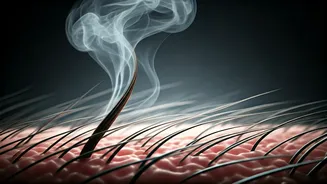
A healthy scalp is non-negotiable during the monsoon. The constant dampness can lead to itchiness, flakes, and even minor infections. Incorporating a weekly scalp treatment into your shower routine can make a significant difference. You can use a gentle scalp scrub with ingredients like salicylic acid or tea tree oil to exfoliate dead skin cells and unclog pores. This improves circulation and ensures that your hair follicles are healthy and strong. If scrubs feel too harsh, a scalp-clarifying mask or a pre-shampoo treatment can also work wonders. Think of it as a facial for your scalp—an essential step to keep the skin on your head balanced and clear, directly impacting the health and strength of your hair.
Control Your Water Temperature
The temperature of your shower water plays a surprisingly important role in hair health, especially during the monsoon. Hot water feels relaxing, but it strips your scalp and hair of essential natural oils, leaving them dry and more susceptible to frizz. Worse, it opens up the hair cuticles, inviting humidity to wreak havoc. Start your wash with lukewarm water, which is effective enough to dissolve dirt and oil without being overly harsh. After you’ve rinsed out your conditioner, finish with a blast of cold water. This final cold rinse helps to seal the hair cuticles shut, locking in the moisture from your conditioner and creating a shinier, smoother, and more frizz-resistant finish. It’s a simple trick that costs nothing but yields fantastic results.
The First Step Out of the Shower
While your in-shower routine is paramount, how you treat your hair the moment you step out is also crucial. Vigorously rubbing your hair with a coarse cotton towel is one of the fastest ways to rough up the cuticle and create instant frizz. This friction can also cause breakage, especially when your hair is in its most fragile, wet state. Instead, gently squeeze the excess water out of your hair. Then, wrap it in a soft microfiber towel or even an old, clean cotton t-shirt. These materials are much gentler and absorb water without causing friction. This simple switch ensures that all the hard work you did in the shower isn't immediately undone, setting your hair up for a successful, frizz-free style.