





What Exactly Is a 'Functional' Meal?
First, let's clear up the jargon. A 'functional' food isn't just a healthy food. It’s a food that offers specific health benefits beyond basic nutrition. Think of it as food with a job to do. This could be anything from boosting your immunity and improving
gut health to reducing stress or enhancing cognitive function. While the concept might sound new and scientific, it's deeply rooted in Indian culture. For generations, our grandmothers have been adding turmeric to milk for its anti-inflammatory properties or ajwain to parathas to aid digestion. What's changing is the intentionality and the science backing it. The new wave of functional eating is less about incidental home remedies and more about consciously building meals with targeted benefits, a trend confirmed by food industry analyses like the Godrej Food Trends Report, which highlights functional ingredients as a key driver of consumer choice.
The Drivers: Wellness Meets Modern Life
So, why now? The shift is being powered by a perfect storm of factors. The most significant is a heightened post-pandemic focus on health and immunity. Consumers are no longer passive about their well-being; they are actively seeking ways to fortify their bodies, and food is their first line of defence. Secondly, the demands of modern urban life—stress, long hours, and environmental pollutants—have created a need for food that actively counteracts these pressures. We don't just want energy; we want resilience. Finally, there's a renewed pride and interest in traditional Indian knowledge systems like Ayurveda. But this isn't a blind return to the past. Instead, consumers and brands are re-interpreting ancient wisdom through a modern, science-backed lens, looking for proven benefits in ingredients like ashwagandha, moringa, and various millets.
The New Functional Thali
What does this look like on your plate? It’s more than just a turmeric latte. The functional approach is being integrated into the very fabric of our daily meals. Your everyday roti might be made with a blend of whole wheat and ragi (finger millet) to improve dietary fibre and help manage blood sugar. The humble dal could be supercharged with moringa powder, a powerhouse of vitamins and minerals. Your mid-day snack might be a handful of makhana (fox nuts) seasoned with adaptogenic herbs instead of a packet of chips. We’re seeing a rise in breakfast cereals fortified with brahmi for cognitive support and beverages infused with ashwagandha to help the body manage stress. It's about small, intelligent upgrades that turn a regular meal into a tool for better health without sacrificing the flavours we love.
From Nani’s Kitchen to Supermarket Shelves
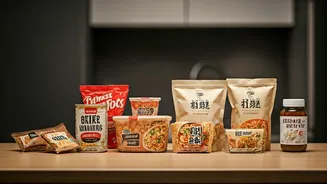
This trend isn’t just happening in home kitchens. The market is responding with incredible speed. A host of new-age startups and established FMCG giants are launching products that cater to this demand. You can now find everything from millet-based noodles and protein-rich dosa mixes to ready-to-drink herbal infusions and gut-friendly fermented beverages. This commercialization is making functional eating more accessible and convenient than ever before. It democratises wellness, moving it from the realm of specialised knowledge to an everyday choice available at your local kirana store or online grocery app. Brands are investing in educating consumers about the benefits of these ingredients, bridging the gap between traditional wisdom and modern lifestyle needs.