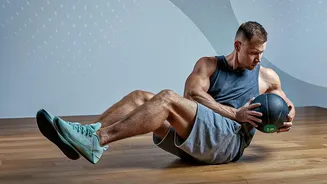







The festive season, with its joyous gatherings and delicious food, can leave our fitness routines gathering dust. If you're feeling sluggish and ready for a reset, here's how to ease back into cardio and rebuild your stamina the smart way.
Assess, Don't Assume
Before you lace
up your running shoes and attempt to pick up where you left off, take an honest look at your current fitness level. Even a few weeks of inactivity can lead to a decline in cardiovascular efficiency. Your body remembers the old routine, but your heart, lungs, and muscles need time to re-adapt. Trying to immediately hit your previous pace or duration significantly increases the risk of injury, burnout, and discouragement. Instead of letting ego drive your first few workouts, be kind to yourself. Acknowledge that your starting point is different now, and that's perfectly normal. This initial assessment isn't about judgement; it's about setting a realistic and safe foundation for the progress to come.
Embrace Low-Intensity Steady-State Cardio
Your first few weeks back should focus on consistency, not intensity. This is where Low-Intensity Steady-State (LISS) cardio becomes your best friend. LISS involves performing an aerobic activity at a comfortable, consistent pace for a sustained period, typically 30 minutes or more. Think brisk walking, light cycling, swimming, or using an elliptical where you can comfortably hold a conversation. LISS is an excellent way to rebuild your aerobic base because it improves your body's ability to use oxygen efficiently and burn fat for fuel without placing excessive stress on your joints and tissues. This gentle approach helps strengthen your heart and lungs, improves blood flow, and builds endurance sustainably, making it the perfect starting point after a break.
Follow the Rule of Gradual Progression
Once you've established a consistent routine with LISS, you can begin to apply the principle of progressive overload. This simply means gradually increasing the demands on your cardiovascular system over time to stimulate further adaptation and improvement. However, the key word is 'gradual'. A common guideline is to start at about 50-60% of your previous intensity or duration. From there, you can slowly increase one variable at a time. For example, you might add five minutes to your walk each week (increasing duration), slightly increase the incline on the treadmill (increasing intensity), or pick up your pace for a few minutes (increasing speed). Aim for small, manageable increases of about 5-10% per week, which allows your body to adapt safely without becoming overwhelmed.
Listen to Your Body's Signals
One of the most critical parts of avoiding overexertion is learning to listen to your body. While some muscle soreness is normal 24–48 hours after a new workout, persistent pain or stiffness is a red flag. Other signs of overtraining include lingering fatigue that a good night's sleep doesn't fix, mood swings, difficulty sleeping, a loss of motivation, or a plateau or decrease in your performance. If you experience any of these symptoms, it's a clear signal to scale back or take an extra rest day. Pushing through significant pain or exhaustion is counterproductive and can lead to setbacks. True progress comes from working with your body, not against it.
Prioritise Recovery and Fuel
What you do between workouts is just as important as the exercise itself. Recovery is when your body adapts and gets stronger. Ensure you're getting adequate sleep, as this is when most muscle repair and recovery occurs. Incorporating active recovery, such as gentle stretching, foam rolling, or a slow walk, can also improve blood flow and help alleviate muscle soreness. Furthermore, don't neglect proper nutrition and hydration. Your body needs fuel to perform and recover. Focus on nutrient‐dense foods to replenish your energy stores and support your body's natural processes. Staying well‐hydrated is also crucial for every bodily function, including delivering nutrients to your cells and regulating body temperature during exercise.