



A Festive Twist on Tradition
Bhai Dooj celebrates the unique bond between brothers and sisters, traditionally marked by a tilak ceremony and a delicious meal. While a platter of sweets is essential, preparing them shouldn't be a day-long affair. Enter shakarkandi ka halwa, or sweet potato
halwa. This dessert offers a wonderful alternative to more time-consuming sweets. It's naturally sweet, requires minimal ingredients, and comes together quickly, leaving you more time to spend with your family. Plus, it's often considered a healthier option, making it a guilt-free indulgence for the festive season.
The Goodness of Sweet Potato
The star of this dish, the sweet potato or shakarkandi, is a nutritional powerhouse. Sweet potatoes are naturally sweet, which means you can use less sugar than in many other halwa recipes. They are also rich in fibre and vitamins, particularly Vitamin A. Their starchy, creamy texture is perfect for creating a halwa that is soft, melts in your mouth, and has a rich consistency without much effort. Whether you use the common white-fleshed variety found in India or the orange-fleshed type, the result is a comforting and flavourful dessert.
Gathering Your Ingredients
This recipe relies on simple, readily available ingredients. You likely have most of them in your pantry already. For about four servings, you will need:
2 large sweet potatoes (about 500 grams)
2 to 3 tablespoons of ghee (clarified butter)
3 to 4 tablespoons of sugar or jaggery (adjust to taste, as sweet potatoes vary in sweetness)
½ cup of milk
½ teaspoon of green cardamom powder (elaichi)
A pinch of nutmeg (optional)
A handful of mixed nuts like almonds and cashews, chopped, for garnish
A few strands of saffron soaked in warm milk (optional, for colour and aroma)
A Simple Step-by-Step Guide
Making this halwa is a straightforward process. The key is to have everything ready before you start.
1. Cook the Sweet Potatoes: Begin by boiling or pressure cooking the sweet potatoes until they are completely tender. A pressure cooker will take about 5-6 whistles. Once cooked, let them cool slightly, then peel and mash them thoroughly with a masher or fork, ensuring there are no lumps.
2. Sauté the Mash: Heat the ghee in a heavy-bottomed pan or kadai over medium heat. Add the mashed sweet potatoes and sauté for about 5-7 minutes. Stir continuously until the raw smell disappears and the mash becomes fragrant.
3. Add Milk and Cook: Pour in the milk and continue to stir. The mixture will become loose at first. Keep cooking and stirring until all the milk has been absorbed and the mixture thickens again, starting to pull away from the sides of the pan.
4. Sweeten and Finish: Add the sugar or jaggery. As it melts, the halwa will become loose again. Continue to cook, stirring constantly, for another 8-10 minutes until it reaches a thick, glossy consistency and ghee begins to separate at the edges. Turn off the heat and stir in the cardamom powder, nutmeg, and saffron-infused milk if using.
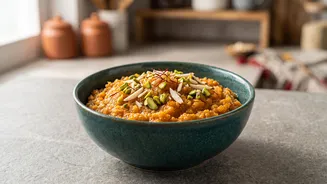
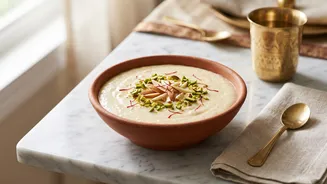
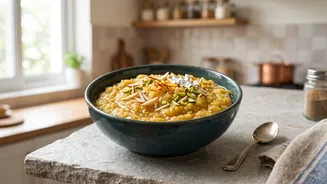
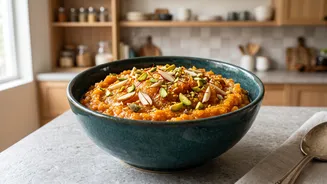
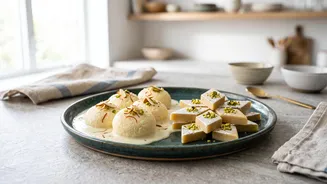
5. Garnish and Serve: Transfer the halwa to a serving bowl. Garnish generously with chopped almonds, cashews, and pistachios. Serve it warm for the best experience.
Tips for the Perfect Halwa
To elevate your sweet potato halwa, keep these simple tips in mind:
Roast Your Nuts: For extra flavour and crunch, lightly roast the chopped nuts in a little ghee before adding them as a garnish.
Don't Rush the Sautéing: The initial step of sautéing the mashed sweet potato in ghee is crucial for developing a deep, rich flavour.
Adjust Sweetness: Taste the sweet potato mash before adding sugar. Some varieties are much sweeter than others, so you may need to adjust the amount of sugar accordingly.
For a Richer Texture: For an even richer halwa, you can add a tablespoon of milk powder or khoya (milk solids) along with the milk.
* Vegan-Friendly Version: This recipe can be made vegan. Simply replace the ghee with coconut oil or another neutral oil and use a plant-based milk like almond or coconut milk.