







From Daily Bread to Daily Everything
Not long ago, the magic of quick commerce was getting milk, bread, and onions delivered to your doorstep in the time it takes to watch a YouTube video. Platforms like Zepto, Blinkit, and Swiggy Instamart built their empires on groceries and staples. But
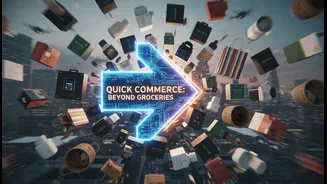
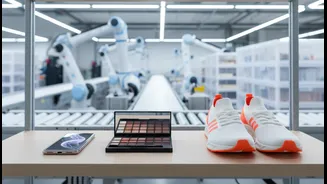
the landscape is undergoing a seismic shift. Today, non-grocery items represent a significant and fast-growing portion of quick commerce sales, accounting for nearly 25% of the total market value in some cases. This expansion includes everything from electronics accessories and beauty products to stationery, pet supplies, and even small home appliances. Zepto has seen sales for categories like toys and electronics double month-over-month, while Swiggy Instamart reports robust growth in beauty and home goods. This diversification proves that the model, initially designed for urgent grocery needs, has tapped into a much broader consumer demand for immediacy across a wide range of products.
The Psychology of 'Now'
The secret sauce isn't the expanding catalogue; it's the speed. Instant delivery has fundamentally rewired consumer expectations in urban India. What was once a novelty has become a baseline expectation for millions of shoppers. This shift is psychological. It transforms planned purchases into impulse buys, encouraging a 'buy-what-you-need-when-you-need-it' mentality over traditional bulk shopping. The promise of receiving a phone charger, a face cream, or a last-minute gift in under 30 minutes removes the friction of waiting and planning. This convenience has become so powerful that for many consumers, especially in metropolitan areas, delivery time is now a more critical factor than price or even product selection. Speed is no longer just a feature; brands are realizing it's part of the product itself.
The Indian Advantage: Why It Works Here
While 10-minute delivery models have faltered in many Western markets due to high labor costs and lower population density, India presents a unique environment for success. The country's dense urban centers make the hyperlocal 'dark store' model incredibly efficient. These small, neighborhood-based warehouses are the operational backbone, allowing platforms to fulfill orders within a few-kilometer radius at a manageable cost. Combined with relatively lower labor costs and a massive, digitally-native consumer base, the unit economics become more viable. Major players like Blinkit and Zepto operate hundreds of these dark stores, using sophisticated AI and predictive analytics to manage inventory and forecast demand, ensuring that high-demand products are always in stock and close to the customer.
New Frontiers: Beauty, Electronics, and Beyond
The expansion into new categories is creating winners in unexpected places. Beauty and personal care, in particular, has emerged as a breakout star. Analysts project it to be one of the largest online categories for quick commerce, driven by Gen Z's demand for instant gratification and trend-led products. Brands are finding that the conversion rates for beauty products on these platforms are significantly higher than on traditional e-commerce sites, fueled by impulse buying behavior. Even premium electronics are finding a place, with consumers purchasing high-value items like gaming consoles and hair styling tools, trusting the platforms for fast and authentic delivery. This indicates a maturing market where quick commerce is not just for low-cost essentials, but is becoming a trusted channel for a wider spectrum of consumer needs and wants. Projections suggest that non-food categories could command as much as 45% of quick commerce spending by 2030.