
The Myth's Green Roots
The idea that houseplants can scrub the air clean became popular thanks to a landmark 1989 NASA study. Facing the challenge of maintaining air quality in sealed space stations, researchers placed common houseplants in small, sealed chambers and injected
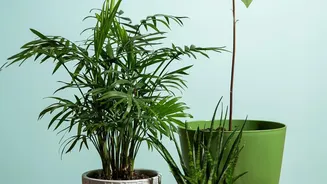
volatile organic compounds (VOCs) like formaldehyde and benzene. The results were promising: the plants did, in fact, absorb some of these harmful chemicals from the air. This single study blossomed into a widespread belief that a few potted plants could significantly improve the air quality in our homes, with specific plants recommended for their supposed ability to fight off indoor pollutants. This idea was simple, affordable, and aesthetically pleasing, making it an easy one to embrace.
From Lab to Living Room
The problem, as recent analyses have shown, is that our homes are nothing like a sealed laboratory chamber. A 2019 meta-analysis that reviewed decades of research on the topic found a critical flaw in applying the NASA findings to real-world environments. The key difference is air exchange. In a typical home or office, air is constantly being replaced through windows, doors, cracks, and ventilation systems. This natural ventilation dilutes pollutants far more effectively and rapidly than plants can absorb them. The studies concluded that to achieve the same air-cleaning effects seen in the lab, you would need an impossibly large number of plants—somewhere between 10 and 1,000 plants per square metre of floor space. That means a small 150-square-foot room could require hundreds of plants to make a noticeable difference. In short, the impact of a few houseplants is statistically insignificant compared to simply opening a window.
What Actually Cleans Your Air?
If your plant army isn't up to the task, what are the proven methods for improving indoor air quality? The most effective strategies are source control and ventilation. Source control means reducing or eliminating the products that release VOCs in the first place, such as certain air fresheners, cleaning products, paints, and even some furniture. The second, and most powerful, tool is ventilation. Regularly opening windows and doors allows fresh outdoor air to circulate, diluting and removing indoor pollutants. For those concerned about outdoor allergens or pollution, or for whom opening windows isn't practical, a high-quality air purifier with a HEPA filter is a far more effective solution. These devices are designed to filter large volumes of air quickly, with a single purifier cleaning air thousands of times faster than a single plant.
So, Should You Ditch Your Plants?
Absolutely not. While they may not be the air-purifying powerhouses we once thought, the benefits of having indoor plants are still very real. Numerous studies have shown that being around plants can reduce stress, improve mood, and boost concentration. They add humidity to dry indoor air and provide a vital connection to nature, which is especially important as we spend more of our time indoors. The aesthetic value is undeniable; plants make our living spaces more beautiful and feel more alive. The verdict on their air-purifying abilities doesn't take away from these proven psychological and social benefits. So, continue to enjoy your pothos and peace lilies—just don't rely on them to do the heavy lifting of cleaning your air.