

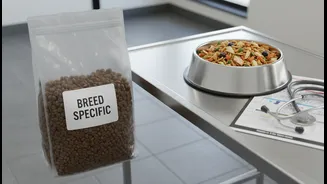




What 'Balanced' Really Means
The term “complete and balanced” isn’t just marketing jargon; it’s a standard that means the food contains all the essential nutrients your pet needs to thrive. These nutrients—protein, fats, carbohydrates, vitamins, and minerals—must be present in the correct
ratios for your pet's specific life stage. For dogs and cats, this includes high-quality proteins for muscle health, fats for energy, and the right mix of vitamins and minerals to support everything from bone health to immunity. A balanced diet is designed to be your pet's sole source of nutrition, making complicated additions or supplements unnecessary for a healthy animal.
Kibble, Wet, or Homemade: A Simple Breakdown
The debate between different food types can be confusing, but each has its place. Commercial dry kibble and wet food are the most convenient and reliable ways to provide a balanced diet, as reputable brands formulate their products based on scientific research. Dry kibble is great for dental health and convenience, while wet food is excellent for hydration, especially for cats. Homemade diets are a popular idea but are extremely difficult to get right. Without guidance from a board-certified veterinary nutritionist, homemade meals often lead to serious nutritional deficiencies or excesses. For most owners, a high-quality commercial food is the simplest and safest path to balanced nutrition.
How to Read a Pet Food Label
The pet food label is your window into what your pet is eating, but you need to know where to look. Ignore the splashy marketing terms like “holistic” or “premium,” which have no regulated meaning. Instead, focus on three key areas. First, the ingredient list, which is ordered by weight; look for a specific, named protein source like “chicken” or “beef” as one of the first ingredients. Second, the “Guaranteed Analysis,” which tells you the minimum protein and fat content and the maximum fibre and moisture. Third, and most importantly, find the nutritional adequacy statement from a body like the Association of American Feed Control Officials (AAFCO). This confirms the food is “complete and balanced” for a specific life stage, like puppy/kitten, adult, or senior.
Common Feeding Mistakes to Avoid
Many well-meaning owners fall into a few common traps. Overfeeding is the most prevalent issue, often fuelled by 'guesstimating' portions instead of using a measuring cup. The feeding guide on the bag is a starting point, but your vet can give a more accurate recommendation based on your pet’s specific needs. Another mistake is giving too many treats, which should make up no more than 10% of your pet's daily calories. Finally, avoid 'free-feeding'—leaving a full bowl of food out all day. This often leads to overeating and obesity. Scheduled meal times are better for regulating metabolism and monitoring your pet's appetite.
Your Vet: The Ultimate Nutrition Guide
When in doubt, the most valuable resource for your pet’s nutrition is your veterinarian. They are trained in animal nutrition and, more importantly, they know your pet's individual health history, age, breed, and lifestyle. While online trends and advice from friends may be well-intentioned, your vet can provide evidence-based recommendations tailored specifically to your animal. A survey showed that 90% of pet owners want dietary advice from their vet, but only a fraction feel they receive it, so don't be afraid to bring it up. Asking “Is this the right food for my pet?” is one of the best questions you can ask to simplify feeding and ensure their long-term health.