




What Exactly Is a ‘Sky Meet’?
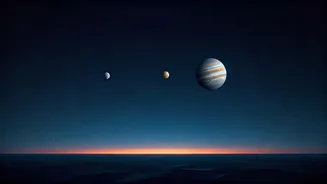
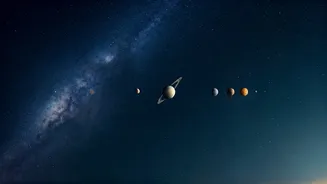
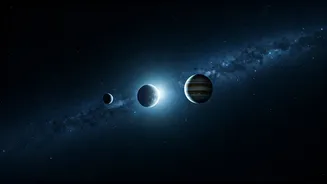
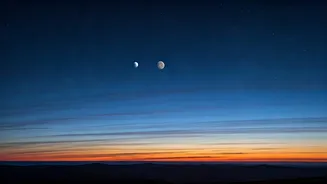
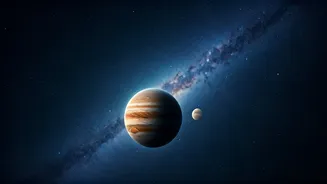
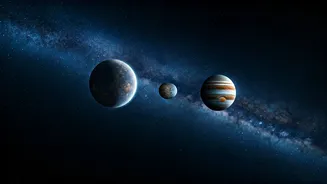
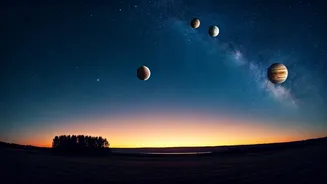
In astronomy, this beautiful gathering is called a conjunction. It happens when two or more celestial objects, like planets, appear to be very close to each other in the sky from our perspective on Earth. They aren’t actually about to collide—they are still
millions of kilometres apart! It’s more like a cosmic photo opportunity, a line-of-sight trick that creates a stunning visual for us on the ground. These events aren’t just beautiful; they have captivated humans for millennia, often seen as omens or special markers in time. This particular meet-up is exciting because it involves three distinct and bright planets, offering a richer spectacle than a simple two-planet conjunction.
Meet the Planets
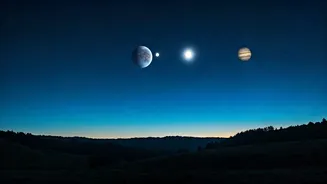
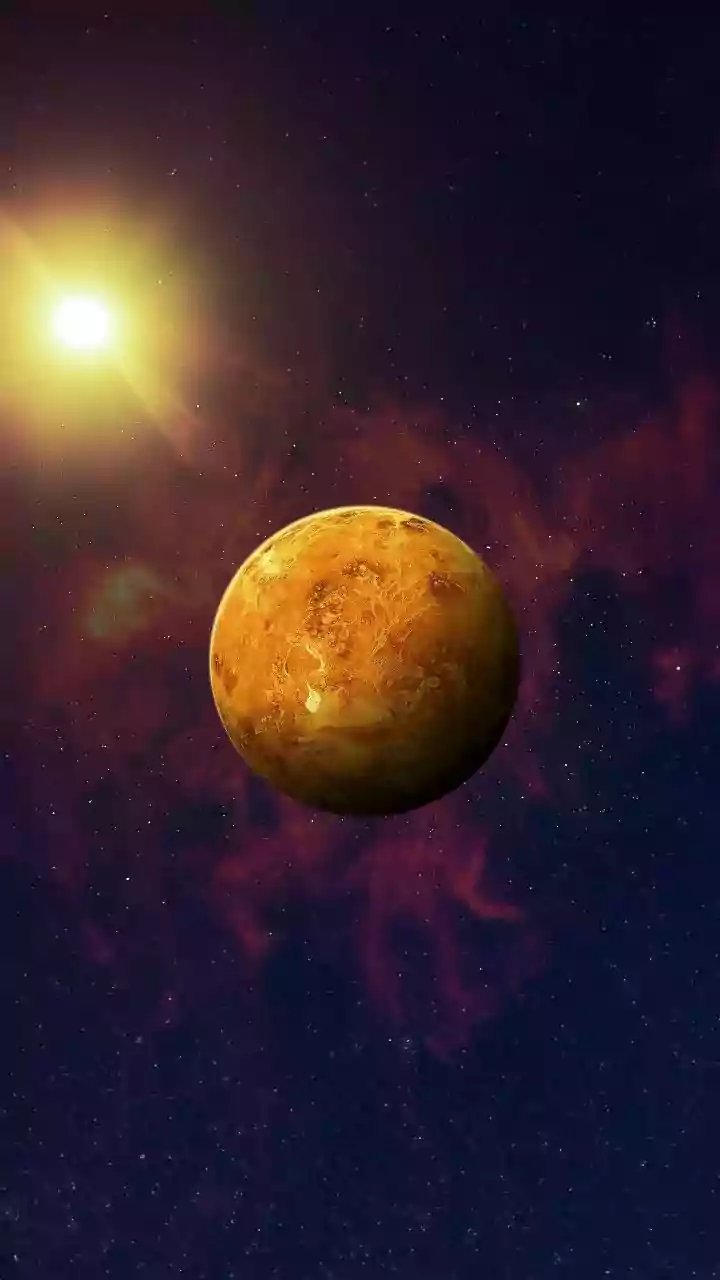
Think of this as a celestial party with three very different guests of honour. First, there's Venus, the brightest ‘star’ in our evening or morning sky. Often called the 'Evening Star' or 'Morning Star', its brilliant, steady light is impossible to miss. Then we have Jupiter, the king of planets. While not as dazzlingly bright as Venus, it’s still one of the brightest objects in the night sky and shines with a powerful, regal glow. The third guest is Mercury, the most elusive of the trio. Because it orbits so close to the Sun, we can only ever see it for a short time during twilight, just before sunrise or after sunset. Spotting Mercury is a rewarding challenge for any sky-watcher, and having Venus and Jupiter nearby as bright signposts makes it much easier.
When and Where to Look
Timing and direction are everything for a successful viewing. These planetary gatherings are typically best viewed during a specific window just after sunset or just before sunrise. For this event, you will want to find a spot with an unobstructed view of the western horizon. The best time to start looking will be about 30 to 45 minutes after the sun has fully set. The sky will be dark enough to see the planets, but they won't have dipped below the horizon yet. Venus will likely pop into view first, being the brightest. Jupiter will follow, and as your eyes adjust to the deepening twilight, you should be able to spot the faint point of light that is Mercury, likely positioned closest to the horizon. The planets will appear as a tight cluster or a rough line in the sky.
Your Sky-Watching Toolkit
The best part about this event is its accessibility. You don’t need any fancy equipment. Your naked eyes are your primary tool, and they are more than enough to appreciate the sight. However, if you have a pair of binoculars, bring them along! Binoculars will not only make the planets appear brighter and sharper but might also reveal some of Jupiter's four largest moons, which look like tiny pinpricks of light huddled close to the giant planet. For a tech-savvy assist, consider downloading a free stargazing app like Stellarium, SkyView Lite, or Star Walk. Simply point your phone at the sky, and the app will identify the planets for you, making the search foolproof.
Tips for City Dwellers
Living in a bustling Indian city with its haze and light pollution can be frustrating for stargazers, but don't lose hope. You can still catch the show. The key is to minimise the glare of city lights. Try to find an open space like a park, a sports ground, or even the rooftop of a tall building. The higher your vantage point, the better your chance of seeing over nearby buildings and the worst of the low-lying street light glare. Give your eyes at least 10-15 minutes to adjust to the darkness away from your phone screen. This will dramatically improve your ability to spot fainter objects like Mercury. Even with light pollution, Venus and Jupiter are so bright they often punch right through the urban glow.