






The Digital Nomad’s Dilemma
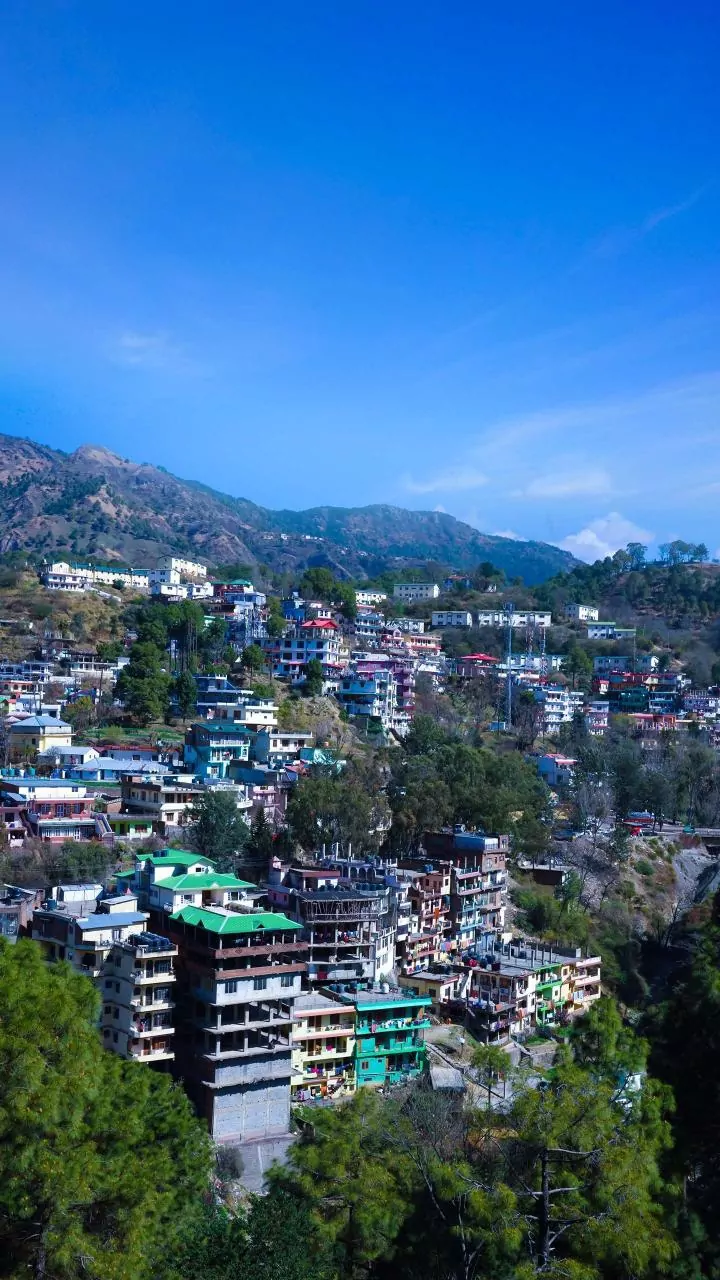
For years, Rishikesh has been a global hub for yoga and spiritual seekers. Recently, it has transformed into a hotspot for digital nomads and remote workers drawn by its low cost of living and tranquil atmosphere. However, the town's mountainous terrain
historically posed a significant challenge: notoriously unreliable internet. For a remote professional, spotty Wi-Fi during a video call or a dropped connection during a file upload isn't just an inconvenience; it's a threat to their livelihood. This connectivity gap was the single biggest hurdle preventing Rishikesh from becoming a true work-from-anywhere paradise.
The Fibre Optic Revolution
The game-changer for Rishikesh was the arrival of high-speed fibre optic infrastructure. National providers like JioFiber and Airtel, along with strong local players like Laxn Broadband, laid down the groundwork, bringing fast and stable internet to the region for the first time. Unlike older copper or wireless technologies, fibre optics transmit data using light, making them significantly faster and less prone to interference from weather, which is crucial during the monsoon season. This technological leap provided the essential raw material that co-living operators needed to build their reliable networks, with some spaces now boasting speeds up to 1Gbps.
Building a Redundant Network
Smart co-living and coworking operators in Rishikesh know that a single fibre line isn't enough to guarantee 100% uptime. To achieve true reliability, they employ a strategy of redundancy. This means they subscribe to multiple internet service providers (ISPs) simultaneously. For instance, a space might use a primary line from JioFiber and have a secondary business line from a local provider like Laxn Broadband as a backup. They then use specialized hardware like dual-WAN routers to manage these connections. If the primary connection fails, the system automatically switches to the backup ISP in seconds, ensuring that residents experience uninterrupted service. This 'failover' system is the secret sauce to providing corporate-grade reliability.
The Economics of Scale
Subscribing to multiple high-speed business internet plans sounds expensive, so how does it fit into a 'budget' package? The answer lies in the principle of economies of scale. An individual renting an apartment would find it costly to pay for two separate fibre connections. However, a co-living space with dozens of residents can purchase high-tier business plans and distribute that cost across all its members. By bundling the cost of Wi-Fi with accommodation, utilities, and other amenities, the per-person price remains affordably low. Monthly rates for co-living in Rishikesh can range from approximately ₹12,500 to ₹60,000 ($150 to $700), which is highly competitive. This shared-cost model makes enterprise-level internet accessible to individual freelancers and remote workers.
What to Expect and What to Ask
When choosing a co-living space in Rishikesh, it's important to look beyond a simple 'free Wi-Fi' promise. Ask operators about their internet setup. Do they have fibre optic service? Do they use multiple ISPs for redundancy? What are the typical speeds you can expect? Most reputable spaces catering to digital nomads now offer average speeds between 40 and 100 Mbps, which is more than enough for video conferencing, streaming, and large downloads. They also invest in good-quality routers and multiple access points to ensure strong signal strength throughout the property, from coworking areas to private rooms and even rooftop cafes.