


Beyond the White Tablecloth
For decades, fine dining followed a familiar script: hushed tones, crisp white linens, and a kitchen hidden behind swinging doors. The chef was a mysterious artist, their work appearing as if by magic. Today, that wall is coming down. Chef-led experiences
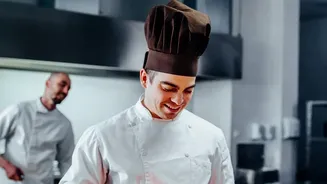
are built around transparency and interaction. Formats like chef's counters, open kitchens, and exclusive chef's tables put the culinary process on full display. Diners are no longer just consumers; they are guests invited into a creative space, able to watch the technique and artistry unfold. This format transforms a meal into an immersive event, blending performance with education. The focus shifts from passive reception to active engagement, where the sizzle, aromas, and plating are all part of the main event.
The Search for Authenticity and Connection
This shift is driven by a powerful demand from both diners and chefs. In an increasingly digital world, diners are seeking genuine connection and memorable moments. Post-pandemic, the desire for meaningful social activities has amplified, making intimate gatherings feel more luxurious than crowded spaces. Research shows a significant percentage of diners now prioritise the overall experience—including service, ambiance, and cultural touches—over just the food itself. For chefs, this model offers a new form of creative freedom. It allows them to escape the immense pressures of large-scale traditional restaurants and build a more direct, personal relationship with their patrons. It's a chance to build a brand around a specific philosophy, free from formulaic constraints.
The Chef as Storyteller
In these intimate settings, the chef becomes more than a cook; they become a curator and a storyteller. The menu transforms into a narrative, with each dish representing a memory, a journey, or a tribute to a specific region or ingredient. This is particularly resonant in India, where chefs are increasingly exploring the country's vast regional diversity. Rather than a generic globalised menu, they present dishes rooted in the heritage of places like Kerala, Kashmir, or Bengal, explaining the context and history behind each flavour. This narrative approach makes diners feel like they're part of something special and authentic, connecting them to the food on a deeper, more emotional level. The meal is no longer just sustenance; it's a cultural discovery.
A New Definition of Luxury
These experiences are redefining the very meaning of luxury in dining. It's no longer solely defined by opulent decor or rare, expensive ingredients. The new luxury is about access, intimacy, and exclusivity. It's the privilege of having a world-class chef prepare a meal for a small group, sharing their inspiration and techniques directly. This sense of a unique, unrepeatable event is something diners are increasingly willing to invest in, with chef's table formats often commanding higher price points. This trend suggests luxury is becoming more personal and less performative, valuing a genuine connection and a behind-the-scenes glimpse over impersonal grandeur.
Is This the End of Grand Restaurants?
While chef-led concepts are booming, it doesn't spell the end for traditional grand dining rooms. Rather, it signals an evolution. The rise of intimate, personal dining is influencing the entire industry, encouraging all restaurants to think more about storytelling and guest engagement to stay relevant. Large restaurants will continue to thrive, particularly for celebrations and corporate events, but they now exist alongside a powerful and permanent new segment of the industry. The chef-led experience is not just a fleeting trend; it's a fundamental shift that has diversified the landscape of fine dining, proving that the most powerful flavour is often a personal connection.