




In the hustle of urban life, finding space for health and relaxation can feel like a luxury. But your local park offers a powerful, free, and accessible solution for both your body and mind, transforming how we approach daily well-being.
Your Free, Open-Air Gymnasium
Forget expensive
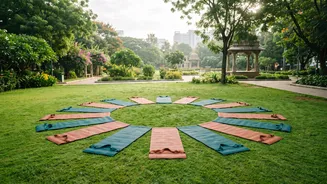
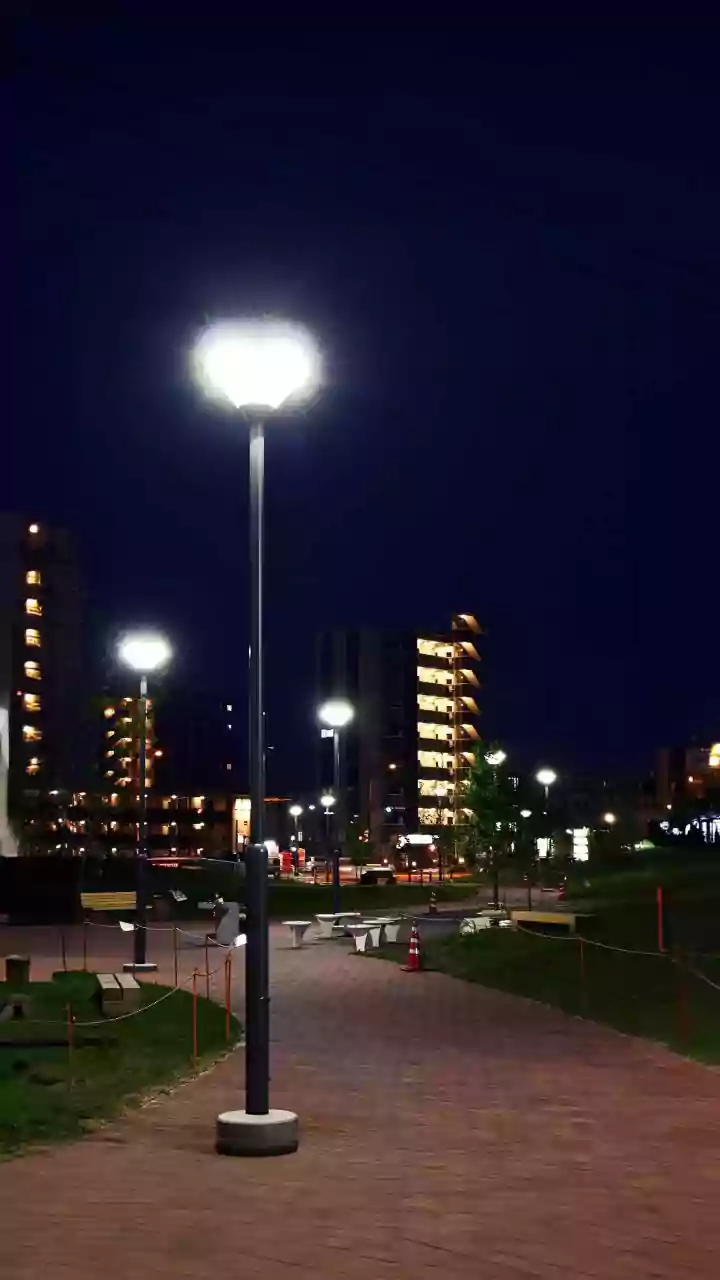
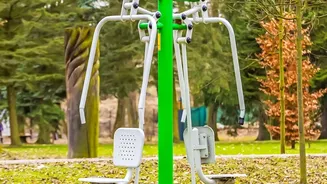
gym memberships. Cities across India are increasingly transforming parks into dynamic fitness zones by installing free-to-use outdoor gym equipment. These open-air facilities often feature a range of machines, from air walkers and ellipticals to leg presses and pull-up bars, allowing for a full-body workout. The idea is to provide accessible fitness stations for everyone, regardless of income or fitness level. With instructions often displayed on the equipment, they are designed for simple and intuitive use. Beyond the formal equipment, parks provide ample space for jogging, brisk walking, and bodyweight exercises like calisthenics. Paved pathways offer a safe environment away from traffic, while open lawns become impromptu yoga studios for countless residents seeking fresh air and a connection to nature.
More Than Movement: A Sanctuary for the Mind
The benefits of green spaces extend far beyond physical fitness. Research consistently shows that spending time in nature is a potent stress reliever. As little as 20 minutes in a park can significantly lower levels of cortisol, the body's primary stress hormone. These urban oases provide a crucial psychological break from the sensory overload of city life, helping to reduce anxiety and fight mental fatigue. Activities like sitting on a bench with a book, practising mindfulness, or simply watching the world go by allow for mental restoration. Studies have shown that access to green space is linked to lower rates of depression and an overall improvement in mood and cognitive function.
Designing for True Accessibility
A key aspect of modern park design is a growing focus on inclusivity for people of all ages and abilities. Accessibility is about more than just being free to enter; it's about ensuring everyone can navigate and use the space comfortably and safely. This includes features like wide, paved pathways to accommodate wheelchairs and strollers, ramps instead of stairs, and accessible playground equipment. The concept of Universal Design is being applied to ensure parks are welcoming to senior citizens, children, and individuals with mobility challenges. Some inclusive playgrounds even incorporate sensory elements, such as tunnels with varied textures and colours, and equipment designed to be used without transferring from a wheelchair, ensuring that play and recreation are shared experiences for all.
A Hub for Community and Connection
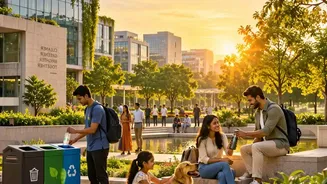
Parks are natural gathering places that strengthen community bonds. They serve as a 'third place' outside of home and work where neighbours can connect, reducing feelings of loneliness and isolation that are common in urban environments. From morning walking groups and children's playdates to community festivals and outdoor classes, these spaces foster social cohesion. Simply by being there, you become part of a shared public life, creating a sense of belonging. This social interaction is vital for mental well being and helps build safer, more connected neighbourhoods where people look out for one another.
Effortless Leisure and Family Fun
Beyond structured exercise, green spaces are the ultimate destination for simple, cost‐free leisure. They provide a backdrop for family picnics, a safe area for children to run and play, and a quiet spot for bird‐watching or quiet contemplation. In an increasingly digital world, parks offer a chance to disconnect from screens and reconnect with the real world. They provide an environment for unstructured play, which is crucial for childhood development, sparking imagination and physical coordination. For adults, this unstructured time is just as important, offering a chance to relax and recharge without a plan or a goal, which is a rare and valuable commodity in modern life.