


Swap Simple Grains for Energising Flours
During Sawan, regular grains like wheat and rice are avoided. This is an excellent opportunity to embrace nutrient-dense alternatives like kuttu (buckwheat), rajgira (amaranth), and singhara (water chestnut) flour. Kuttu, for instance, is a powerhouse
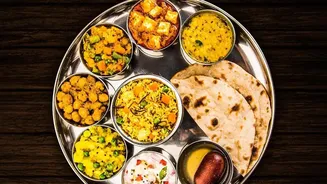
of protein, fibre, and minerals like magnesium. Unlike simple carbs that cause a quick energy crash, these flours have a lower glycemic index, providing a steady release of energy. Instead of deep-fried puris, try making soft rotis or cheelas from these flours to pair with a simple potato sabzi. Rajgira is particularly rich in protein and calcium, making it a wonderful addition to your vrat diet.
Rethink Your Reliance on Sabudana
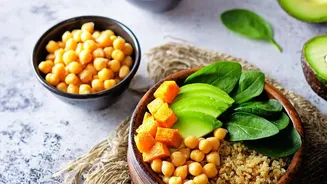
Sabudana khichdi is a fasting classic, and for good reason—it provides a quick burst of energy from its high carbohydrate content. However, it's a rapidly digestible starch that can lead to energy spikes followed by slumps if not prepared mindfully. To make it more balanced, always combine it with healthy fats and protein. Adding a generous amount of roasted peanuts to your khichdi provides protein and healthy fats, which slow down digestion and lead to more sustained energy. Cooking sabudana with vegetables like potatoes and tempering it with ghee and cumin also adds nutritional value.
Embrace the Power of Samak Rice
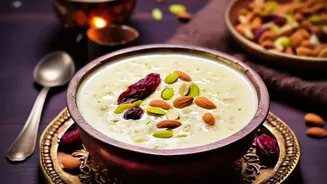
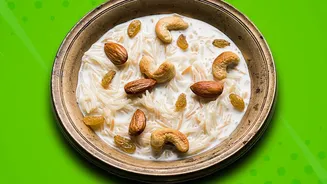
Often called barnyard millet, samak rice is another permitted grain-like seed that is perfect for Sawan fasting. It's light on the stomach, naturally gluten-free, and has a better nutritional profile than many refined grains. Samak rice is rich in fibre and protein, which helps in providing sustained energy and keeping you feeling full for longer. It also has a lower glycemic index compared to white rice, which aids in better blood sugar management. Prepare it as a simple pulao with vrat-friendly vegetables like potatoes and bottle gourd, or make a comforting kheer for a wholesome meal.
Make Smart Snacking a Priority
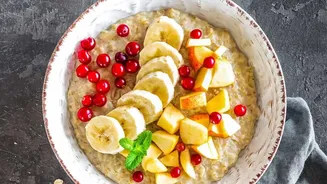
Mid-day energy slumps are common during fasting. Instead of reaching for fried snacks, opt for smarter choices. Makhana (fox nuts) are an excellent option. They are light, crunchy, and packed with protein, calcium, and antioxidants. A simple bowl of roasted makhana can be a satisfying and energising snack. A handful of nuts like almonds and walnuts provides healthy fats and protein that keep hunger at bay. A fresh fruit chaat is another great choice, offering natural sugars, vitamins, and hydration.
Don't Underestimate Dairy and Vegetables
Dairy products like milk, curd (yoghurt), and paneer are permitted during Sawan and are fantastic sources of protein and calcium. Protein is crucial for satiety and preventing muscle fatigue. A bowl of curd can be incredibly refreshing and cooling, while paneer can be lightly sautéed with rock salt and black pepper for a filling meal. Vegetables such as potatoes, sweet potatoes, and bottle gourd are also allowed. Sweet potatoes are an excellent source of complex carbohydrates and fibre, providing long-lasting energy. Try making a sweet potato chaat or simply have boiled potatoes with a sprinkle of rock salt.
Hydration is Non-Negotiable
Often, what feels like hunger is actually dehydration, which is a major cause of fatigue. Throughout the day, ensure you are sipping on water, coconut water, or homemade buttermilk (chaas). Staying properly hydrated is one of the simplest yet most effective ways to maintain your energy levels and feel your best while fasting. Avoid sugary drinks and stick to natural, refreshing fluids to support your body's needs during this sacred month.