





A City With No Room to Grow
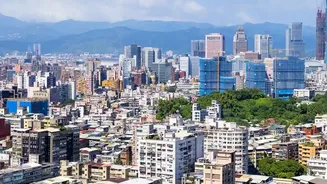
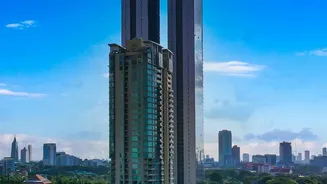
Mumbai's fundamental challenge is its geography. As an island city, it cannot expand outwards. With virtually no large, empty land parcels left for new projects, the city's real estate market has had to look inward and upward. This physical constraint
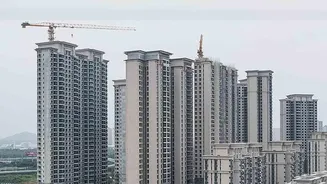
makes redevelopment—the process of replacing old structures with new, taller, and denser ones—an essential strategy for creating new homes. It has evolved from a niche opportunity into what some experts call an "urban survival imperative" to meet the ever-growing demand for housing in India's financial capital.
The Government's Policy Push
The surge in redevelopment is heavily backed by government policy. Successive state governments have introduced regulations designed to make these projects more feasible and financially attractive. The most critical tool is the Floor Space Index (FSI), which dictates how much can be built on a plot of land. Policies like the Development Control and Promotion Regulations (DCPR) 2034 offer significantly higher FSI—sometimes up to 4.0—for redevelopment and slum rehabilitation projects, far exceeding the base FSI for new builds. These incentives allow developers to construct more saleable area, making the complex process of redevelopment profitable. The Maharashtra State Housing Policy further encourages this trend, explicitly aiming to redevelop old buildings to improve living conditions and optimize land use.
An Economic Model That Works
At its core, redevelopment presents a compelling economic proposition. For developers, it provides access to prime land without the exorbitant cost of outright acquisition. For residents of old, often dilapidated buildings, it offers the promise of a brand-new, larger, and safer home in the same location, typically for free, along with a corpus fund and rent for temporary accommodation. The developer finances this by using the incentive FSI to build extra flats that can be sold on the open market. This model turns aging properties into valuable assets. Recent data shows homebuyers are actively choosing these projects, with redevelopment's share of total housing sales jumping to 15% in 2025-2026 from just 6% between 2016 and 2021.
The Pressing Need to Rebuild
Beyond economics, there is a pressing safety issue. Mumbai has thousands of old and cessed buildings, many of which are structurally unsound and declared dangerous. There are an estimated 13,500 cessed buildings alone that require urgent replacement. For the families living in these crumbling structures, redevelopment is not a choice but a necessity for a safer life. Similarly, the city is tackling slum rehabilitation on an unprecedented scale. Active slum redevelopment projects now cover nearly four times the total area completed in the 30 years since the Slum Redevelopment Authority (SRA) was formed, transforming vast tracts of the urban landscape.
The Challenges on the Ground
Despite the clear drivers, redevelopment is fraught with complexity and risk. Projects are notorious for long delays, sometimes stretching over a decade from conception to completion. Securing consent from all residents, navigating a labyrinth of approvals from multiple authorities, and managing the logistics of temporary relocation are significant hurdles. Financial mismanagement, disputes between residents and developers, and shifting regulations can stall projects, leaving families in limbo for years. This complexity is why, despite the massive potential, successful execution requires immense expertise, transparency, and trust among all stakeholders involved.