
Many of our most beloved comfort foods, from fluffy idlis to tangy dahi, are not just delicious staples but also powerhouses of nutrition. These traditional Indian dishes undergo a magical process—fermentation—that can transform your gut health.
The Gut: Your Body's Second Brain
Before
we dive into the delicious world of fermented foods, let's talk about the gut. Your digestive tract is home to trillions of microorganisms, including bacteria, viruses, and fungi, collectively known as the gut microbiome. This complex ecosystem is crucial for your overall well-being. A healthy gut microbiome aids in digestion, helps your body absorb essential nutrients, regulates your immune system, and can even influence your mood and mental health. When the balance of these microbes is disrupted, it can lead to various issues, from digestive discomfort to wider systemic problems. Maintaining a diverse and balanced gut flora is one of the keys to long-term health.
The Ancient Magic of Fermentation
Fermentation is a natural process where microorganisms like yeast and bacteria break down carbohydrates—such as starch and sugar—into other substances like acids or alcohol. In Indian cuisine, this process is responsible for creating the unique flavours and textures of many regional delicacies. But the benefits go far beyond taste. During fermentation, these beneficial microbes, also known as probiotics, multiply. When you consume these foods, you introduce these friendly bacteria into your gut, helping to restore and maintain a healthy balance. This process also pre-digests the food, breaking down complex compounds into simpler forms that are easier for your body to absorb.
India's Fermented Superstars
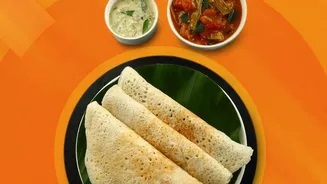
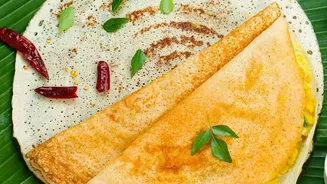
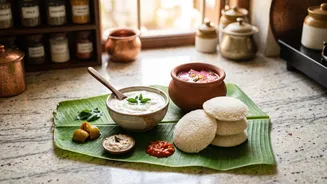
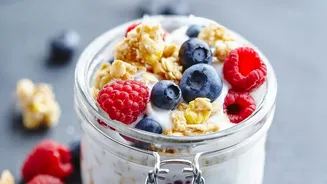
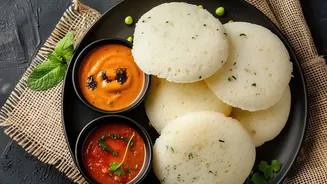
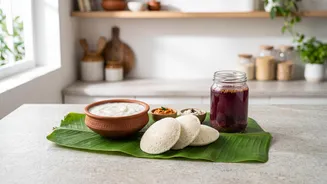
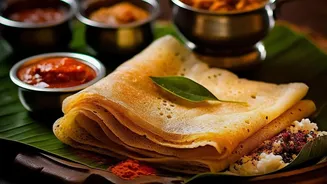
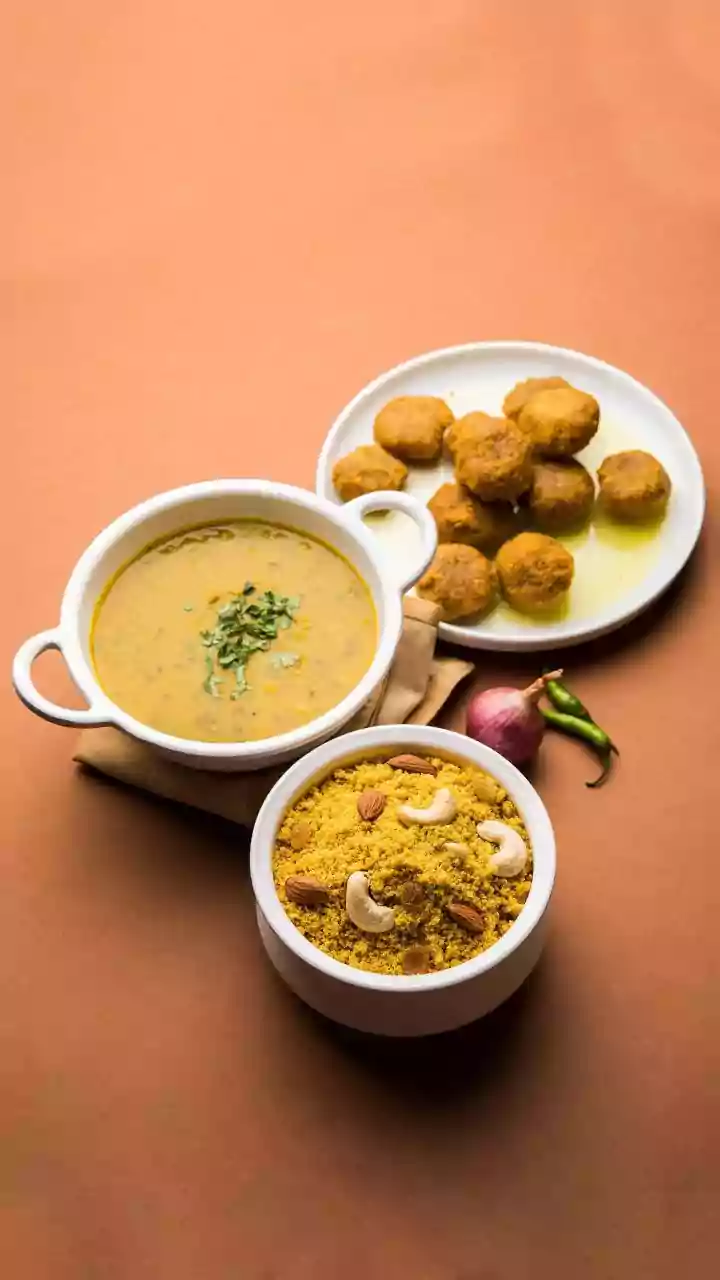
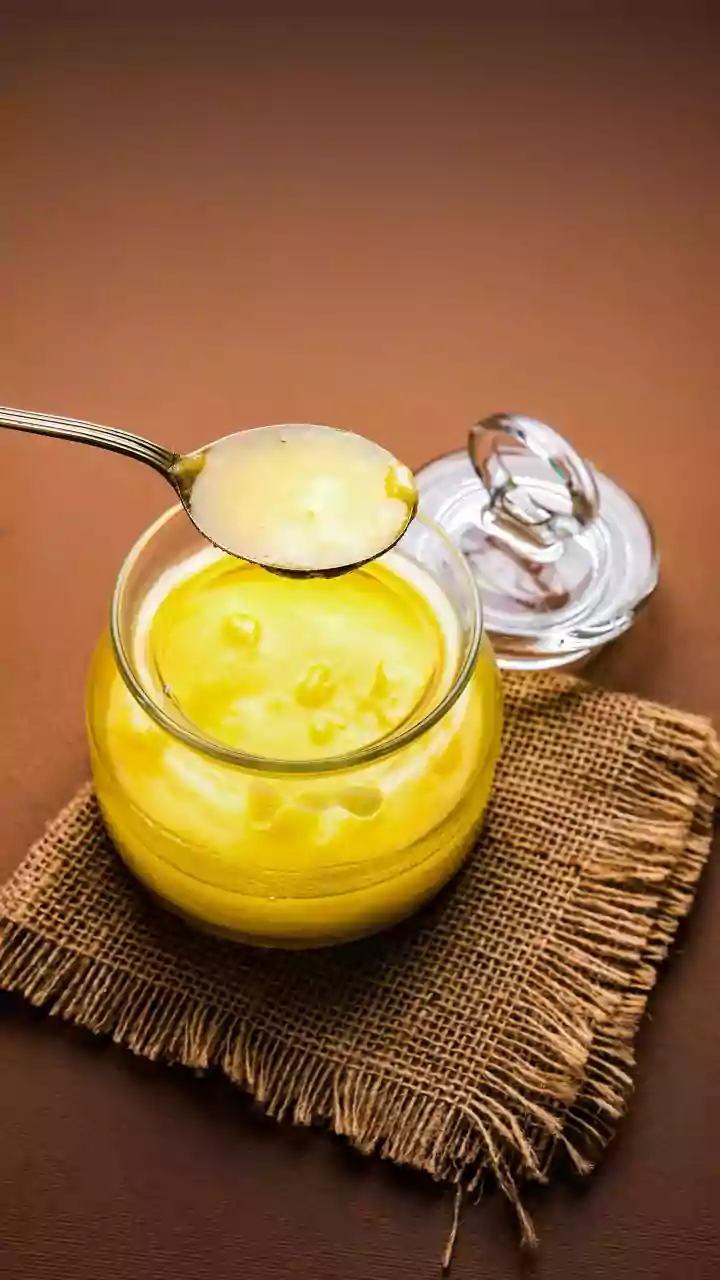
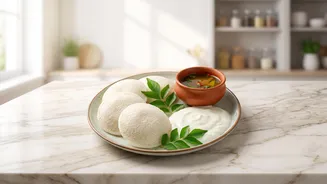
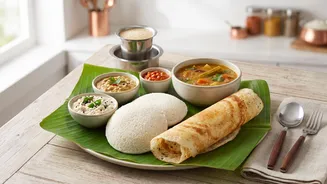
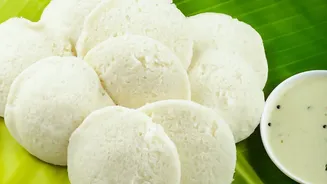
Indian cuisine is brimming with fantastic fermented options that are likely already in your kitchen. Idli, Dosa, and Dhokla: These popular dishes, made from fermented batters of rice, lentils, or chickpea flour, are prime examples of gut-friendly foods. The fermentation process not only makes them light and fluffy but also breaks down anti-nutrients like phytic acid. This enhances the bioavailability of crucial minerals like iron, calcium, and zinc, meaning your body can absorb more of the good stuff. Dahi (Curd): A staple in almost every Indian household, homemade dahi is a fantastic source of probiotics like Lactobacillus. Regular consumption helps support the gut lining, can ease digestive issues, and contributes to a balanced microbiome. Pickles (Achaar) and Kanji: Traditionally prepared Indian pickles, which are fermented in salt and sunlight rather than vinegar, are teeming with beneficial bacteria. Similarly, Kanji, a tangy North Indian drink made from fermented black carrots or beets, is a probiotic-rich beverage that supports digestion. It's important to note that many commercial, vinegar-based pickles are not fermented and do not offer the same probiotic benefits.
The Link to Satiety and Feeling Full
Beyond digestion, fermented foods can also play a role in how full and satisfied you feel after a meal. This feeling, known as satiety, is complex and influenced by various hormones. Some research suggests that consuming fermented foods can help regulate hunger hormones like ghrelin. The probiotics in these foods, along with the shortchain fatty acids (SCFAs) produced during fermentation, can send signals to the brain that promote a sense of fullness. Furthermore, the fibre and protein content in dishes like idli and dosa, combined with their easier digestibility, contribute to slower gastric emptying, helping you feel satisfied for longer and potentially reducing cravings.
Incorporating More Fermented Goodness
Making fermented foods a daily habit is simpler than you might think. Start your day with idli or dosa for a nutritious, gutfriendly breakfast. Incorporate a bowl of dahi with your lunch or blend it into a refreshing chaas (buttermilk). When choosing pickles, opt for traditionally made, naturally fermented varieties to ensure you're getting those live cultures. Pairing these probioticrich foods with prebiotic foods—like garlic, onions, and bananas—can further enhance their benefits, as prebiotics act as food for the good bacteria in your gut. By embracing these traditional culinary practices, you are not just enjoying a delicious meal; you are actively nurturing your internal ecosystem.