








The Unique Charm of Nilgiri Tea
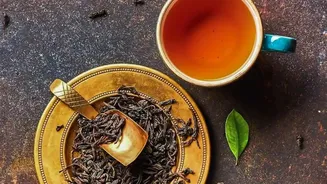
Often overshadowed by its more famous cousins from Assam and Darjeeling, Nilgiri tea is a hidden gem from the Blue Mountains of Southern India. Grown in the Western Ghats, its flavour is distinctively aromatic, fragrant, and light, with delicate floral
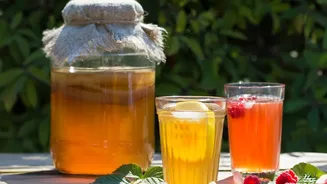
and fruity notes. Crucially, Nilgiri tea has a lower concentration of tannins, which means it rarely tastes bitter, even if steeped a little longer. This smooth, mellow, and subtly sweet profile makes it an ideal canvas for other flavours to shine. Another key advantage, especially for chilled drinks, is that Nilgiri tea doesn't get cloudy when cooled, resulting in a beautifully clear, golden liquid that looks as good as it tastes.
Why Cold Brewing Is a Game-Changer
The real magic happens when Nilgiri tea is cold-brewed. This gentle process involves steeping tea leaves in cold water for an extended period, typically between 8 to 12 hours. Unlike hot water, which can extract bitter-tasting tannins, cold water coaxes out the softer, sweeter notes of the tea. The result is an incredibly smooth, naturally sweet, and less acidic brew that forms the perfect base for a fruit infusion. This method preserves the delicate aromatics of the Nilgiri leaves while ensuring the final drink is crisp and refreshing, without any harshness. It’s a low-effort technique with a high-reward payoff, yielding a premium-tasting tea that’s ready for customisation.
A Simple Guide to Your First Brew
Making your own Nilgiri cold brew is remarkably simple. You don't need any special equipment—a large jar or pitcher will do perfectly. As a starting point, use about 4-5 grams of loose-leaf Nilgiri tea for every litre of cold, filtered water. Combine the tea and water in your container, give it a gentle stir, and place it in the refrigerator. Let it steep for at least 8 hours, or overnight for a more robust flavour. In the morning, simply strain the leaves out. You can adjust the ratio of tea to water based on your preference for strength. The finished product is a clean, smooth concentrate ready to be transformed into a variety of delicious drinks.
Perfect Pairings with Seasonal Indian Fruits
The true creativity begins when you introduce seasonal fruits. The versatility of Nilgiri tea means it pairs wonderfully with a wide range of Indian produce. During the monsoon months, consider stone fruits like peaches, plums, or pears. Their juicy sweetness beautifully complements the tea's briskness. For a bright, zesty kick, add slices of Nagpur oranges or the fragrant rind of a Gondhoraj lime, which enhances the tea's natural citrus undertones. In winter, Mahabaleshwar strawberries or pomegranates can create a stunningly flavourful brew. For a truly tropical experience during the summer, try adding chunks of ripe mango or lychee.
Tips for Building Your Drink
To get the most flavour, always use fresh, ripe fruit. For harder fruits like apples or pears, slice them thinly to increase the surface area for infusion. Softer fruits like berries and peaches can be gently muddled or crushed to release more of their juice and essence before adding the tea. You can create a simple fruit-infused tea by adding your chosen fruit to the cold brew and letting it sit for another hour or two. For a refreshing mocktail, pour the infused tea over ice and top with a splash of sparkling water and a squeeze of lime. If you’d like to turn it into a cocktail, the floral notes of gin or the smoothness of a light white rum work exceptionally well with the Nilgiri and fruit combination.