



The Comfort of Classics
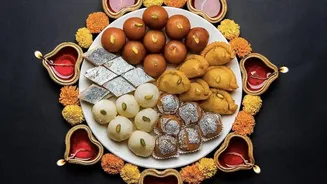
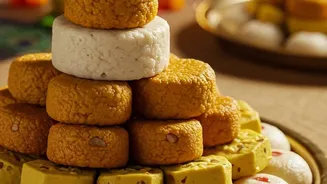
For millions of Indians, Diwali is incomplete without the familiar taste of nostalgia. This is why, despite a wave of new trends, the classics remain the undisputed kings of the festive season. Sweets like Motichoor Ladoo, with its tiny, ghee-soaked pearls,
and the diamond-shaped Kaju Katli, are non-negotiable staples. These sweets are not just food; they are memories wrapped in tradition, shared with neighbours and gifted to family. Other mainstays include the flaky Soan Papdi, syrupy Gulab Jamun, and rich Besan Ladoos. Sweet shop owners know that these items form the backbone of their Diwali sales, representing a taste of home that customers return for year after year.
A Nod to Health and Wellness
In recent years, a significant shift has occurred in the Indian palate, with a growing demand for healthier alternatives. Sweet shops have responded enthusiastically to this trend. Menus now prominently feature sugar-free options, or sweets made with natural sweeteners like jaggery, dates, and honey. These 'healthy mithai' often incorporate nutritious ingredients such as oats, ragi, nuts, and seeds, moving away from refined flour and sugar. Options like Anjeer Barfi (fig fudge) and Date and Nut Ladoos are becoming increasingly popular, catering to diabetic customers and the health-conscious without sacrificing the festive spirit. This evolution shows that indulgence and well-being can go hand in hand.
The Rise of Fusion Flavours
Perhaps the most exciting adaptation in Diwali menus is the explosion of fusion sweets. Here, Indian mithai gets a global makeover, blending traditional recipes with international dessert concepts. Confectioners are experimenting with bold combinations, resulting in creations like Rasmalai Tres Leches Cake, Motichoor Cheesecake, and Gulab Jamun Tiramisu. Chocolate has become a major player, with sweet makers crafting everything from chocolate-coated barfis to Parle-G Biscoff fudge and even Dairy Milk caramel gajar halwa truffles. Flavours like paan, rose, orange, and coffee are being infused into classic sweets, creating a sophisticated and surprising taste experience for a younger, more adventurous generation.
Gifting Gets a Gourmet Makeover
Diwali gifting is a huge tradition, and sweet shops have elevated their presentation to match. It's no longer just about the sweets inside; the packaging is now an integral part of the experience. Many shops offer luxurious, pre-packaged gift hampers and customisable boxes that are both beautiful and hygienic. There's a noticeable trend towards 'petite sweets'—smaller, exquisitely crafted mithai that resemble fine chocolates, allowing for variety in a single box. Some sweet makers are even creating 'mithai charcuterie boards', aesthetically arranging a variety of traditional and fusion sweets for parties and gatherings. This focus on presentation transforms a simple box of sweets into a memorable, high-end gift.
Behind the Scenes: The Festive Rush
For sweet shops, the Diwali season is a massive operational challenge that accounts for a significant portion of their annual revenue. Preparations begin weeks, sometimes months, in advance. This involves hiring extra staff, planning meticulously to manage the supply chain for key ingredients like milk, khoya, and sugar, and anticipating demand to avoid stockouts. The high demand for milk-based ingredients also brings the risk of adulteration from suppliers, a major concern for reputable shops. Many halwais work around the clock in the days leading up to the festival, managing a surge in both in-store footfall and a growing number of online orders to ensure that the spirit of Diwali is delivered fresh and delicious to every home.