

The Wall That Never Cracked
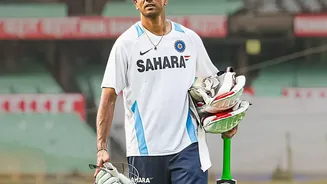
Long before he was a coach, Rahul Dravid was “The Wall,” a nickname earned for his unshakable defence and immense powers of concentration. In an era of explosive, flashy stroke-makers, Dravid was the anchor, the man who would bat for hours, grinding down
opposition bowlers and providing the stability the team desperately needed. His Test debut at Lord's in 1996, where he scored a masterful 95, was an early sign of the temperament that would define his career. But it was in hostile overseas conditions that his reputation was truly forged. On a disastrous tour of South Africa in 1996-97, where the Indian batting line-up crumbled against a fierce pace attack, a young Dravid stood tall, scoring his maiden Test century and showing a resilience his teammates lacked. This became a recurring theme: when the chips were down and wickets were tumbling, Dravid was the man you could count on to blunt the attack and stand firm.
Architect of Historic Victories
Dravid wasn't just a defensive player; he was the architect of some of India’s most famous victories. His incredible 233 against Australia in Adelaide in 2003, followed by an unbeaten 72 in the run chase, secured a historic Test win for India on Australian soil after more than two decades. This innings was a masterclass in determination, coming after Australia had posted a mammoth 556. Just two years earlier, his partnership of 376 with VVS Laxman against the same opposition in Kolkata is the stuff of legend. Facing an innings defeat, Dravid's epic 180 helped India script one of the greatest comebacks in Test history. Time and again, from Rawalpindi to the West Indies, he played pivotal, match-defining innings that turned the tide in India's favour, cementing his status as Mr. Dependable.
The Selfless Team Player
His 'crisis man' tag wasn't just about his batting. Dravid consistently put the team's needs above his own. He took up wicket-keeping in the ODI side to improve the team's balance, a physically demanding role he wasn't specialist in but performed with diligence. He also stepped up to open the batting when required, most notably during the 2011 tour of England, where he was the lone warrior, scoring three centuries while the rest of the batting order failed. He even took on the captaincy during a turbulent period for Indian cricket. Though his captaincy tenure had its highs and lows, including the painful group-stage exit from the 2007 World Cup, it also saw India achieve historic Test series wins in England and the West Indies for the first time in decades. Every role was accepted without complaint, for the greater good of the team.
Building the Future Brick by Brick
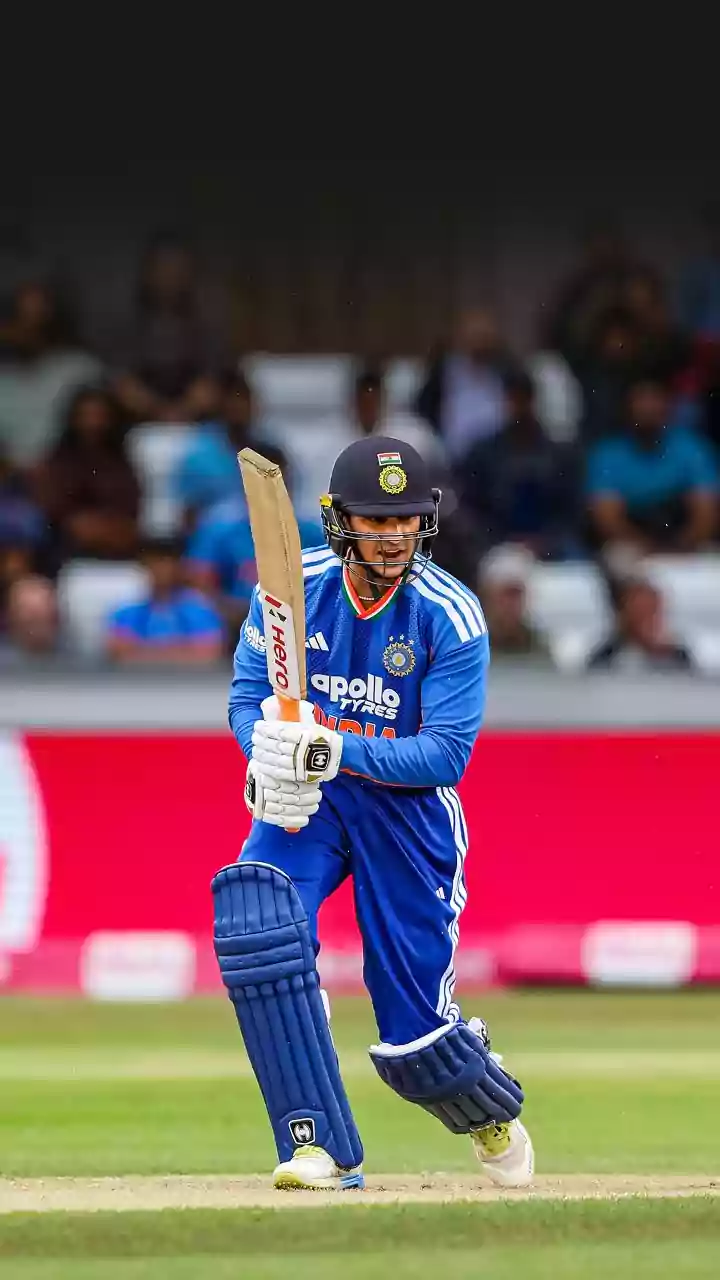
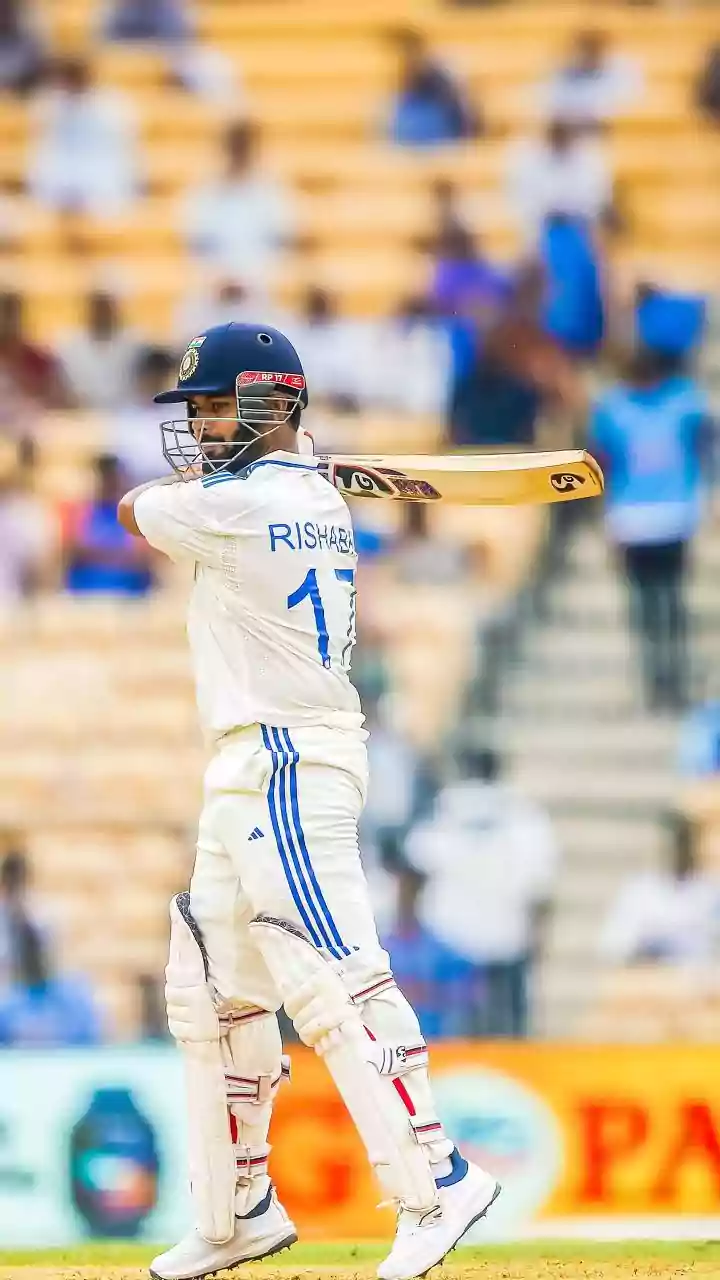
After retiring, Dravid’s role as a crisis manager evolved. Instead of saving matches, he began safeguarding the future of Indian cricket. As the head coach for the India U-19 and India A teams, he chose to build a robust supply chain of talent. Under his mentorship, a new generation of players like Shubman Gill, Rishabh Pant, and Prithvi Shaw were groomed not just in skill but in temperament. He guided the U-19 team to a World Cup victory in 2018, but his focus was always on the bigger picture: creating a seamless transition for young players into the senior team. His subsequent role as the Head of Cricket at the National Cricket Academy (NCA) further institutionalized this process, ensuring a steady pipeline of players ready for the rigours of international cricket.
The Natural Choice to Steer the Ship
When the senior men's team needed a new direction after Ravi Shastri's tenure, the BCCI turned to the one man everyone trusted. In November 2021, Rahul Dravid was appointed head coach, a role many felt he was destined for. It was seen as a move to bring back a culture of quiet dedication and meticulous preparation. Having already worked with most of the young players in the U-19 and India A setups, he was uniquely positioned to guide the team through a transitional phase. His tenure culminated in a historic T20 World Cup victory in 2024, a fitting end to a coaching career that, like his playing days, was about bringing stability and achieving success when it mattered most.