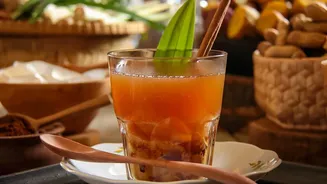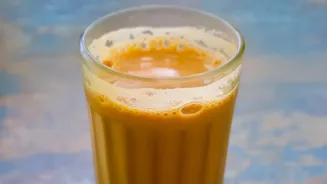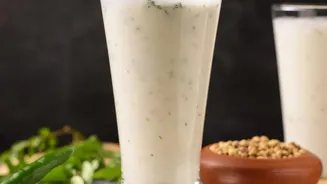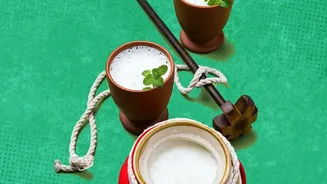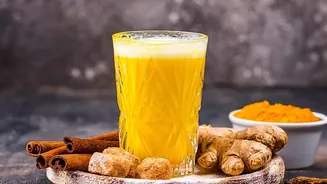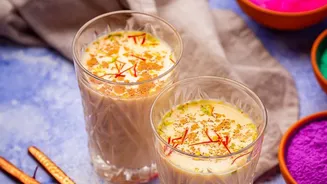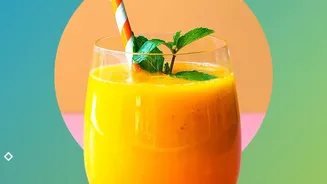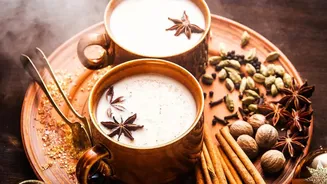

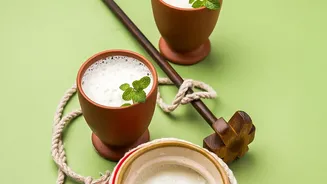
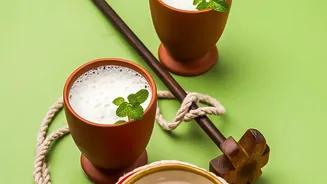
Picture a festive party scene in urban India. The tables are laden with delicacies, but look closer at the glasses. Instead of the usual colas and cocktails, you see earthy, colourful drinks being served. This is the new festive reality.
A Refreshing Change in the Festive Menu
At festive gatherings
across India's cities, a quiet revolution is taking place. Traditional beverages like aam panna, jaljeera, sattu sharbat, and kokum are making a major comeback, replacing commercially produced soft drinks and even alcoholic cocktails as the preferred welcome drink. This isn't just about a handful of households; it's a growing trend reflecting a larger shift in consumer behaviour. For decades, homemade drinks hydrated Indians through scorching summers and marked special occasions. Now, after a period of being overshadowed by bottled beverages, these age-old recipes are finding renewed relevance, moving from home kitchens to trendy cafe menus and festive catering lists.
The Undeniable Pull of Health and Wellness
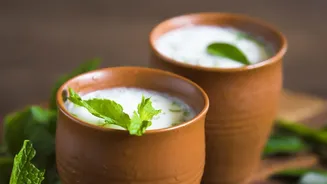
The primary driver behind this shift is a collective move towards health consciousness. Urban Indians are increasingly aware of what they consume, and the empty calories and high sugar content of processed drinks are losing their appeal. Traditional drinks, rooted in Ayurvedic wisdom, offer a compelling alternative. Take aam panna, made from raw mangoes; it's a powerhouse of vitamins C, A, and B, and rich in minerals like potassium and magnesium that help fight dehydration and fatigue. Similarly, jaljeera is a low-calorie digestive aid packed with antioxidants that can boost metabolism, while buttermilk, or chaas, is a natural probiotic that soothes the stomach after a heavy festive meal. These drinks are not just hydrating; they are functional, offering benefits like improved digestion, better immunity, and sustained energy without the sugar crash.
Nostalgia in a Glass
Beyond the health benefits, these drinks serve a potent dose of nostalgia. For many, the taste of thandai during Holi or a tangy aam panna in summer is deeply intertwined with childhood memories and family traditions. In an increasingly globalised world, there is a strong cultural movement to reclaim and celebrate indigenous identity, and food is a central part of that. Choosing a traditional drink over a multinational brand is a small but significant way of connecting with one's heritage. These beverages are more than just refreshments; they are symbols of cultural continuity, hospitality, and the distinct flavours that have defined Indian festivities for centuries.
The Sober-Curious and Mindful Drinker
This trend also aligns perfectly with the growing 'sober curious' movement, especially among younger urban crowds. Sober curiosity isn’t about complete abstinence but about mindful drinking—choosing when and if to consume alcohol. Many Gen Z and millennial consumers are prioritising wellness and seeking sophisticated non-alcoholic options that feel more special than a simple juice or soda. Traditional drinks provide a perfect solution. They are complex in flavour, visually appealing, and allow everyone to feel included in the celebratory ritual of raising a glass without the associated health risks or the next day hangover. This has created a booming market for non alcoholic beverages in India, with traditional formulations leading the charge.
The revival is not just about sticking to old recipes. A key reason for their growing popularity is creative adaptation. Bartenders and home mixologists are using these traditional drinks as a base for innovative mocktails. Think of a clarified nimbu soda highball, a jaljeera infused tonic, or a kokum cooler with a hint of chili. Social media has played a huge role, with food bloggers showcasing beautiful and inventive ways to serve these drinks, encouraging a new generation to experiment. This modern spin makes the drinks feel both familiar and exciting, fitting perfectly into the contemporary urban lifestyle while honouring their traditional roots.