







The High Price of Polluted Air
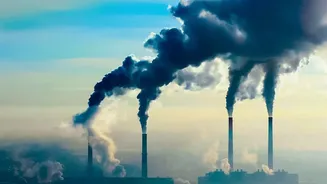
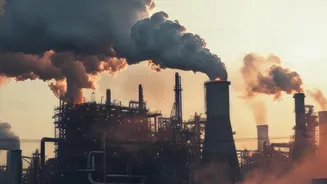
Air pollution is more than just an environmental issue; it is a direct constraint on India's economic growth. Several recent reports have quantified this impact in startling terms. According to a joint report by FICCI and EY, air pollution could cost
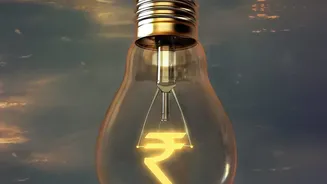
India up to 9.5% of its GDP annually. This figure encompasses a wide range of economic drains, from direct healthcare expenditure to lost output from premature deaths. Another analysis by Dalberg Advisors for the Clean Air Fund estimated that Indian businesses lose around $95 billion annually, which is about 3% of the country's GDP, due to the effects of polluted air. These massive figures highlight that the air we breathe is intrinsically linked to the nation's economic health, affecting everything from individual earnings to national output.
Productivity Takes a Direct Hit
The most direct impact on the economy is felt through its workforce. Poor air quality affects worker productivity in two significant ways: absenteeism and presenteeism. Pollution-related illnesses lead to a staggering 1.3 billion lost working days in India each year. This absenteeism results in billions of dollars in lost revenue for businesses. Perhaps even more damaging is presenteeism, where employees show up for work but are not able to perform at their full capacity. Studies have shown that even short-term exposure to fine particulate matter (PM2.5) can impair cognitive functions like concentration, attention, and memory. This 'brain fog' can reduce worker efficiency by 8% to 10% on days with high pollution, directly impacting output in sectors that rely on skilled labour and mental focus, such as the IT industry.
Impact Across All Sectors
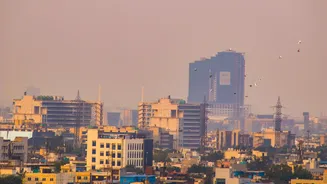
No sector is immune to the economic fallout of air pollution. Outdoor workers in fields like construction and agriculture are physically hampered by breathing difficulties and fatigue, leading to direct losses in manual output. Emergency measures, such as construction bans during peak pollution periods in regions like Delhi-NCR, can affect hundreds of thousands of daily-wage workers and stall associated supply chains. Meanwhile, consumer-facing sectors also suffer. When air quality is hazardous, people stay indoors, reducing footfall in retail stores and restaurants. Even the technology sector is not spared; high pollution levels can degrade sensitive electronic equipment faster, and IT professionals suffer from the same cognitive decline as other office workers, with one report estimating a loss of $1.3 billion annually for the sector due to this reason alone.
The Soaring Cost of Healthcare
The health consequences of air pollution—such as respiratory illnesses, heart disease, and strokes—translate into direct and escalating economic costs. These costs are borne by households, businesses through health insurance, and the government's public health system. Lost output from premature deaths and illnesses caused by air pollution cost India an estimated $36.8 billion in 2019, equivalent to 1.36% of the country's GDP that year. This figure alone is more than a third of what the nation spends on healthcare annually. The financial burden includes everything from hospitalisation and emergency treatment to long-term medication, diverting funds that could otherwise be used for investment and growth.
A Drag on National Ambitions
On a macroeconomic scale, the cumulative effect of reduced productivity, increased health spending, and premature mortality acts as a significant drag on India's growth ambitions. The World Bank has stated that these combined losses hamper the country's development. Some analyses have found that a rise in PM2.5 exposure can lower a district's year-on-year GDP growth by a tangible margin. This impediment to growth could jeopardize India's aspiration to become a $5 trillion economy. However, this challenge also presents an opportunity. Reports suggest that investing in clean air solutions is not a cost but a driver of growth. One analysis estimated that reducing PM2.5 levels by just 20% could unlock a $220 billion economic opportunity by 2030 through productivity gains and new jobs in green industries.