







Understanding Your Refrigerator’s Climate Zones
A refrigerator is not uniformly cold. It has different temperature zones, and organising it correctly involves storing foods in the zone best suited for them. The basic principle is that cold air sinks, making the bottom of the fridge the coldest, while
the door, which is frequently opened, is the warmest spot. Keeping your fridge temperature at or below 4-5°C is crucial to slow down the bacterial activity that causes food to spoil. Properly organising your shelves isn't just about tidiness; it's a strategic move to extend the life of your ingredients and prevent foodborne illnesses.
The Top Shelves: Ready-to-Eat and Leftovers
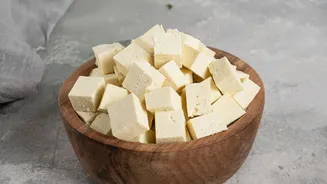
The upper shelves have the most consistent and stable temperature, though slightly warmer than the bottom. This makes them the perfect spot for foods that don't need cooking or are already cooked. Think of storing leftover dal and sabzi, containers of dahi, paneer, and ready-to-eat snacks here. Keeping these foods covered in airtight containers prevents them from absorbing smells from other items and maintains their freshness. Storing ready-to-eat items high up also minimises the risk of raw food juices dripping onto them.
The Bottom Shelf: The Coldest and Safest Zone
The lowest shelf is the coldest part of your fridge, making it the ideal location for your most perishable raw items. This is where you should store raw meat, poultry, and fish. In an Indian kitchen, this means it's the best place for that chicken marinating for tikka or the fresh fish for a weekend curry. Always store these items in sealed containers or on a tray to prevent any juices, which could contain harmful bacteria, from dripping onto and contaminating other foods. This simple step is one of the most important for ensuring food safety in your kitchen.
The Crisper Drawers: For Your Sabzi Mandi
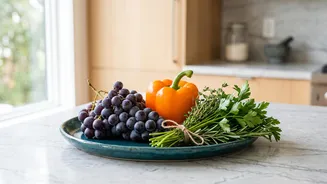
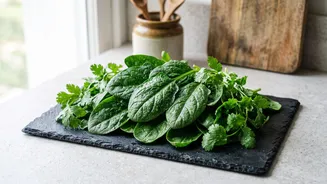
Those drawers at the bottom are more than just bins; they are designed to maintain a different humidity level from the rest of the fridge. This is your dedicated space for fresh vegetables and some fruits. For the modern Indian kitchen, this means storing your bhindi, carrots, beans, and capsicum. To keep leafy greens like palak, methi, and especially coriander fresh for longer, wrap them in a paper towel before placing them in a bag or container. This absorbs excess moisture and prevents them from wilting quickly.
The Door: Only for the Unfussy
The refrigerator door is the warmest part of the appliance due to constant exposure to room temperature air. Therefore, you should only store items that are most resistant to spoilage here. This includes condiments like pickles, jams, ketchup, and various sauces. Many of us make the mistake of storing milk and eggs in the door for convenience, but the temperature fluctuations can make them spoil faster. Milk, eggs, and other dairy should be placed on the colder, more stable middle shelves.
Essential Habits for a Fresher Fridge
Beyond placement, a few habits can make a huge difference. First, avoid overcrowding. Cold air needs to circulate to keep food properly chilled. Use clear, airtight containers to easily see what you have and prevent strong smells, like that from ginger-garlic paste, from permeating other foods. Finally, practice the 'First-In, First-Out' (FIFO) principle: place newer items at the back and move older items to the front so you use them first, reducing waste. Regular cleaning of spills also prevents bacterial growth and odours.