



The Vegetarian's Protein Challenge
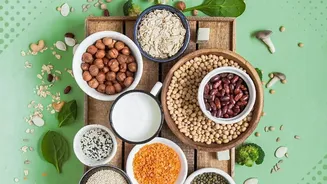
Building muscle requires protein—specifically, essential amino acids that form 'complete' proteins. While meat and eggs are complete proteins, most plant-based sources are 'incomplete,' meaning they lack one or more essential amino acids. This doesn't
mean vegetarians are at a disadvantage; it just requires a smarter approach. By combining different vegetarian foods, you can create a complete amino acid profile that gives your muscles the fuel they need to repair and grow. The idea isn't to obsessively pair foods at every single meal, but to ensure your daily diet is varied enough to cover all your bases. For active young adults, protein needs are higher, making these strategic combinations even more important.
Lentils: The Humble Powerhouse
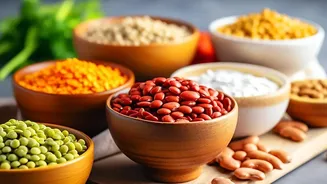
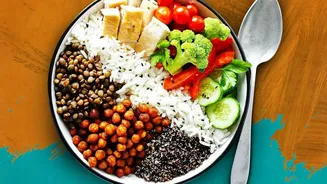
Lentils, or dal, are a cornerstone of Indian cuisine for a reason. They are an affordable and excellent source of plant-based protein, with a cooked cup providing around 18 grams. But their benefits don't stop there. Lentils are also packed with dietary fibre, which aids digestion and promotes satiety, helping you feel full longer. While lentils are low in one essential amino acid, methionine, they are high in another, lysine. This makes them the perfect candidate for pairing with other foods to complete the protein puzzle.
Paneer: The Dairy Dynamo
Paneer is a vegetarian's trump card for muscle building. A 100-gram serving can contain 18-20 grams of high-quality protein. Unlike plant proteins, paneer is a complete protein, providing all nine essential amino acids. Its primary protein is casein, which is slow-digesting. This means it releases amino acids into the body gradually over several hours, making it an ideal food for sustained muscle repair, especially when consumed after a workout or before bed to prevent muscle breakdown overnight. Its rich calcium content also supports bone health and muscle function.
Tofu: The Versatile Plant-Based Star
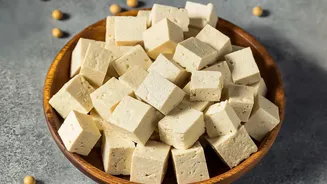
Made from soybeans, tofu is another powerhouse and, like paneer, is one of the few plant-based foods that is a complete protein. A 100-gram serving offers around 8-10 grams of protein but with significantly fewer calories and fat than paneer, making it a great option for building lean muscle. Tofu's neutral taste allows it to absorb the flavours of whatever it's cooked with, making it incredibly versatile. You can use it in curries, scrambles (bhurji), stir-fries, or even grill it, adding a solid protein boost to any meal.
The Power of Three: Why They Work Together
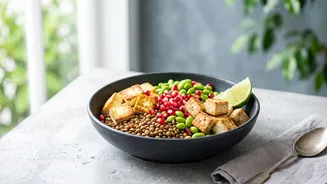
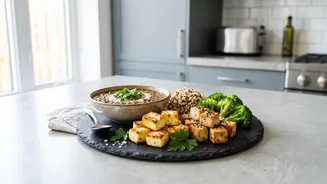
Combining lentils, paneer, and tofu creates a nutritional synergy that is hard to beat. The lentils complement the amino acid profiles of soy (tofu), ensuring you get a full spectrum of plant-based amino acids. Paneer then adds its slow-release casein protein to the mix, providing sustained muscle nourishment. This trio gives you both fast- and slow-acting proteins. Tofu provides a readily available complete protein, lentils offer fibre and complementary amino acids, and paneer delivers a steady supply for long-term recovery. Together, they cover all your bases for muscle synthesis, repair, and growth.
Putting It on Your Plate: Daily Meal Ideas
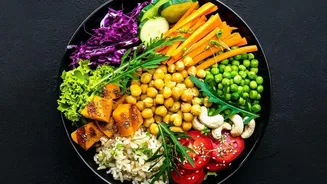
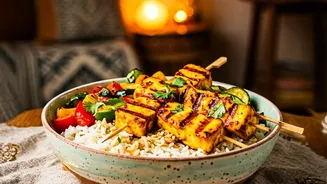
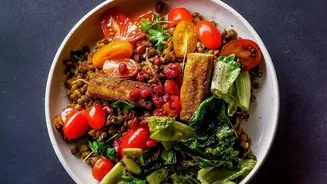
Integrating these three foods into your diet is simple and delicious. For breakfast, a paneer or tofu bhurji with a side of moong dal chilla provides a fantastic protein start. At lunch, a mixed vegetable curry featuring cubes of paneer and tofu, served with a bowl of dal and roti, makes for a balanced and powerful meal. For dinner, consider a lentil and tofu curry, or a nutritious pulao made with brown rice, vegetables, soya chunks (a great alternative), and cubes of paneer. Even snacks can be protein-packed; grilled paneer or tofu tikka is a great option to fuel your muscles between meals.