




A Ritual of Rain and Fire
It’s a scene etched into the collective memory of urban India: a street corner, a makeshift cart, and a bhutta-wallah skillfully fanning hot coals. The air fills with the crackle of burning embers and the sweet, smoky aroma of charring corn. This isn't
just about buying a snack; it's a cherished ritual. Waiting under an umbrella or a shop awning, watching the kernels blacken in spots, and the final, generous swipe of lemon and spices is an experience in itself. For many, the sight and smell are intrinsically linked to the monsoon, a comforting tradition that signals a break from the heat and a return to simple pleasures. The warmth of the freshly roasted cob against your palms is the perfect antidote to a cool, rainy evening.
A Symphony of Simple Flavors
The magic of bhutta lies in its simplicity. It’s a masterful combination of four key elements: the sweetness of the corn, the smokiness from the charcoal, the sharp tang of lime juice, and the savory heat from a spice mix. This mix typically includes black salt (kala namak), red chili powder, and sometimes chaat masala or dry mango powder (amchur). Each bite is a complex burst of flavor that awakens the palate. The process is a performance: once roasted, the vendor expertly rubs a half-cut lime dipped in the spice blend across the hot kernels, ensuring every nook is seasoned. This combination of taste and texture—tender yet slightly chewy kernels bursting with flavor—is what makes it so incredibly satisfying.
The Seasonal Connection
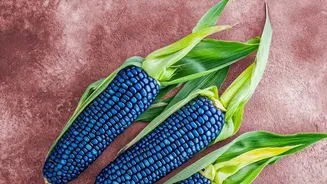
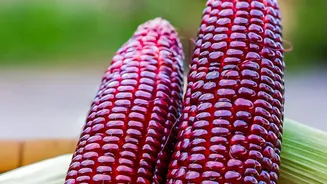
There's a practical reason bhutta is synonymous with the monsoon. Corn is a summer crop that is harvested during the rainy season in India, making fresh cobs plentiful, affordable, and at their peak flavor. While a sweeter, often boiled American variety is available year-round, the traditional desi bhutta, with its less sugary and more robust, starchy kernels, is what truly shines when roasted. This seasonal availability has cemented its place as a monsoon delicacy. It's a true farm-to-street snack, where the cycle of nature dictates the culinary landscape of our cities and towns during these months.
A Healthier Street-Side Indulgence
In a world of deep-fried street foods, bhutta stands out as a relatively healthier option. Because it is roasted or grilled, not fried, it avoids the excess oil found in snacks like pakoras or samosas. Corn itself is a whole grain, naturally rich in dietary fiber, which aids digestion. It also contains essential nutrients like B vitamins, magnesium, and antioxidants such as lutein and zeaxanthin, which are beneficial for eye health. While it's still a source of carbohydrates for energy, choosing a classic roasted bhutta over more processed snacks is a guilt-free indulgence that delivers both flavor and nourishment.
An Enduring Cultural Icon
The history of corn in India is debated, with some evidence suggesting its presence long before Portuguese traders supposedly introduced it in the 16th or 17th century. Regardless of its origins, the masala bhutta is a uniquely Indian invention. It has woven itself into the fabric of daily life, from city streets to hill stations, representing a shared cultural experience. It's a snack that cuts across all demographics—an affordable, democratic pleasure. In an era of global food trends and complex culinary creations, the bhutta’s charm is its unwavering simplicity. It’s more than just corn; it’s a taste of home, a trigger for nostalgia, and a delicious reminder that the best things in life are often the simplest.