



A Fragile Paradise Under Pressure
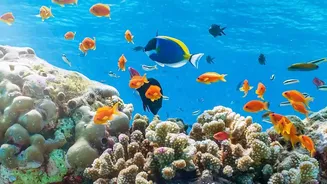
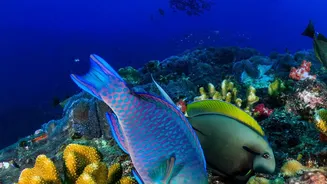
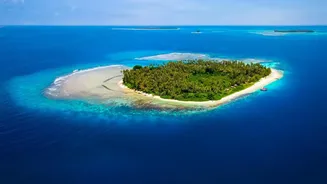
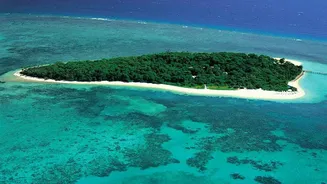
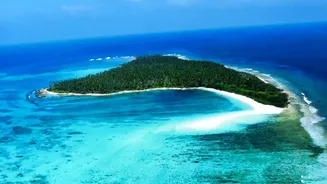
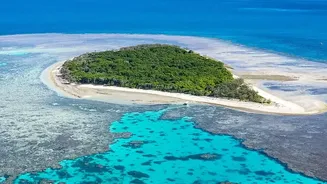
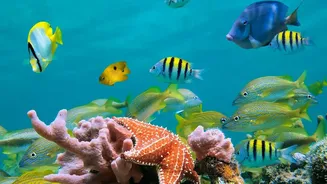
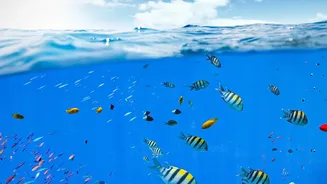
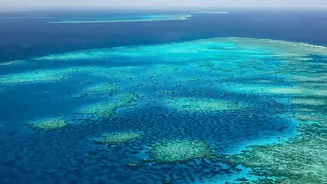
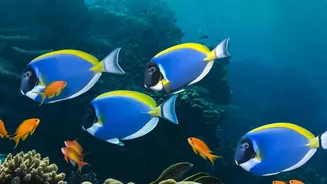
Lakshadweep is not just a collection of beautiful islands; it is India’s only coral atoll archipelago. This unique ecosystem, teeming with marine life, is incredibly sensitive. Rising sea temperatures have led to devastating coral bleaching events, while
plastic pollution and waste from fishing and tourism pose a constant threat to its pristine environment. For years, the challenge has been to balance the economic benefits of tourism with the urgent need for conservation. Unlike mainland destinations, every resource is finite here, from fresh water to the land itself, making sustainable management a matter of survival for the islands.
The Foundation: Protection First
Lakshadweep’s strategy for sustainability isn't based on a single new rule, but a deep-rooted commitment to conservation. A landmark step was taken in 2020 with the designation of three new, massive Marine Protected Areas (MPAs). These include India's largest marine conservation reserve and its very first protected area for seabirds, covering a significant portion of the archipelago’s waters. This move provides a legal and ecological backbone for all tourism activities. By cordoning off huge areas for conservation, the administration sent a clear message: the health of the marine ecosystem is non-negotiable. This 'protection-first' approach is the bedrock of its tourism model.
Controlled Access: Quality over Quantity
The most visible part of Lakshadweep’s strategy is its strict control over who can visit. A mandatory entry permit has long been required for all non-islanders, a system that effectively limits the total number of tourists and prevents the overcrowding that plagues other destinations. In 2026, the administration streamlined this process by removing the need for a local sponsor and a police clearance certificate, which were major hurdles for independent travellers. This wasn’t about opening the floodgates. Instead, it was a strategic shift to make it easier for genuine, responsible tourists to visit while maintaining absolute control over numbers and security through a centralised verification system. The philosophy is clear: encourage high-value, low-impact tourism rather than mass-market volume.
On-the-Ground Rules for Responsible Travel
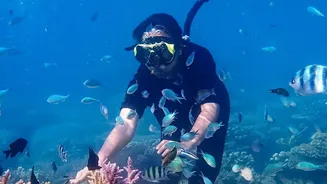
Once a tourist is approved to visit, the protocols continue. Permits are issued for specific islands, and unauthorised “island hopping” is strictly forbidden. This ensures that tourist activity is concentrated in areas equipped to handle it, leaving other islands untouched and pristine. Furthermore, transit through the main entry points of Agatti and Kavaratti is limited to a maximum of 12 hours, preventing these gateway islands from becoming congested. These rules are part of a carefully managed system that guides visitor flow, minimises environmental footprints, and ensures the tourist experience remains serene and exclusive. The Department of Environment and Forest actively monitors these fragile zones, running everything from anti-poaching patrols to beach clean-up drives.
A Blueprint for India’s Coastline?
Lakshadweep's multi-layered approach is what truly sets a new standard for marine eco-tourism in India. It is not just a list of rules but a holistic system that combines strong legal frameworks (the MPAs), strict access control (the permit system), and active on-ground management. This model offers a powerful blueprint for India's other ecologically sensitive coastal areas, from the Andaman Islands to stretches of Goa and Kerala. The key takeaway is the commitment to prioritising the environment and building a tourism economy around it, not in spite of it. By proving that conservation and a high-quality visitor experience can go hand-in-hand, Lakshadweep is demonstrating a path forward for a more sustainable travel future across the nation.